Introduction & Resources | Dictionary | Additional Forms | Organization of the Essay | Synopsis (Summary Table) | Pronunciation & Character Components | All the Real Characters

The Universal Language of John Wilkins:
Pronunciation & Character Components

This page provides a pronounciation guide and also shows the Components used to create the real characters.

In terms of pronunciation, both the phonetic system used in the Essay and the International Phonetic Alphabet (IPA) are shown. Click on a word to hear it read aloud on IPA-Reader.com, or click here to see (and hear) the full IPA chart. Note that the original text reflects educated pronunciation in late 17th century London, while this digital version uses contemporary Received Pronunciation (i.e., BBC English).

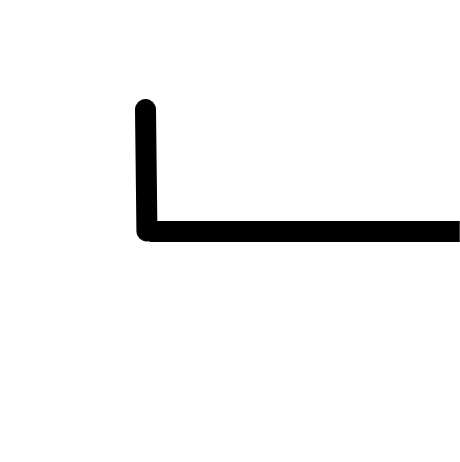
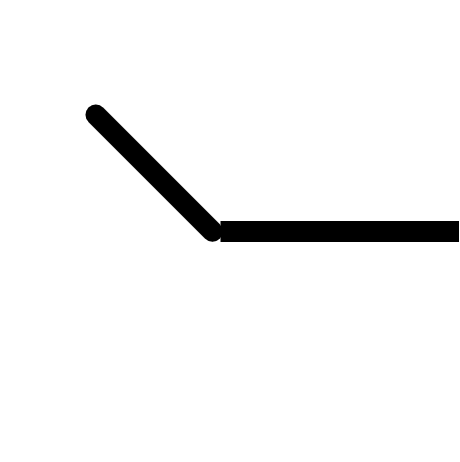
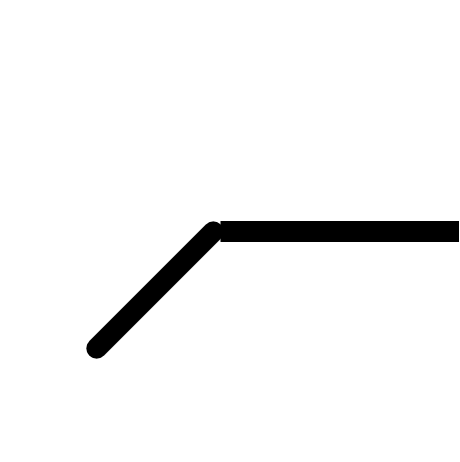
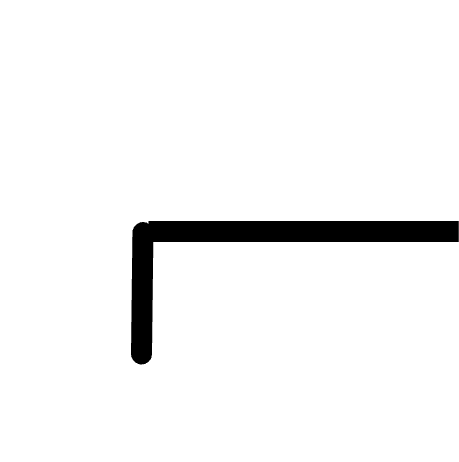
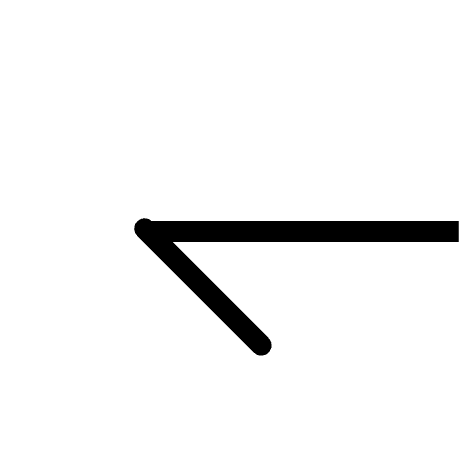
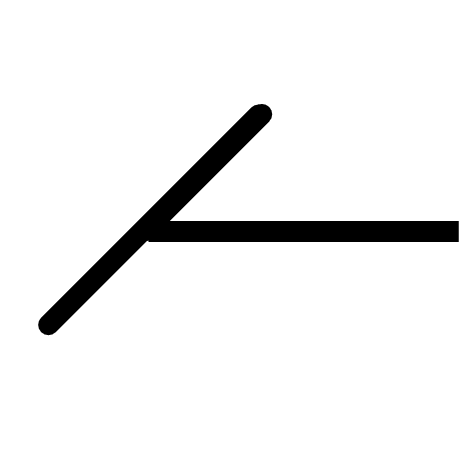
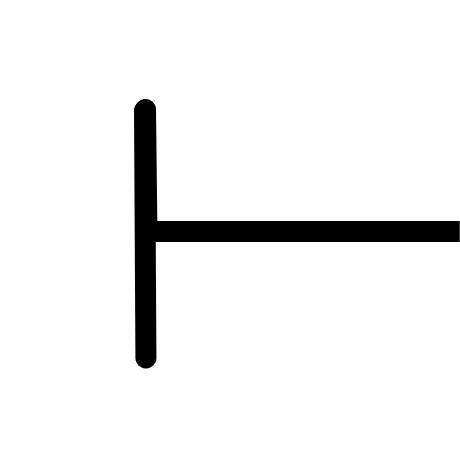
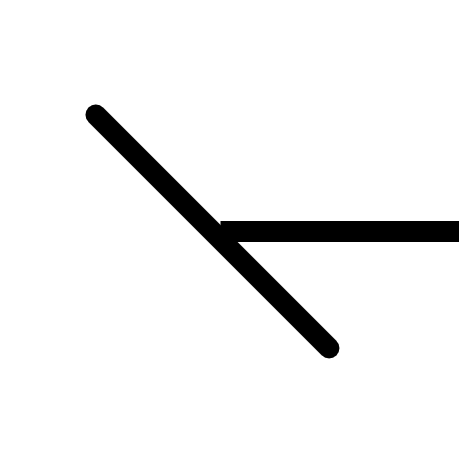
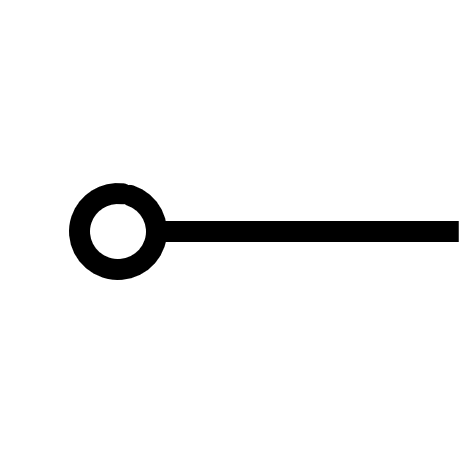
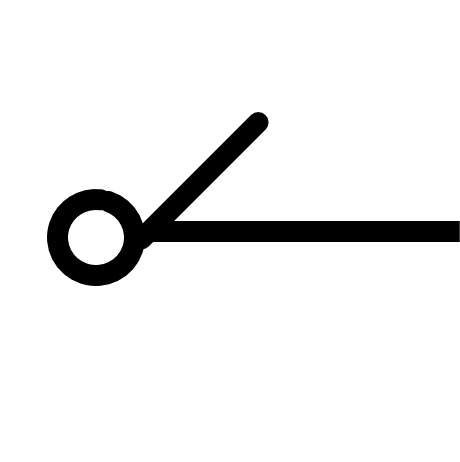
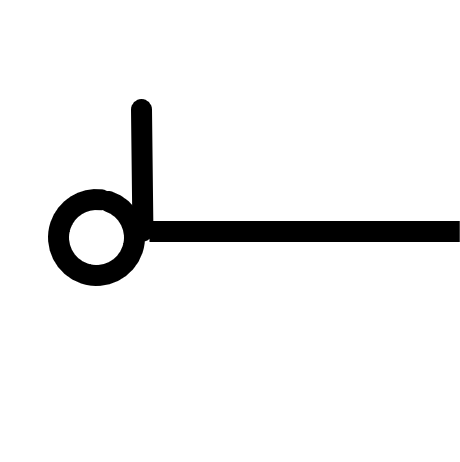
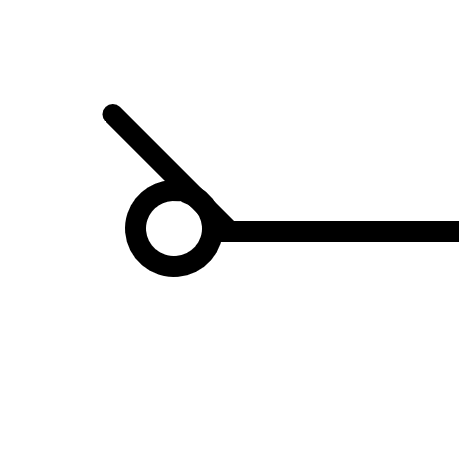
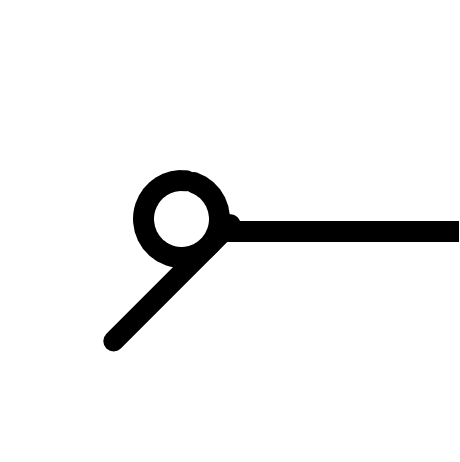
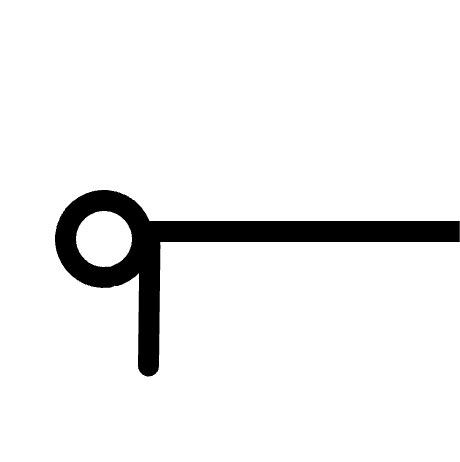
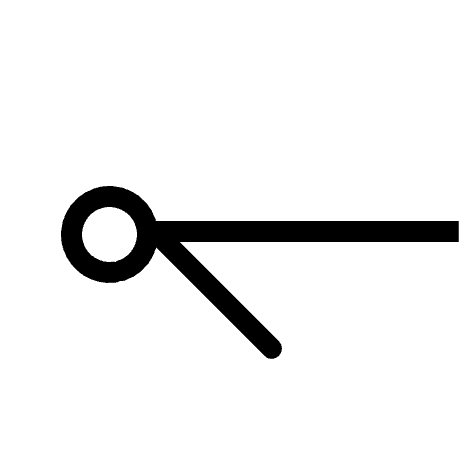
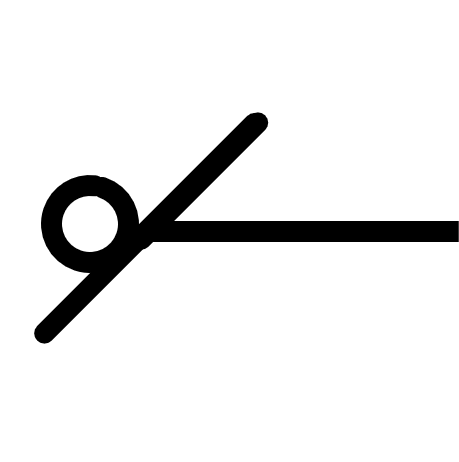
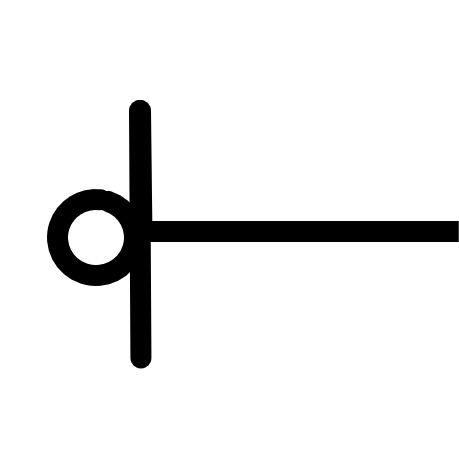
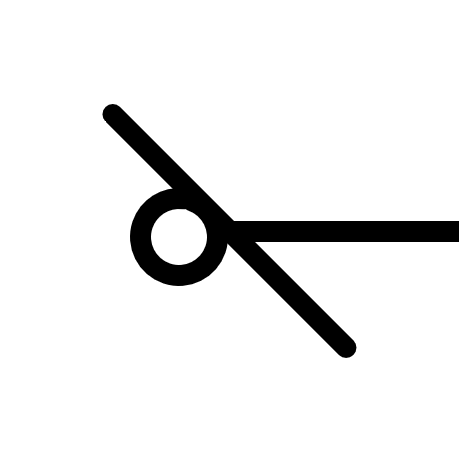
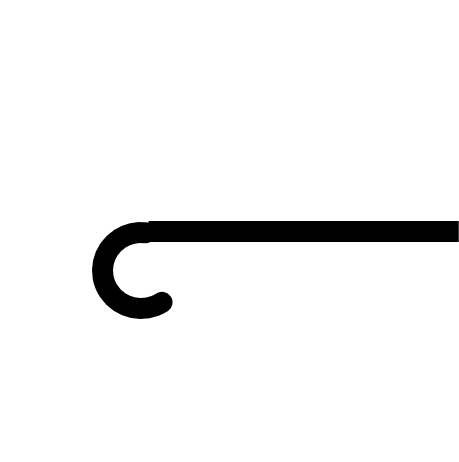
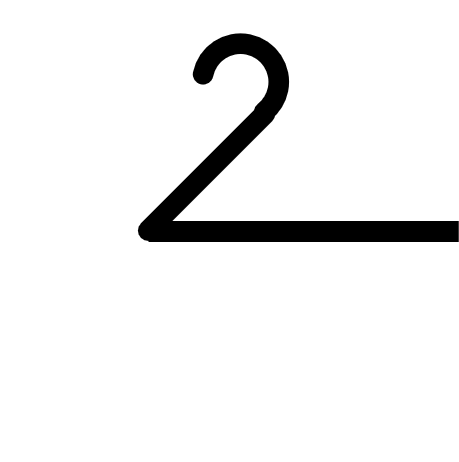
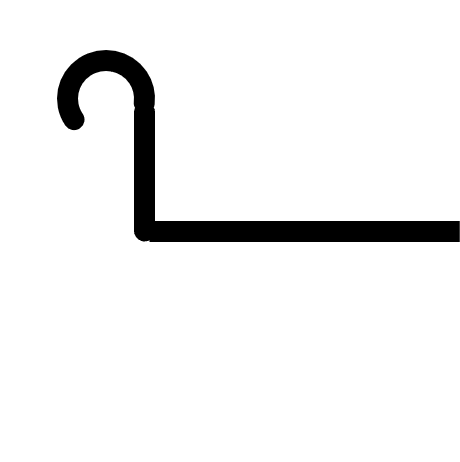
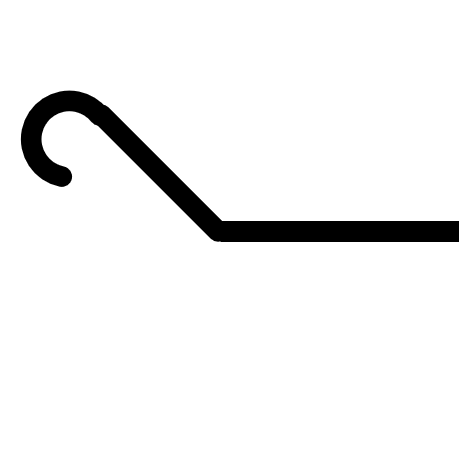
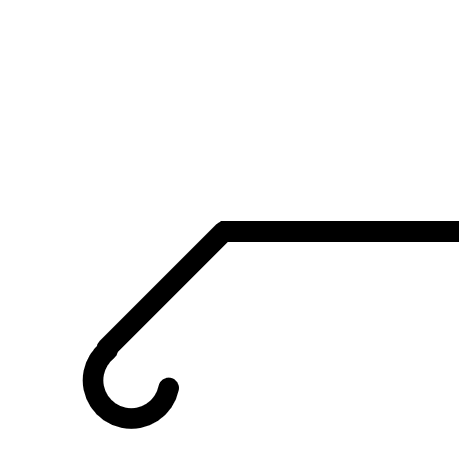
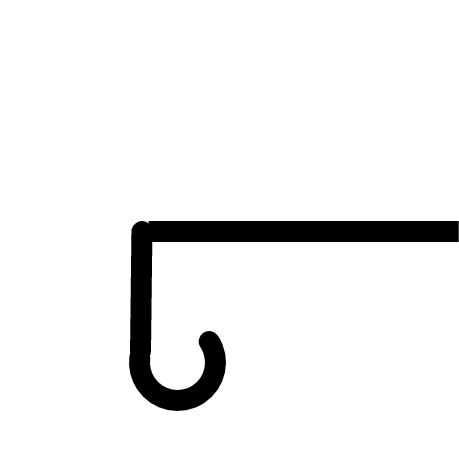
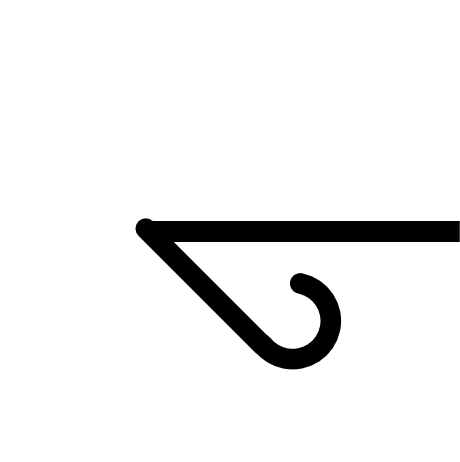
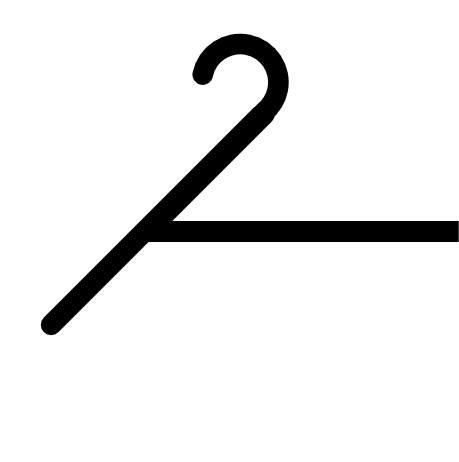
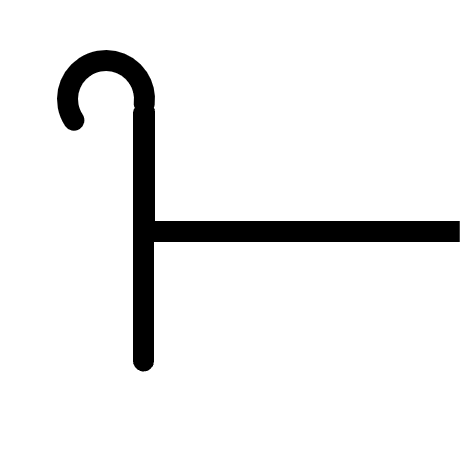
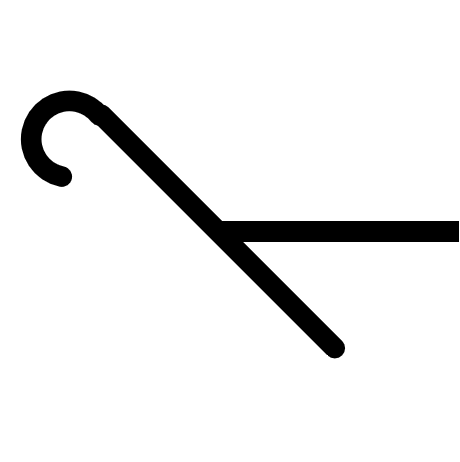
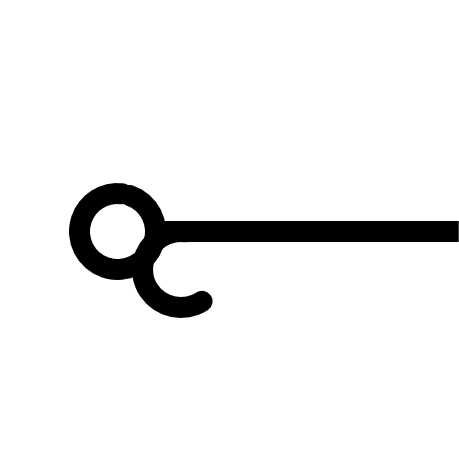
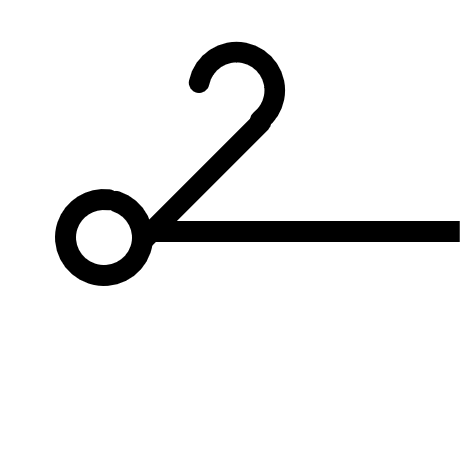
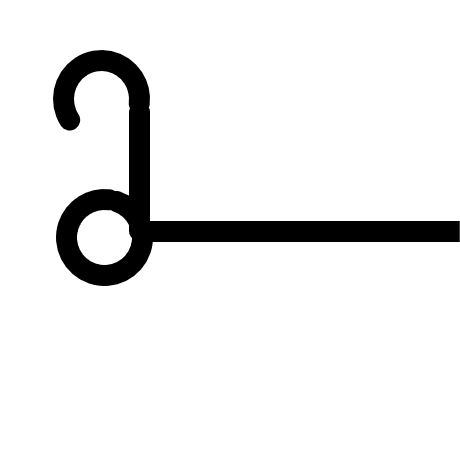
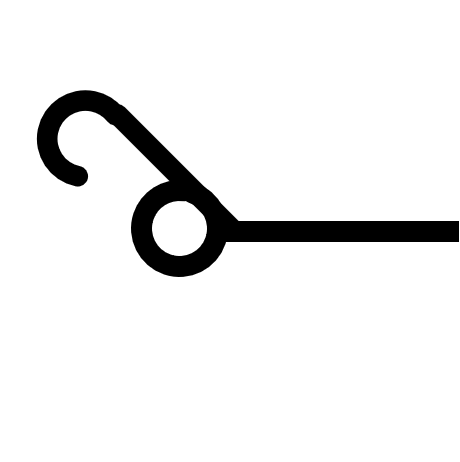
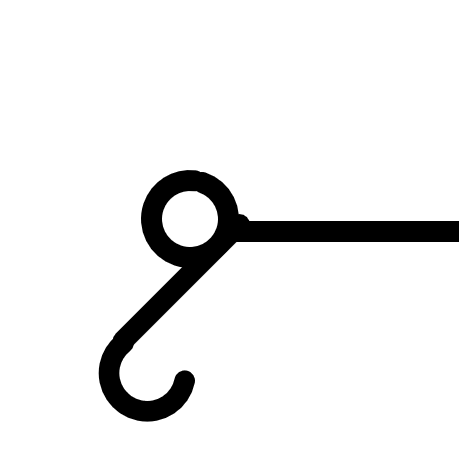
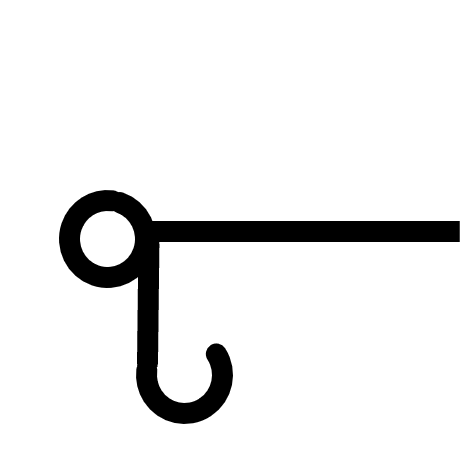
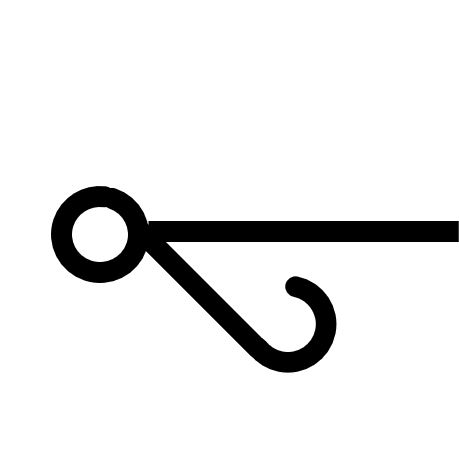
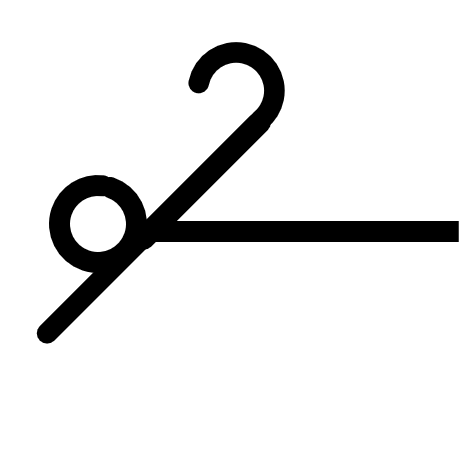
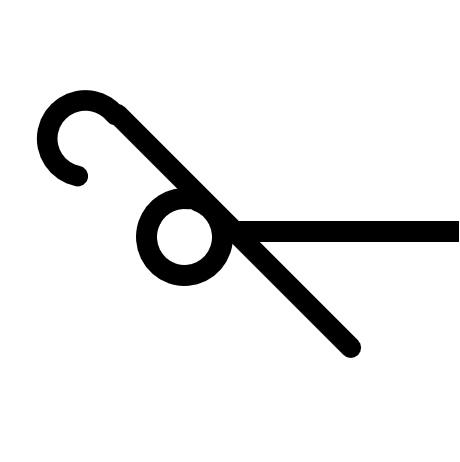
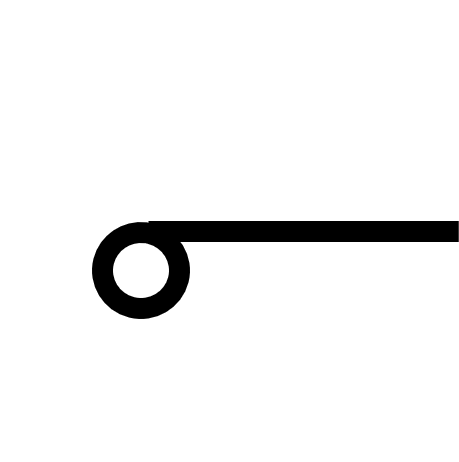
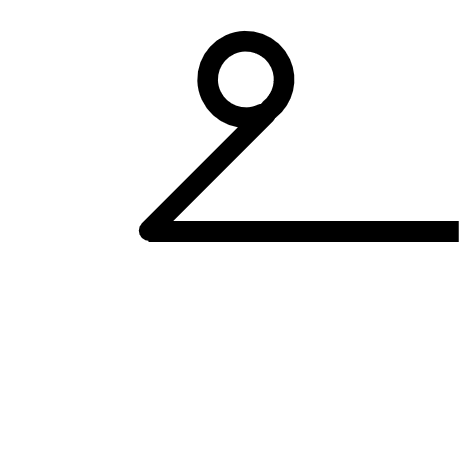
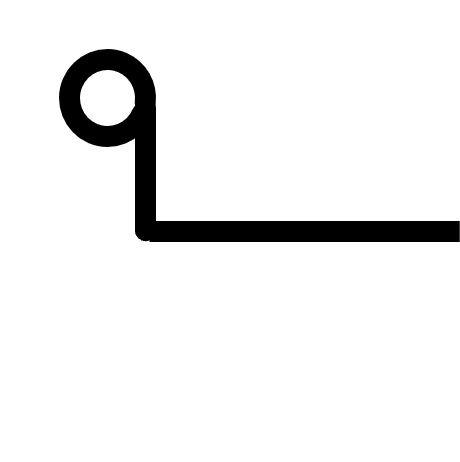
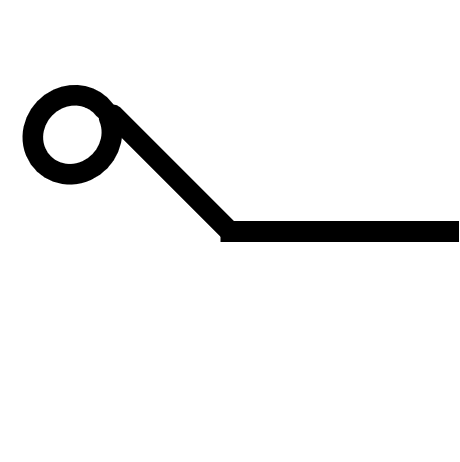
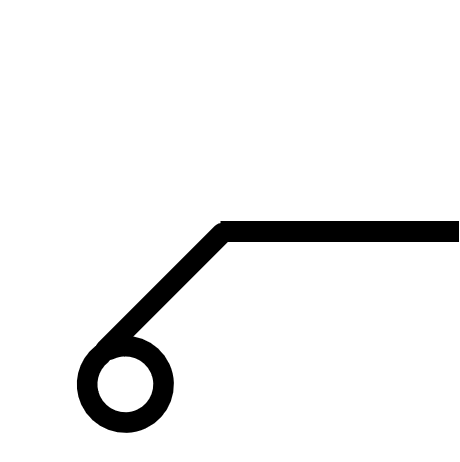
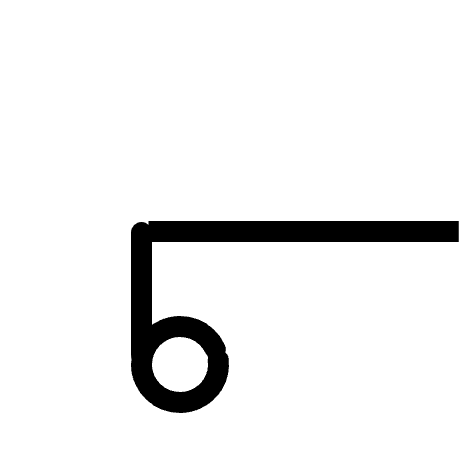
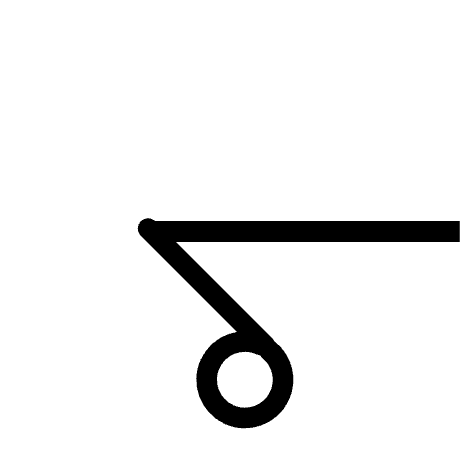
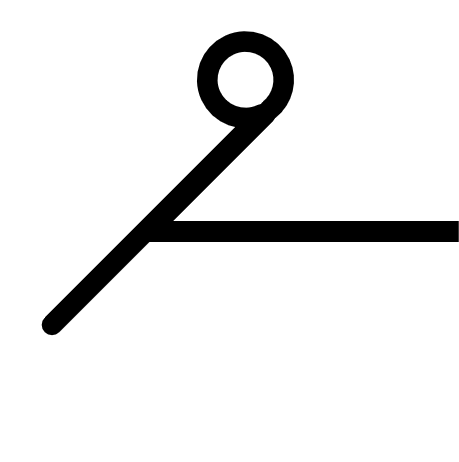
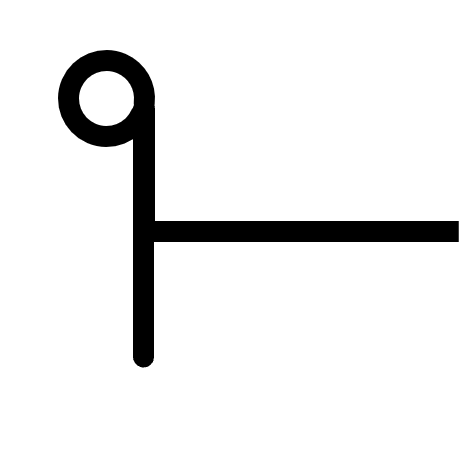
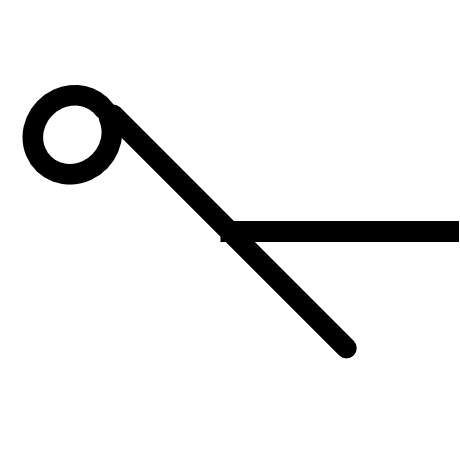
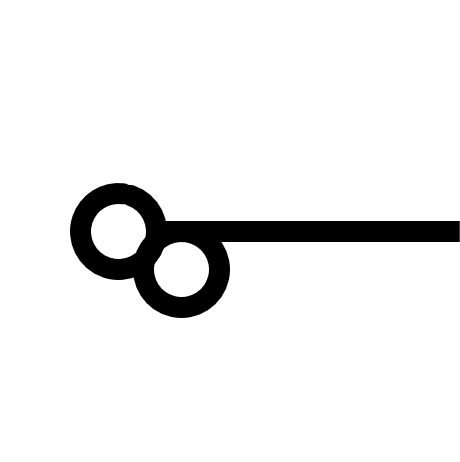
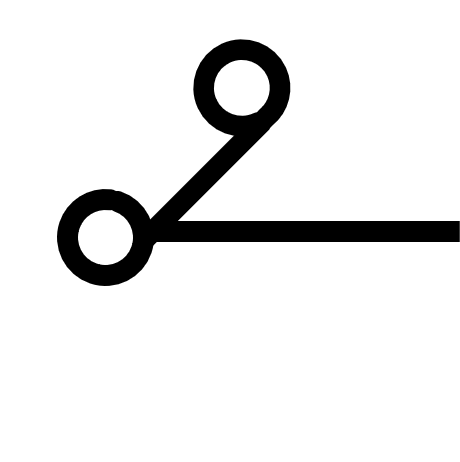
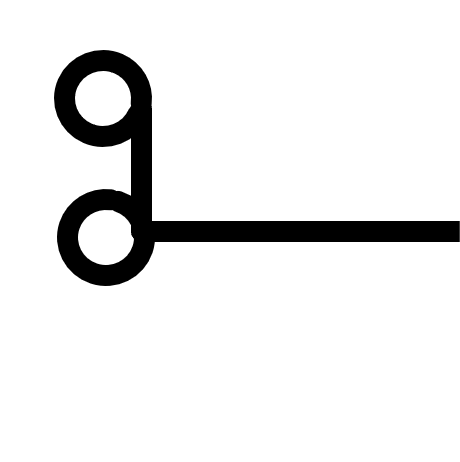
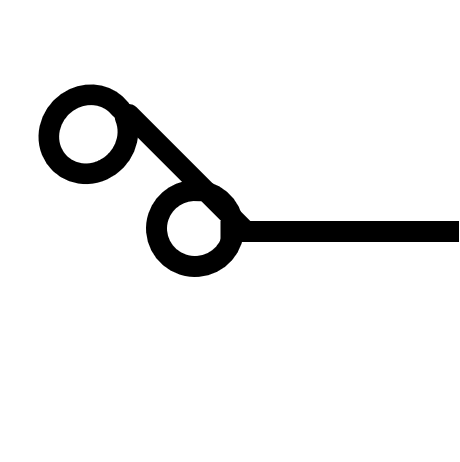
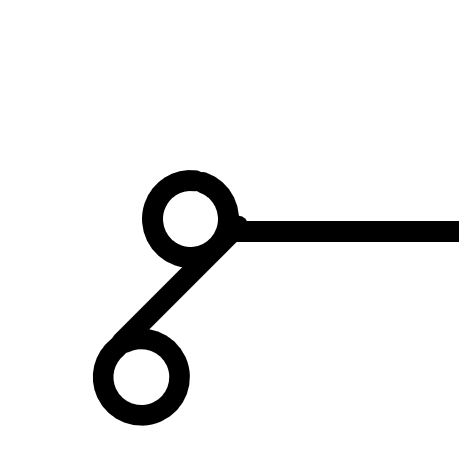
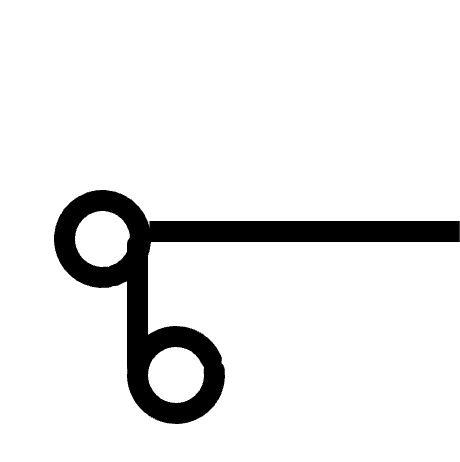
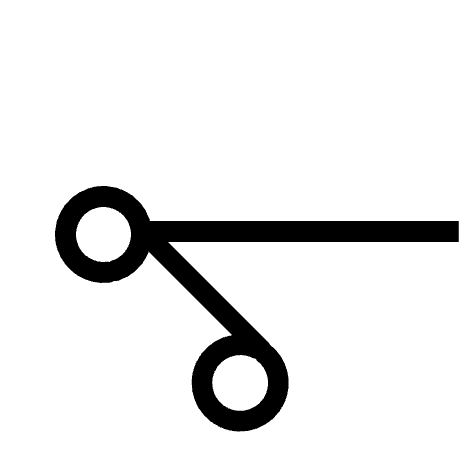
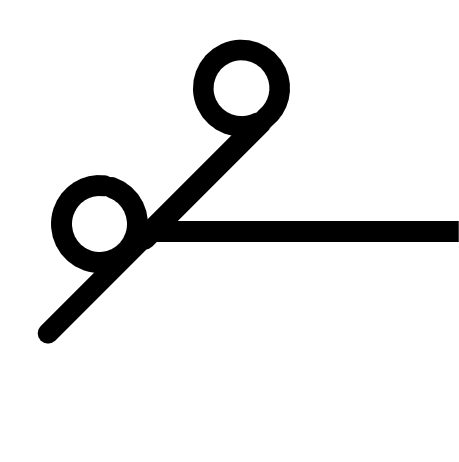
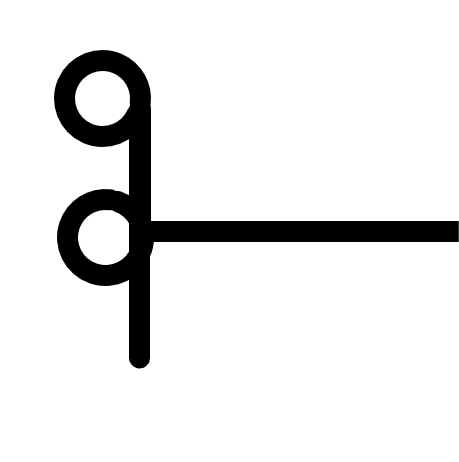
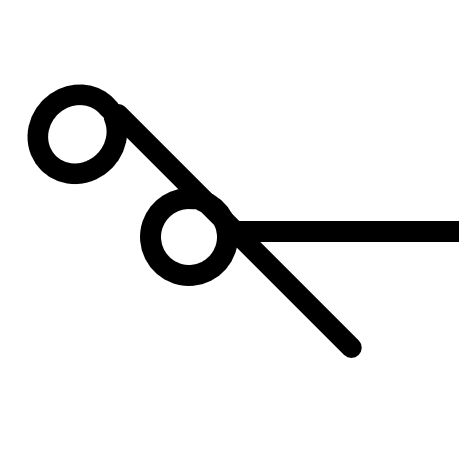
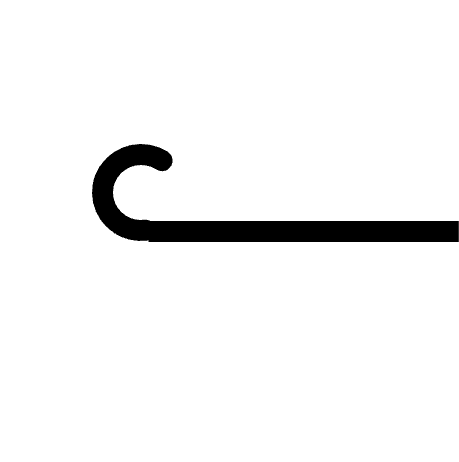
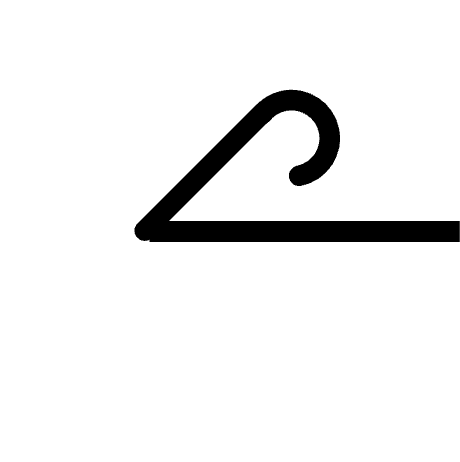
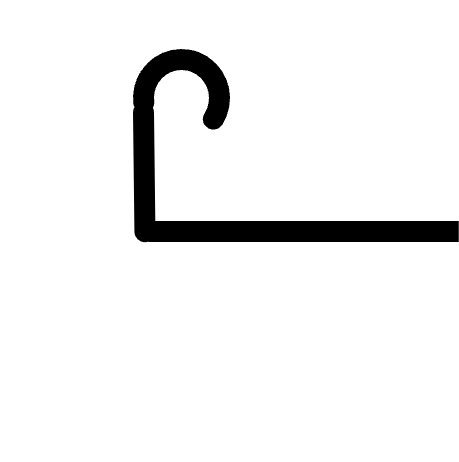
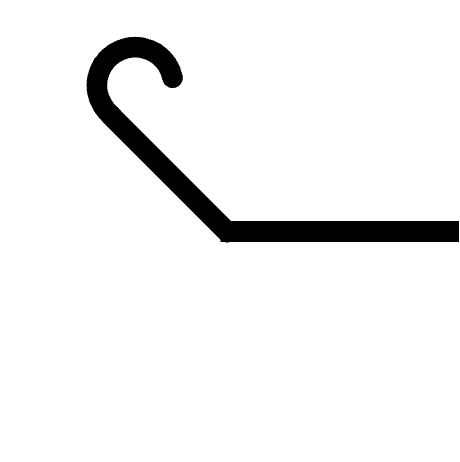
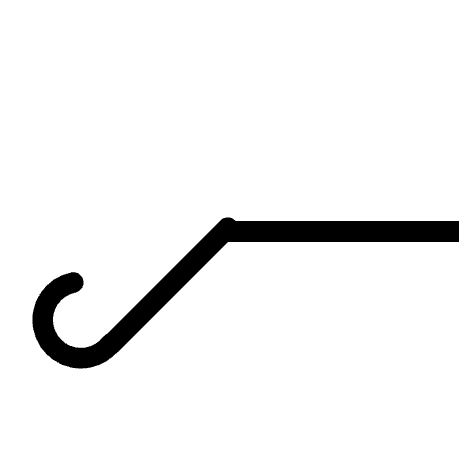
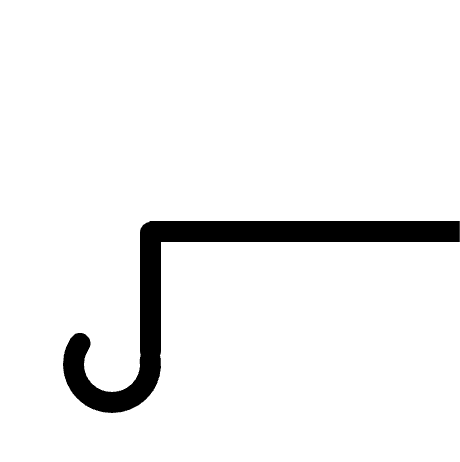
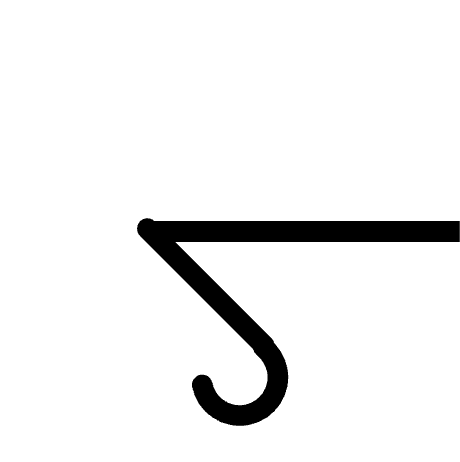
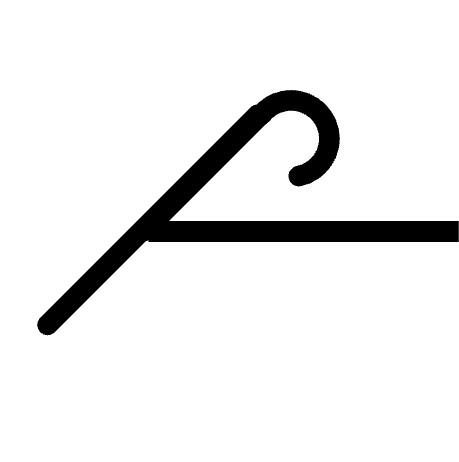
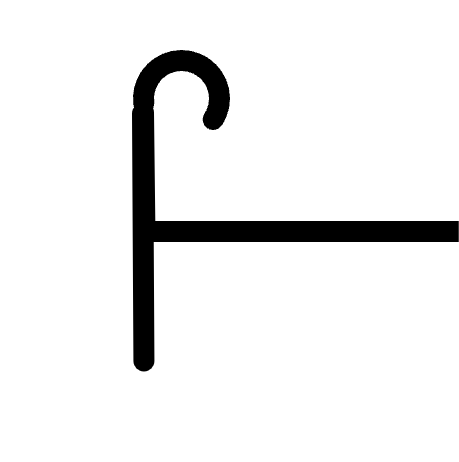
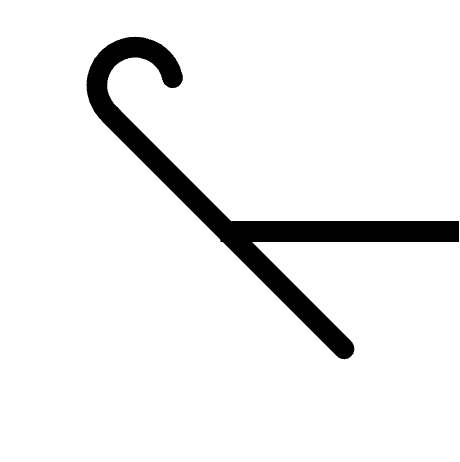
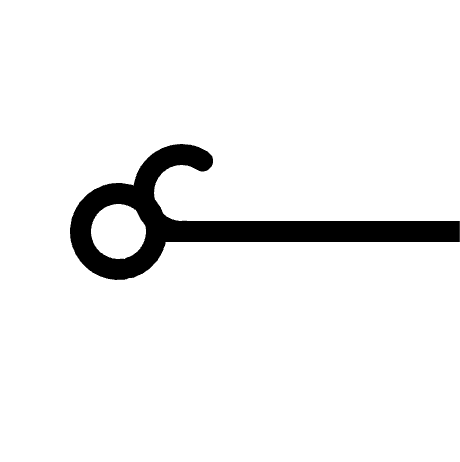
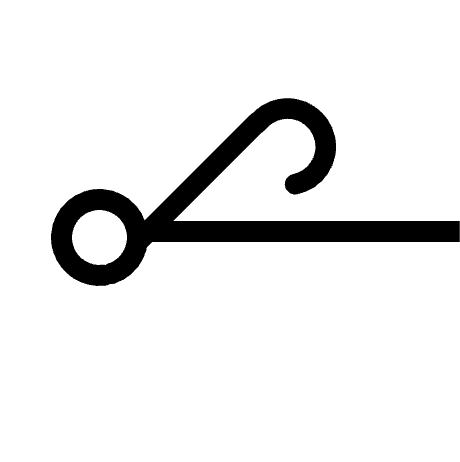
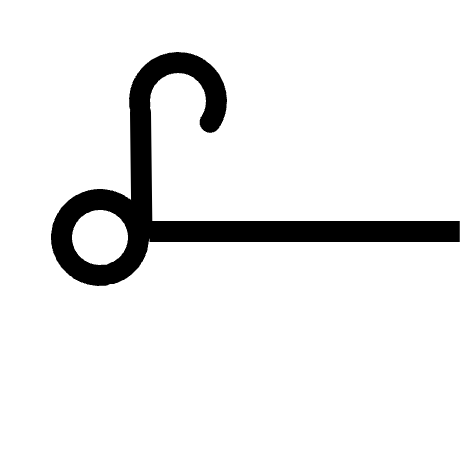
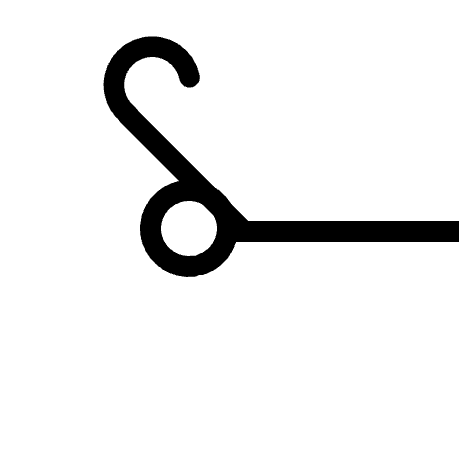
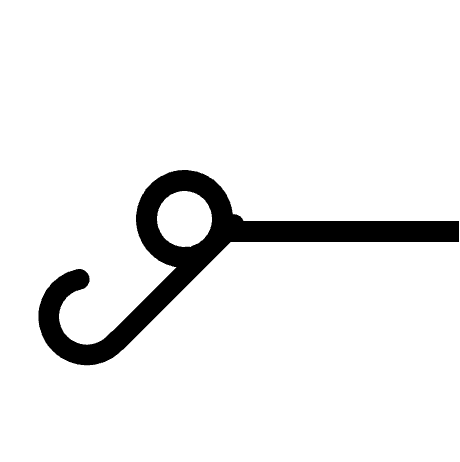
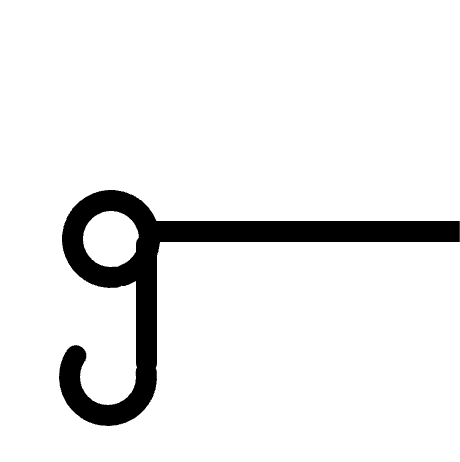
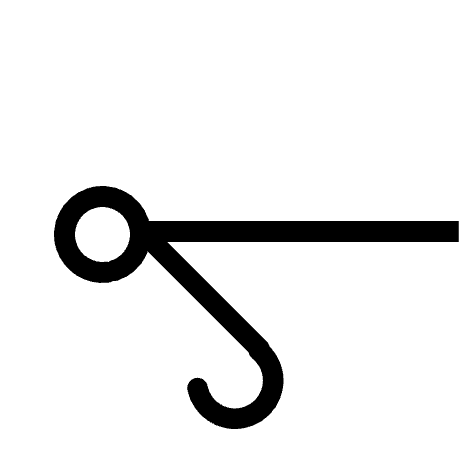
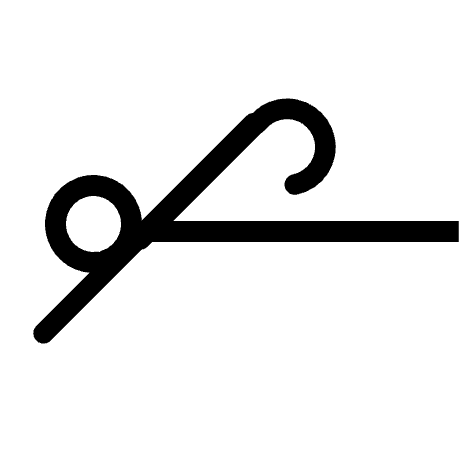
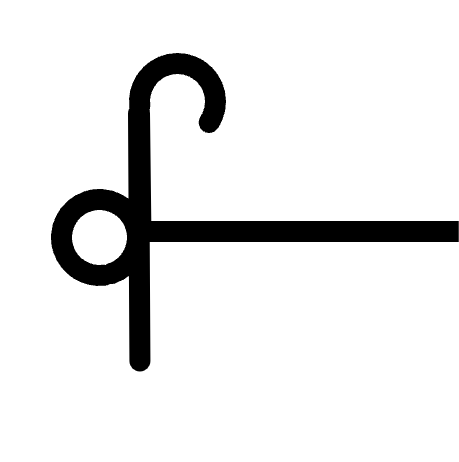
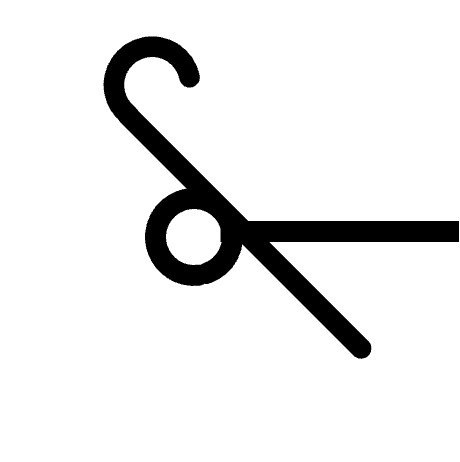
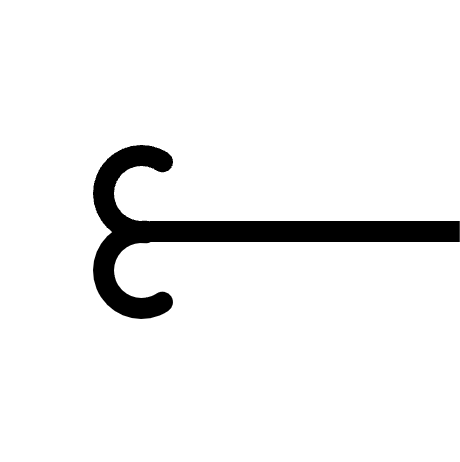
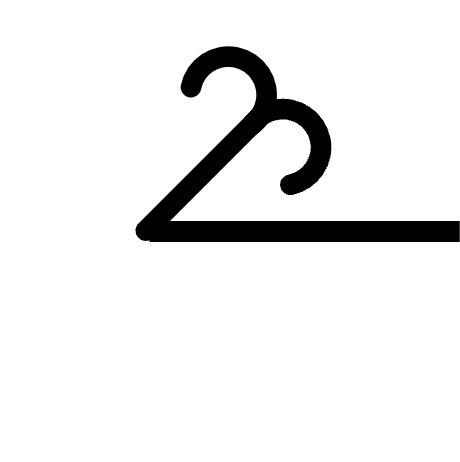
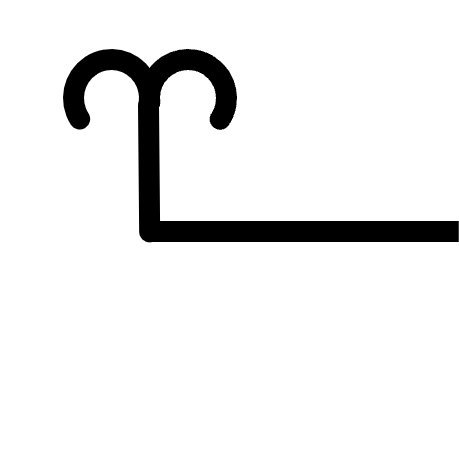
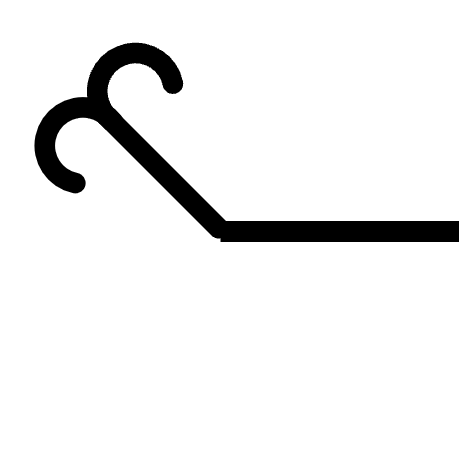
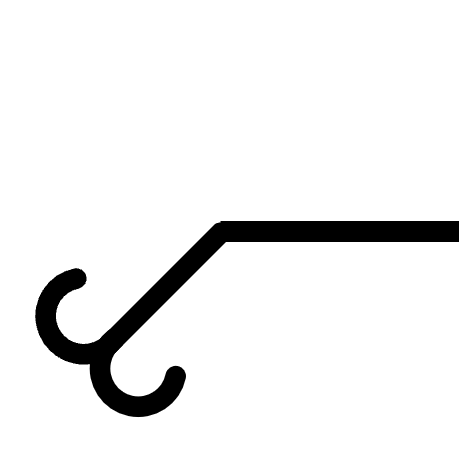
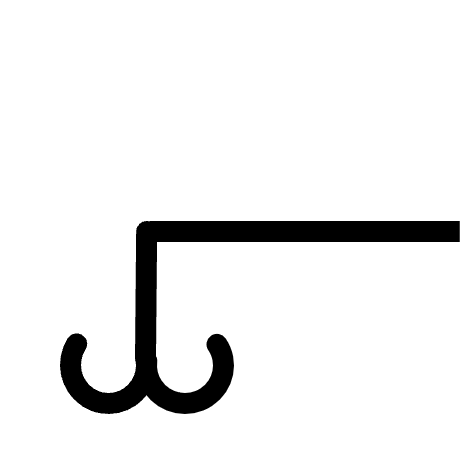
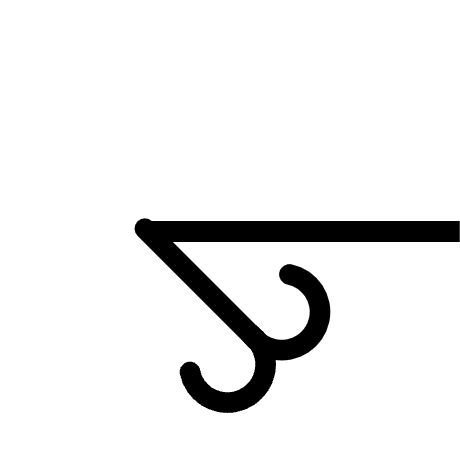
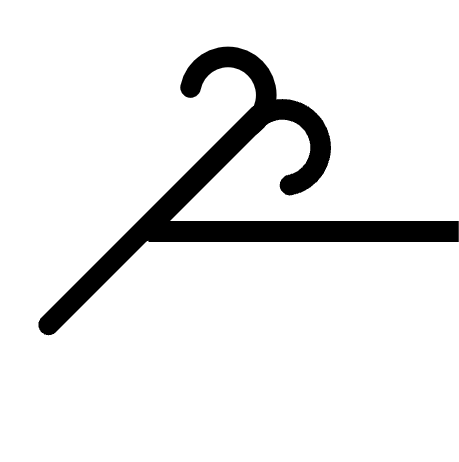
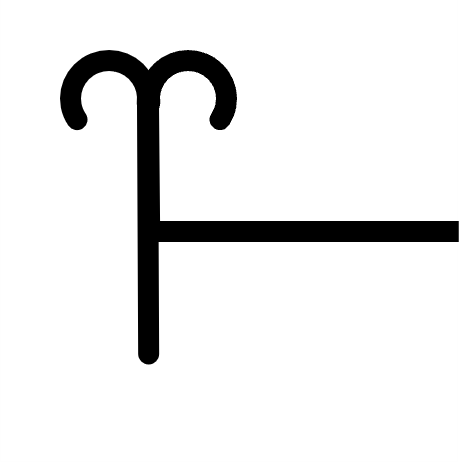
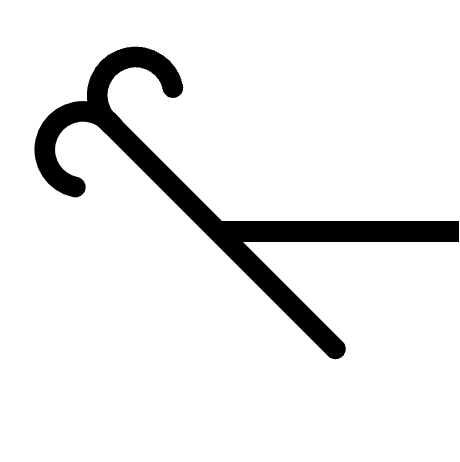
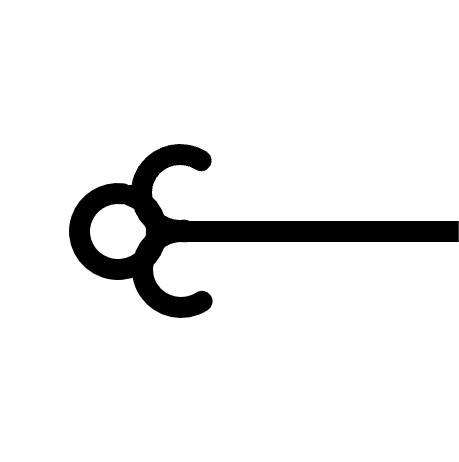
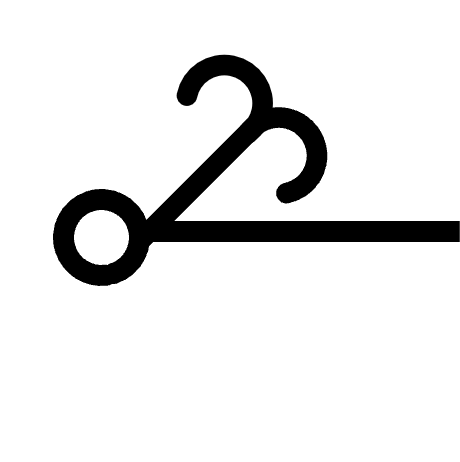
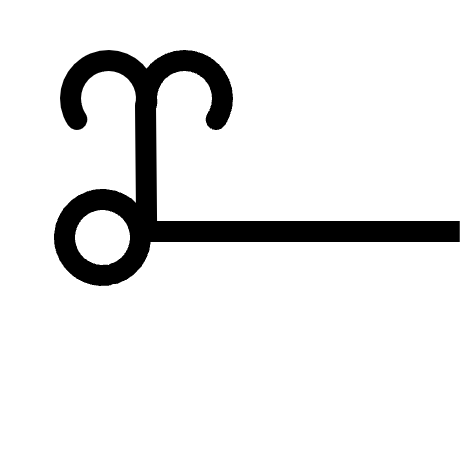
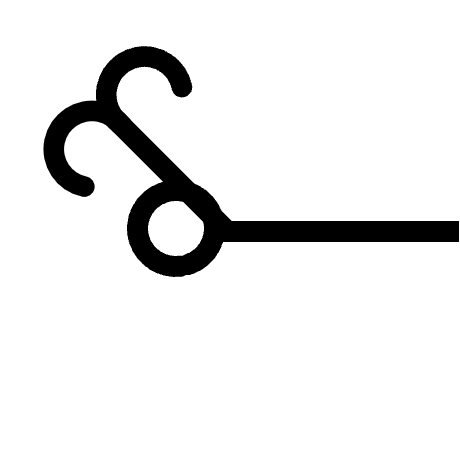
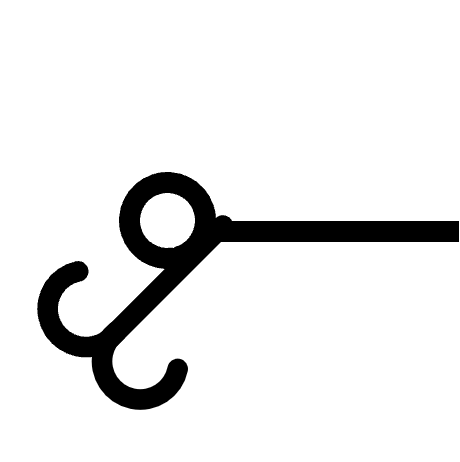
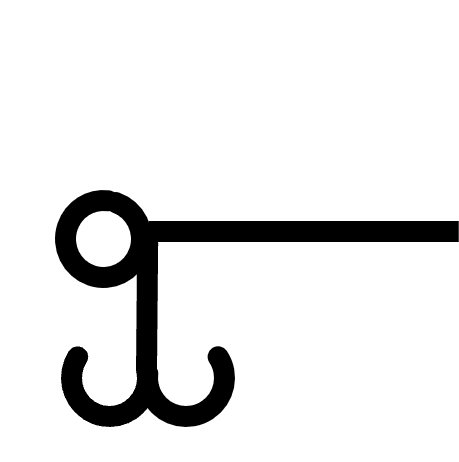
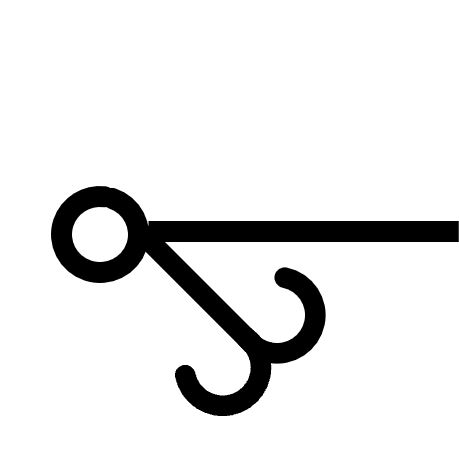
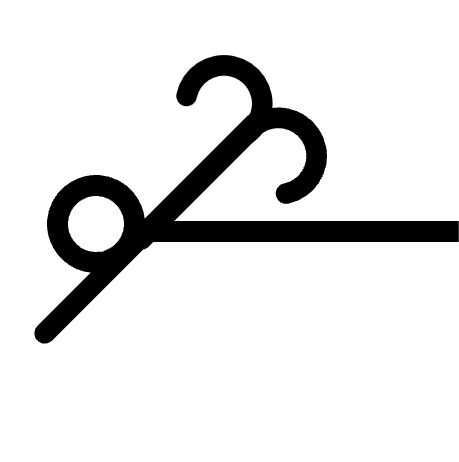
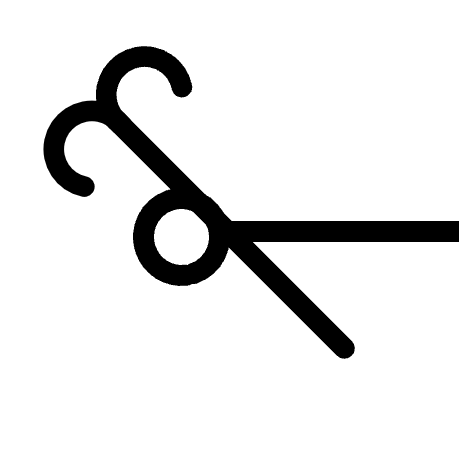
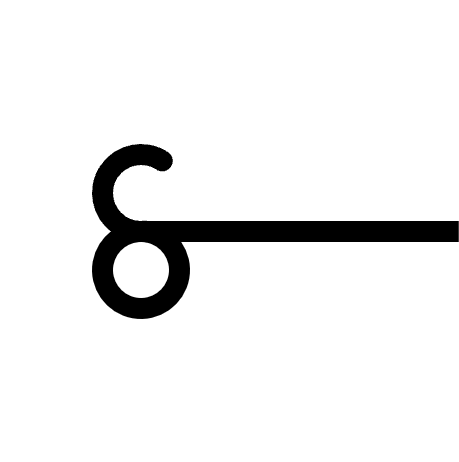
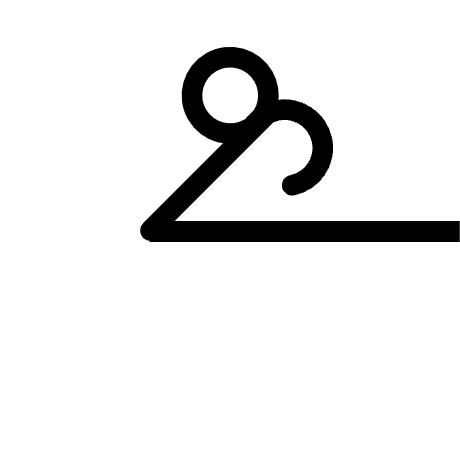
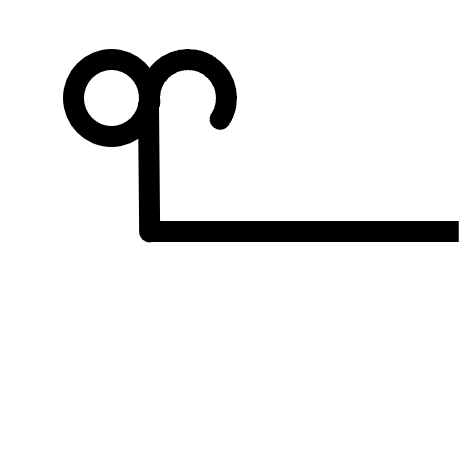
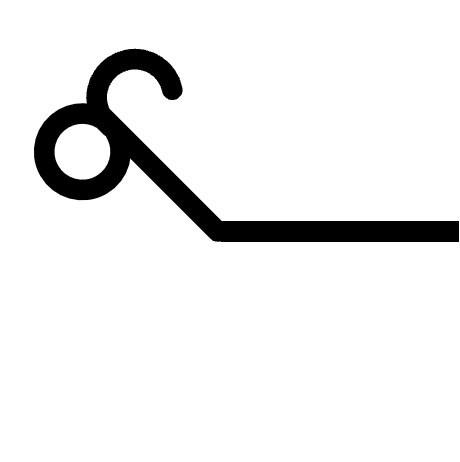
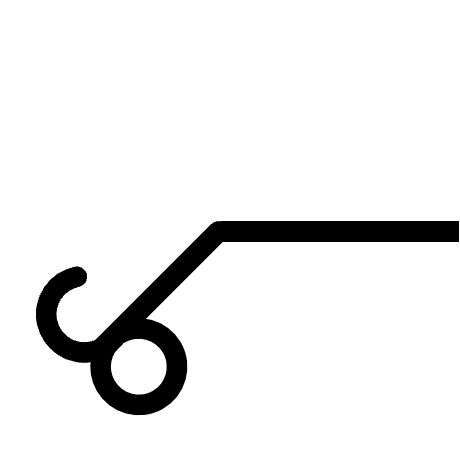
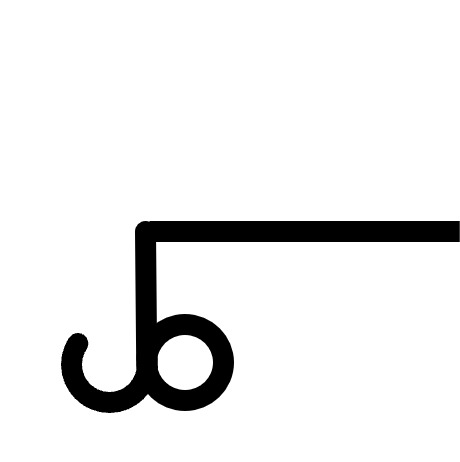
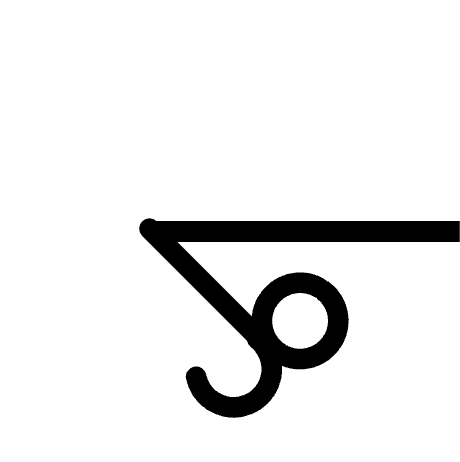
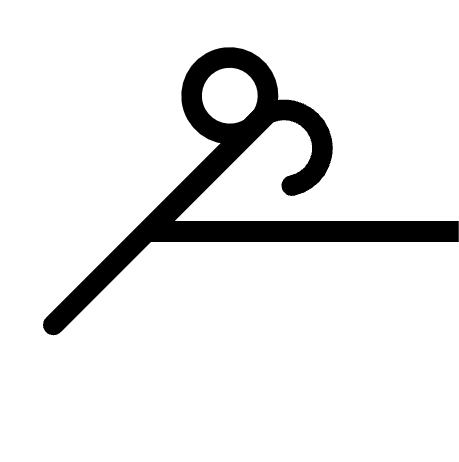
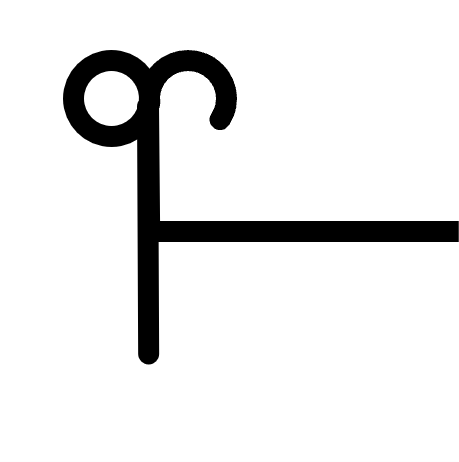
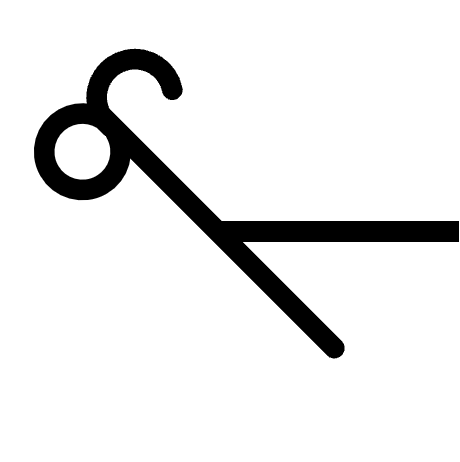
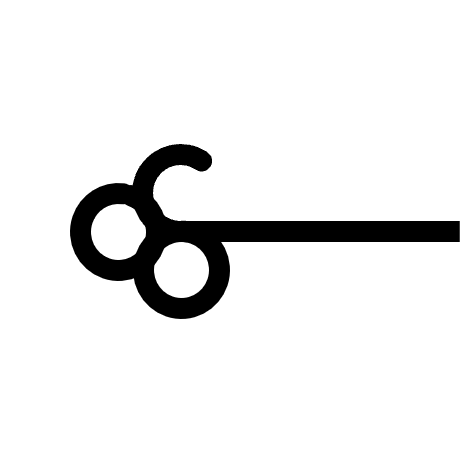
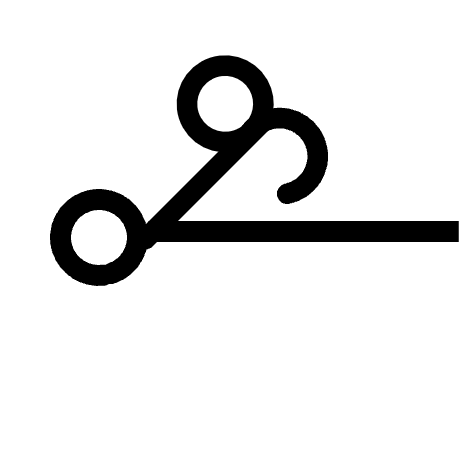
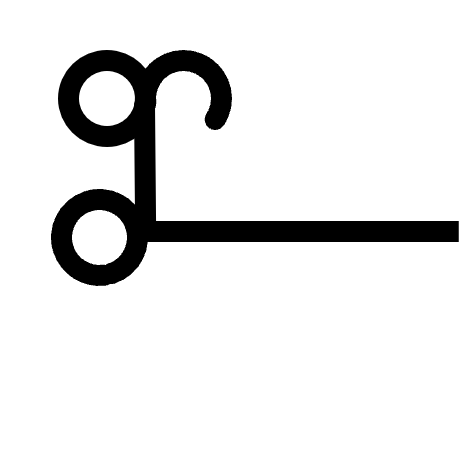
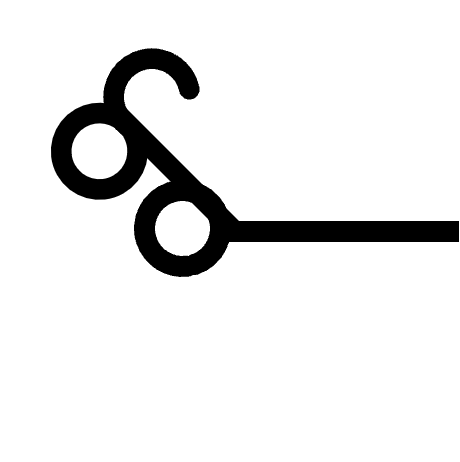
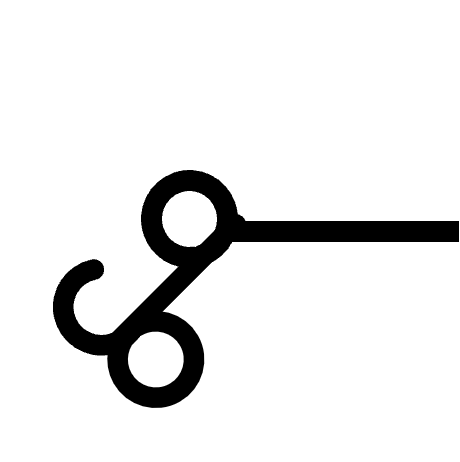
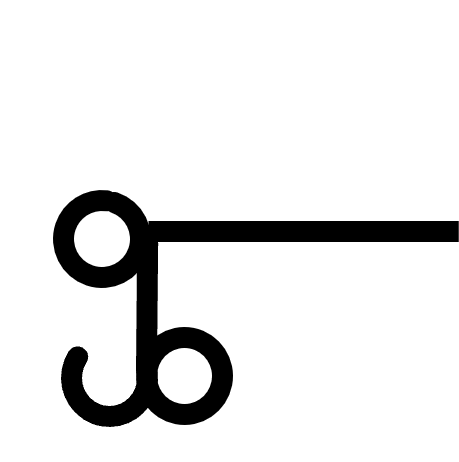
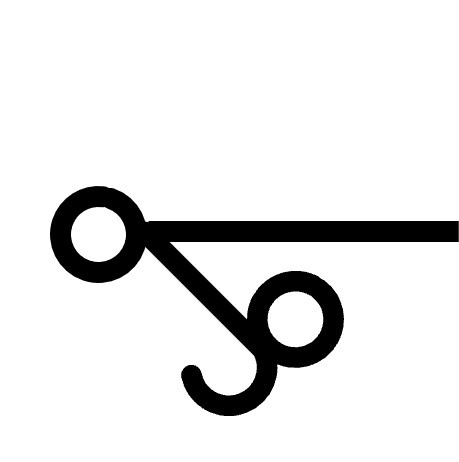
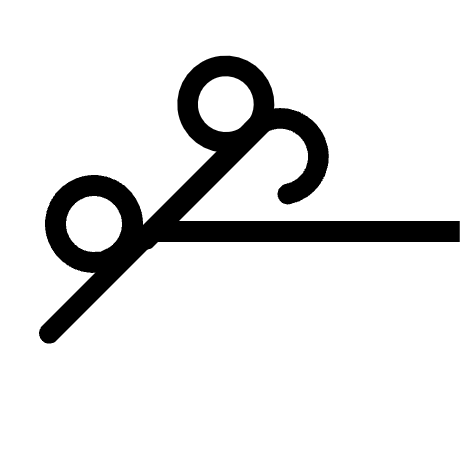
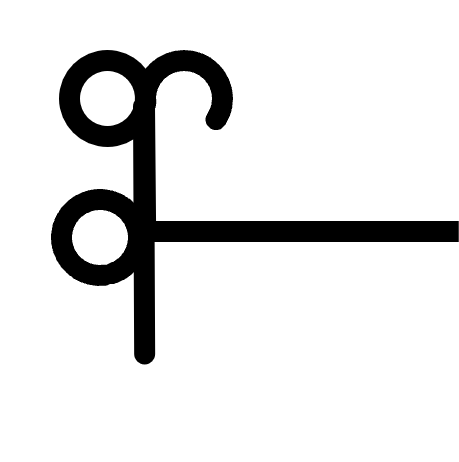
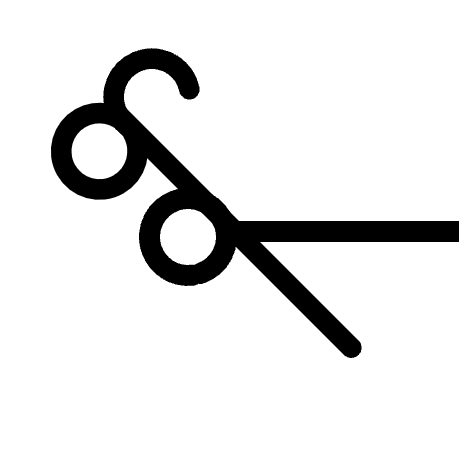
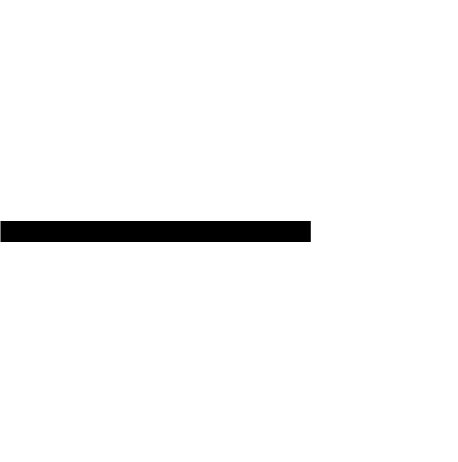
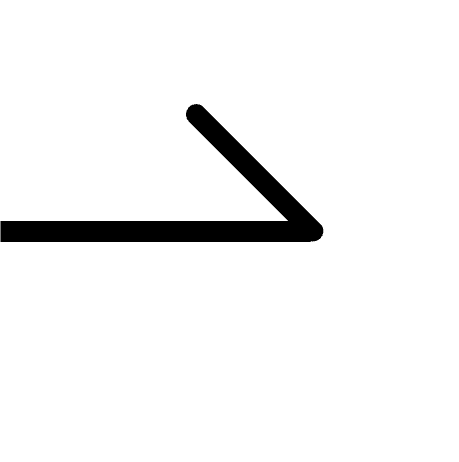
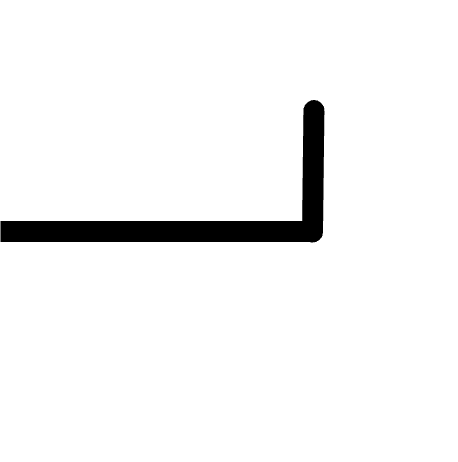
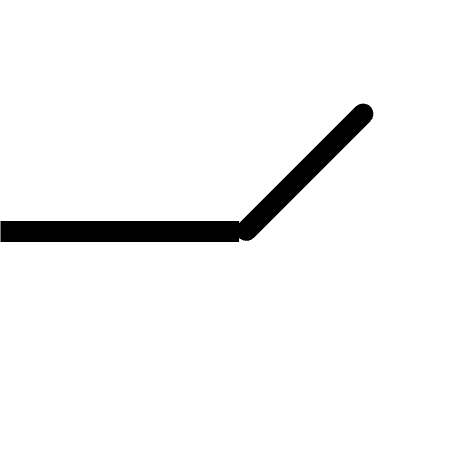
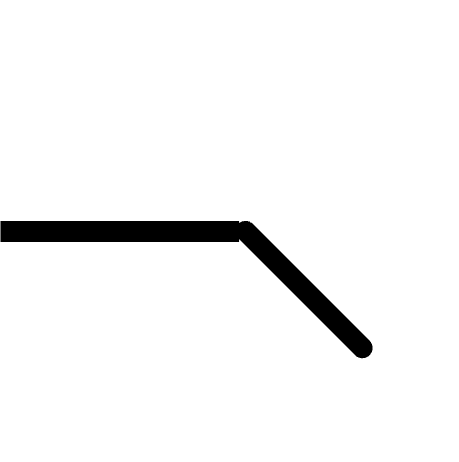
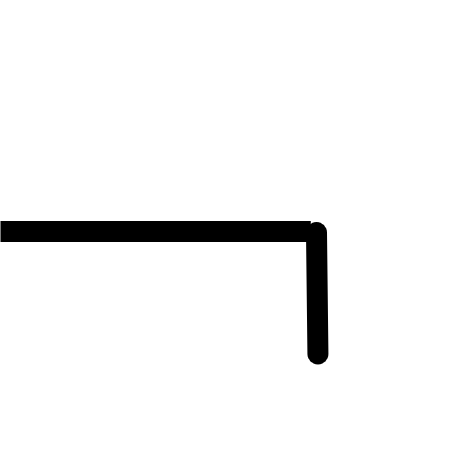
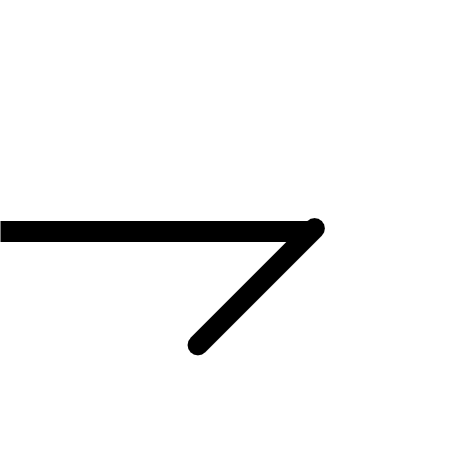
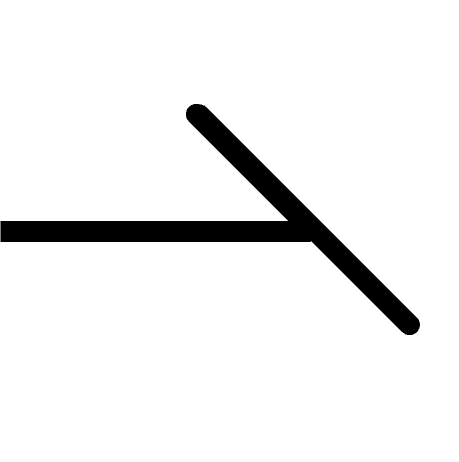
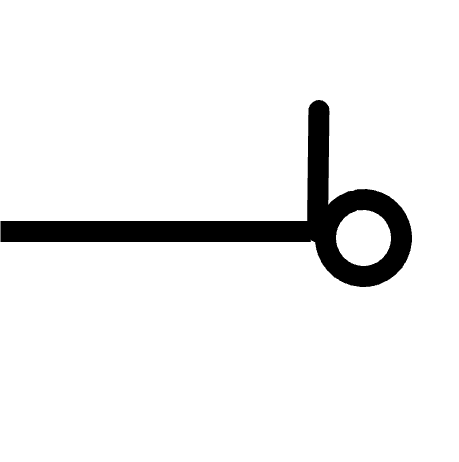
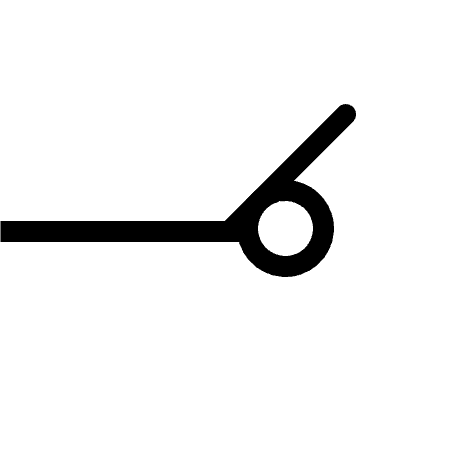
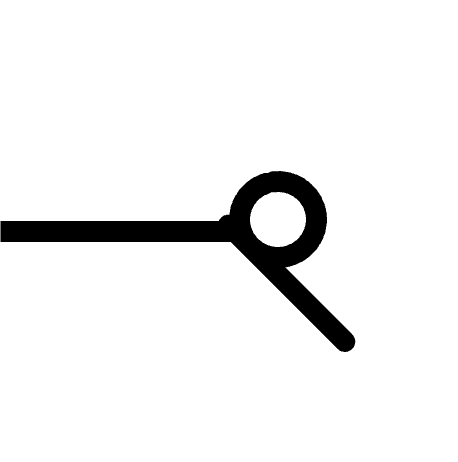
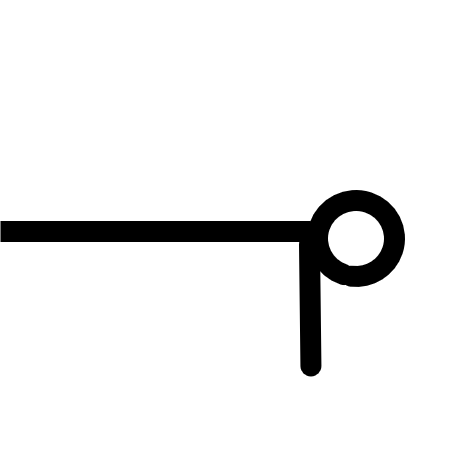
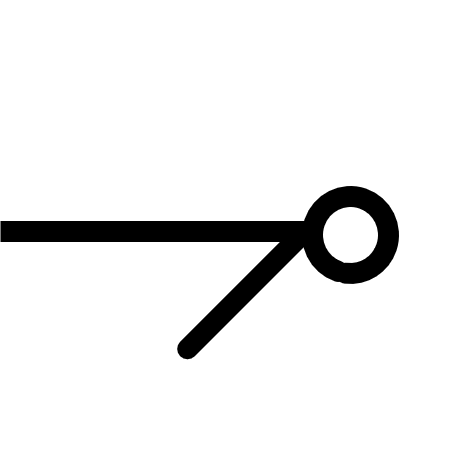
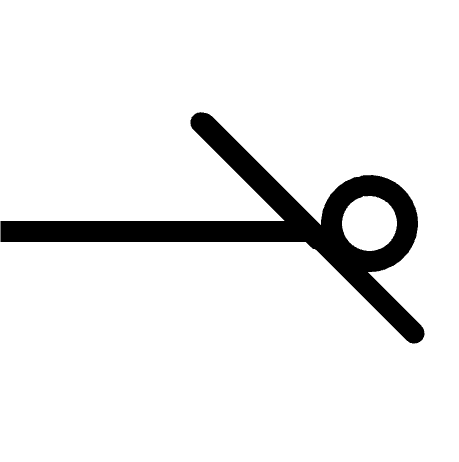
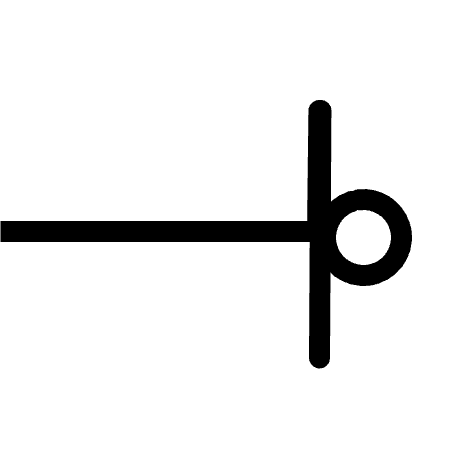
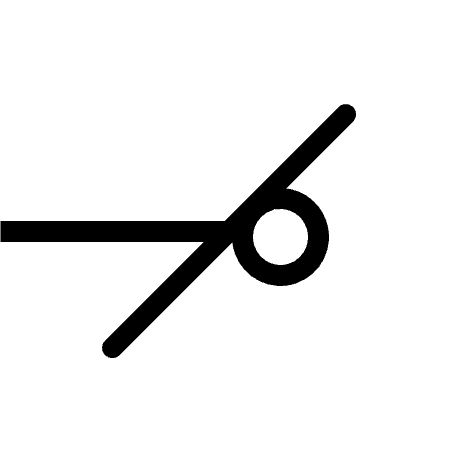
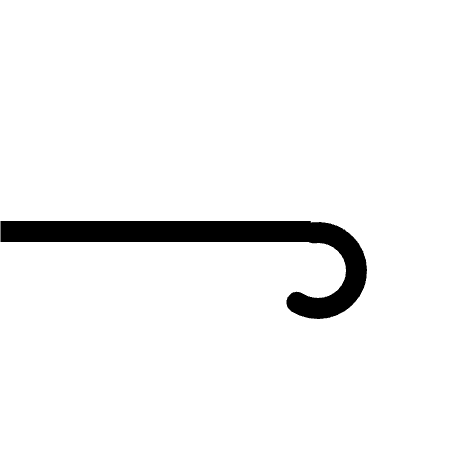
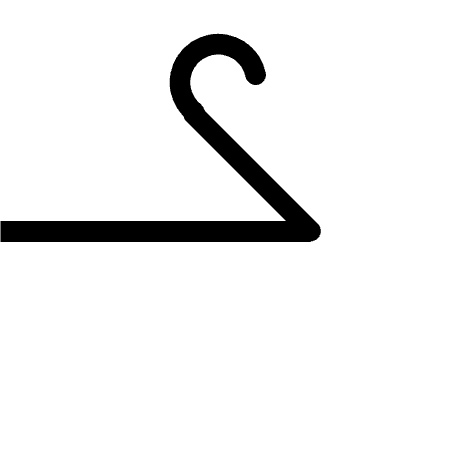
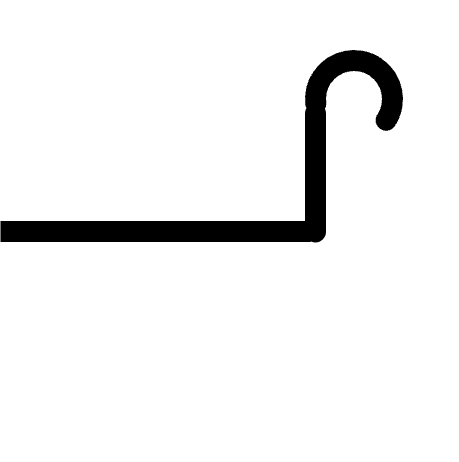
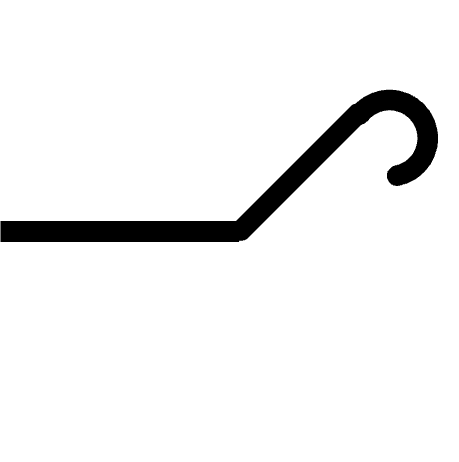
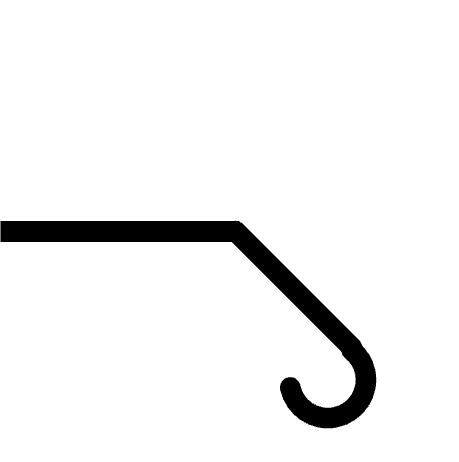
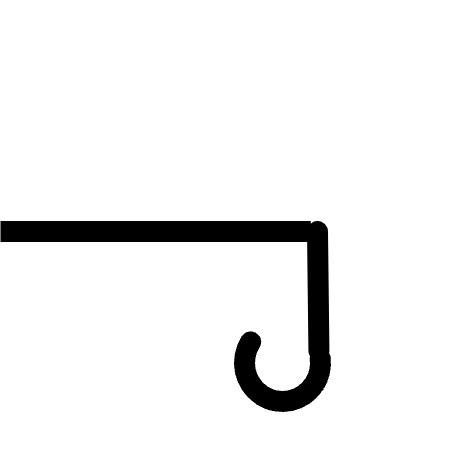
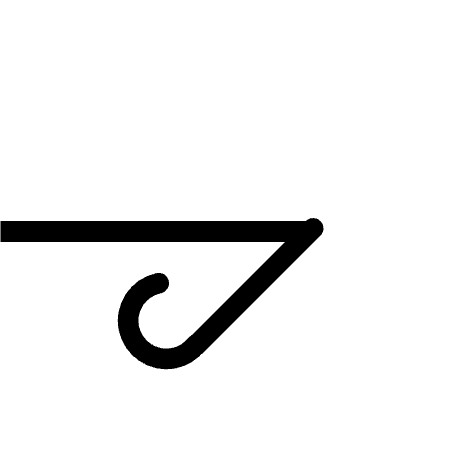
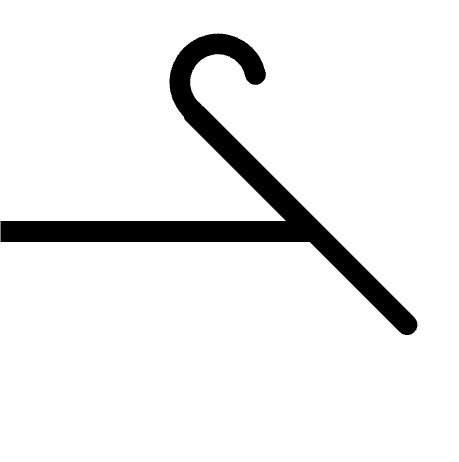
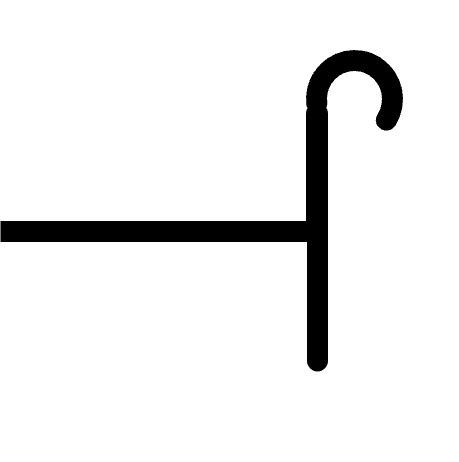
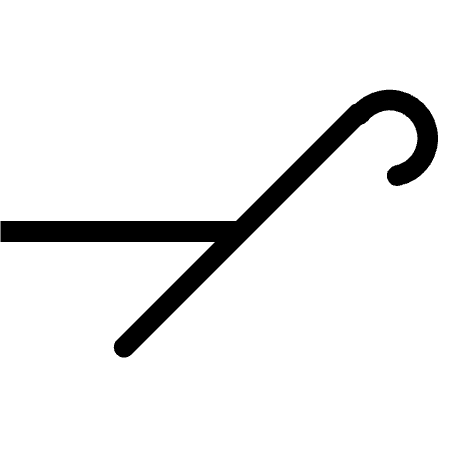
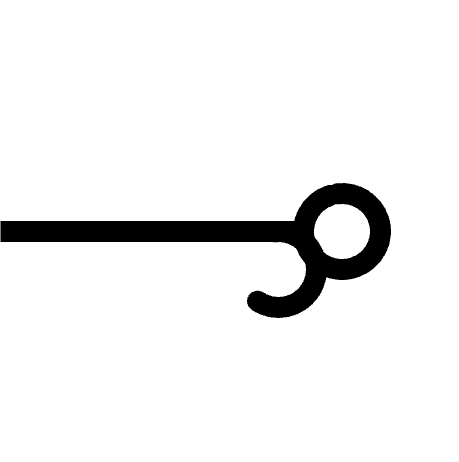
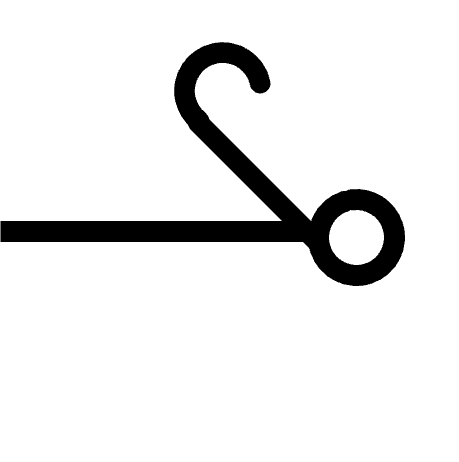
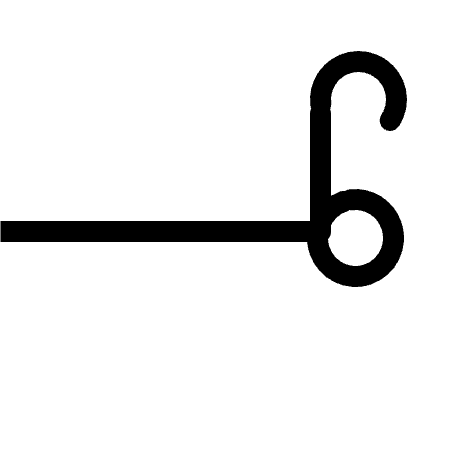
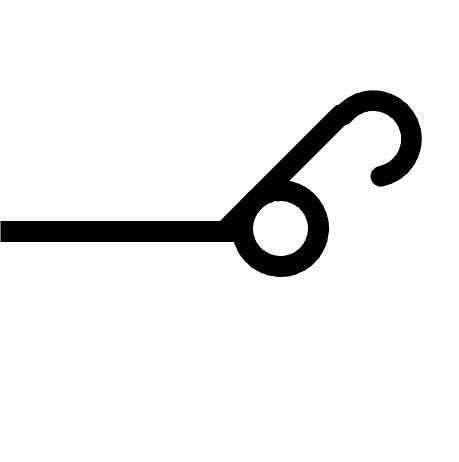
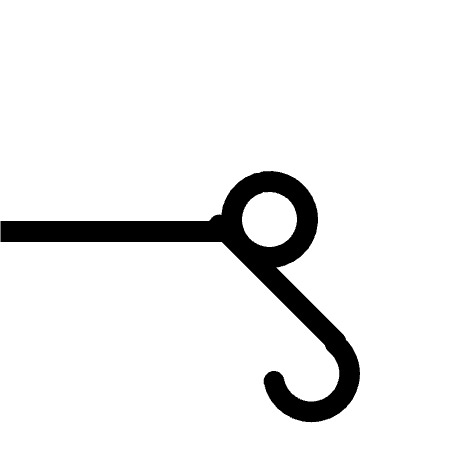
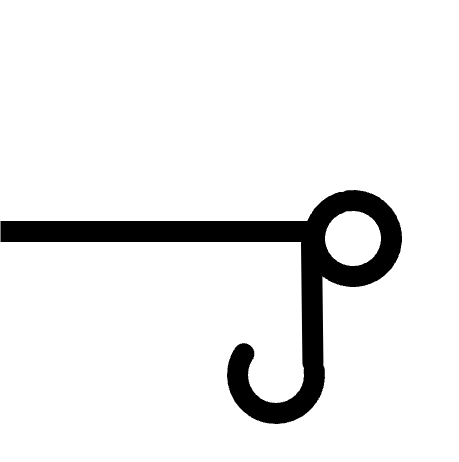
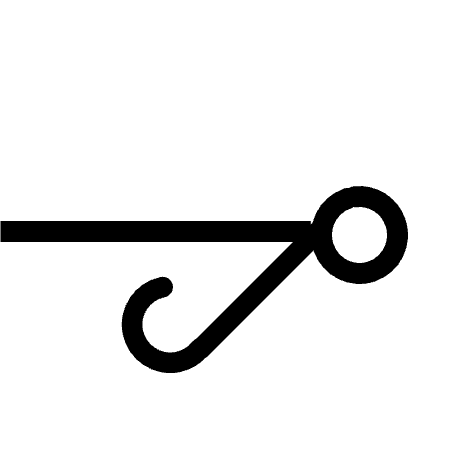
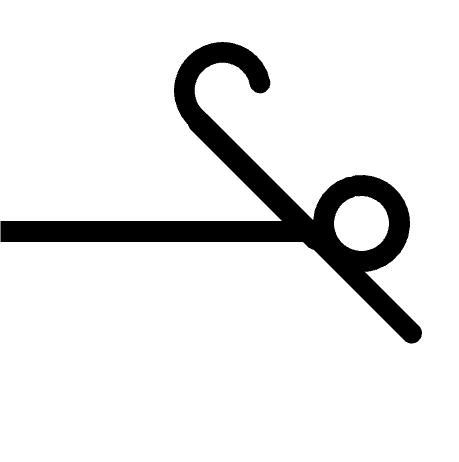
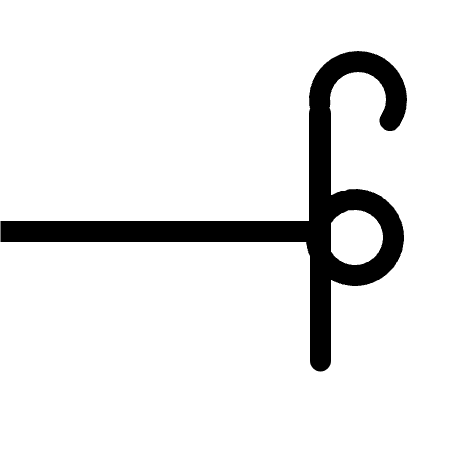
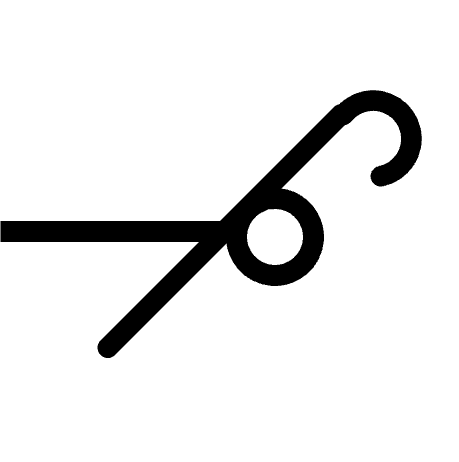
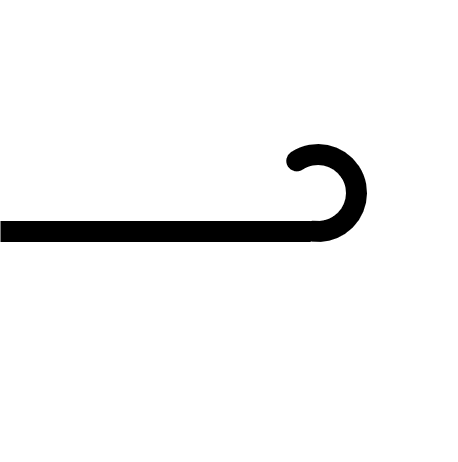
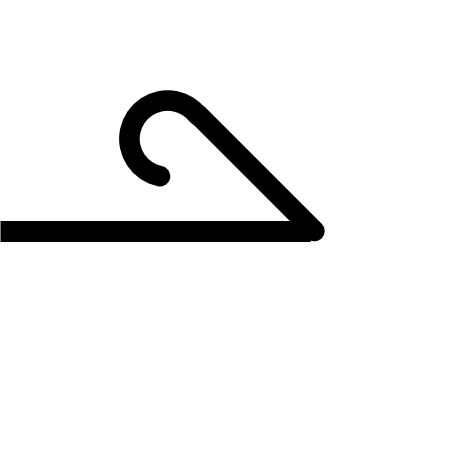
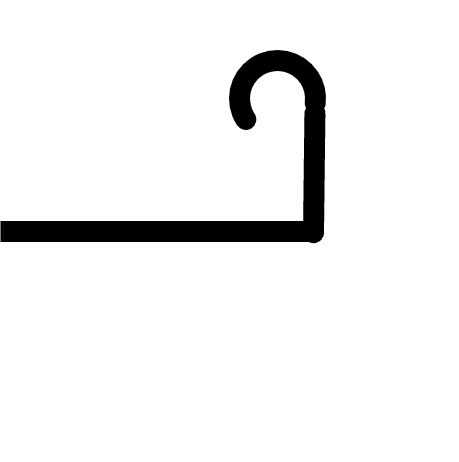
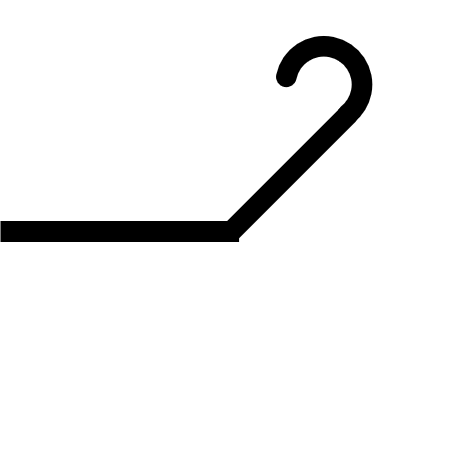
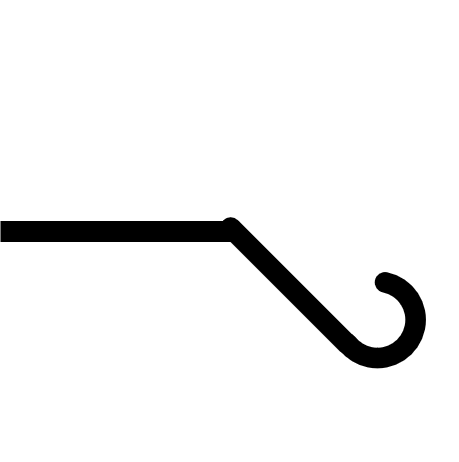
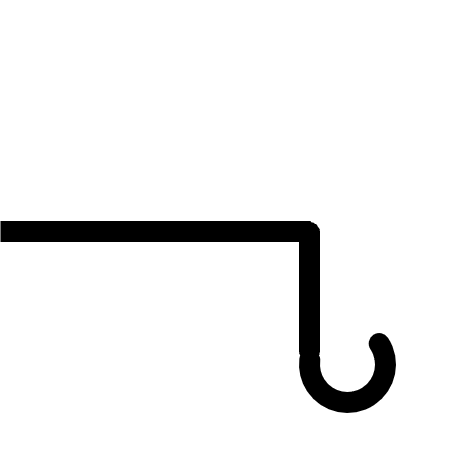
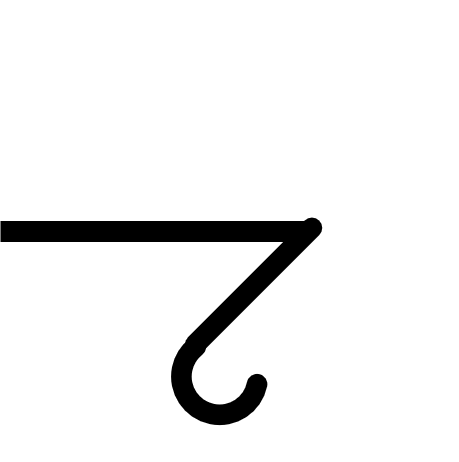
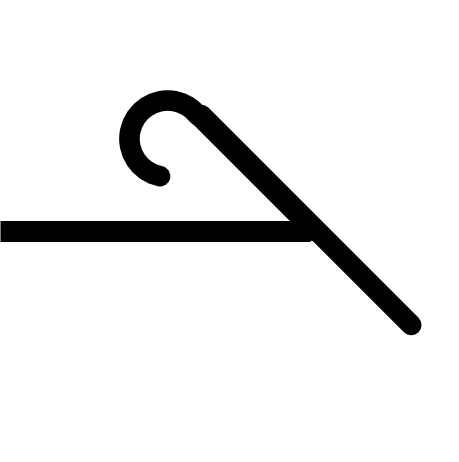
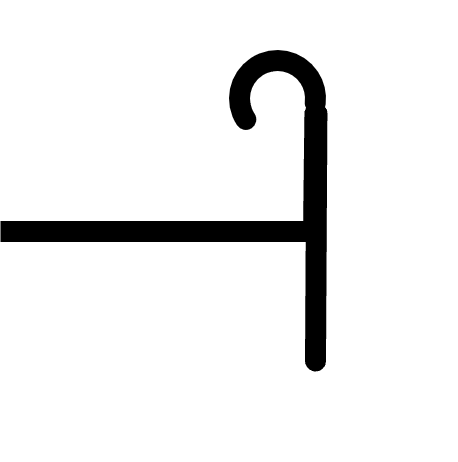
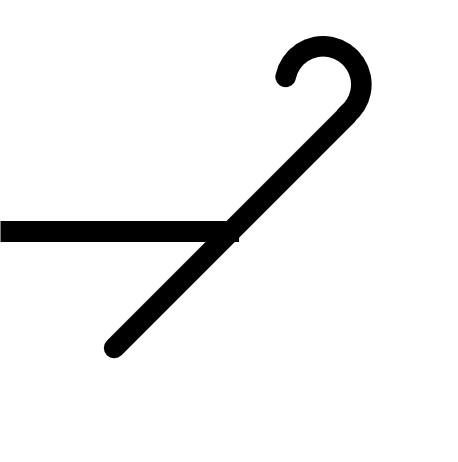
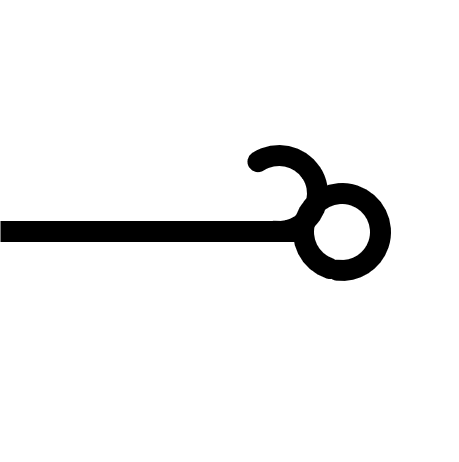
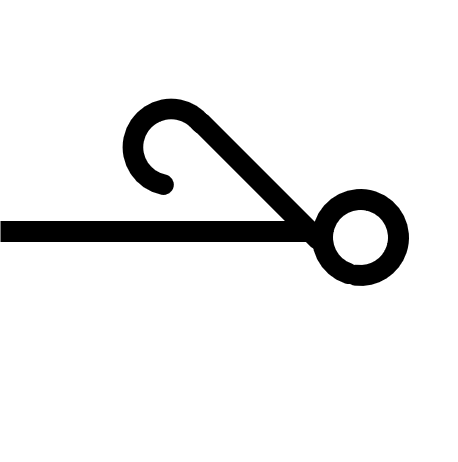
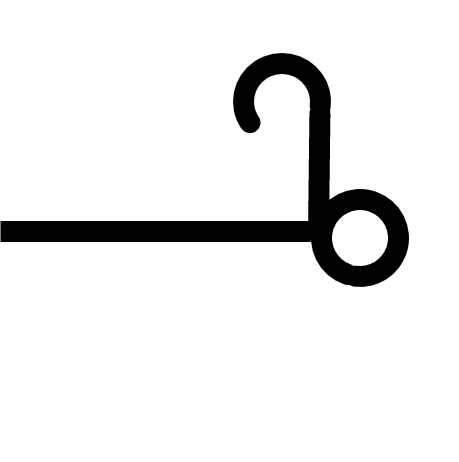
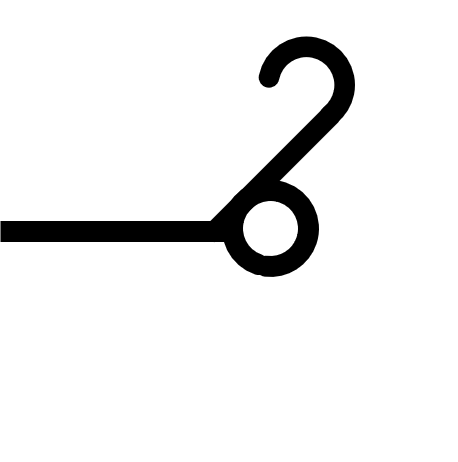
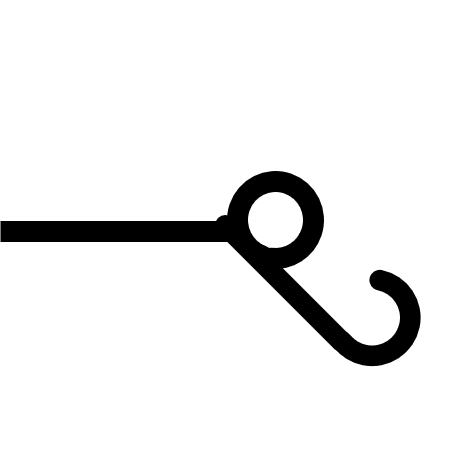
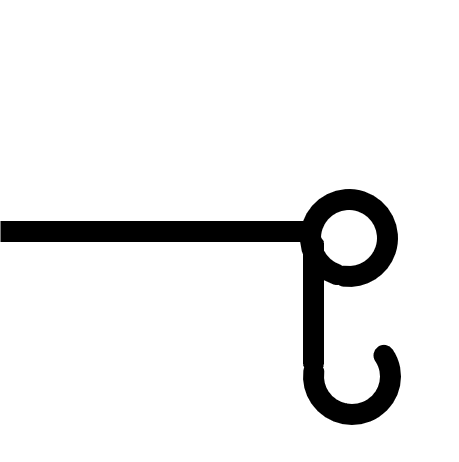
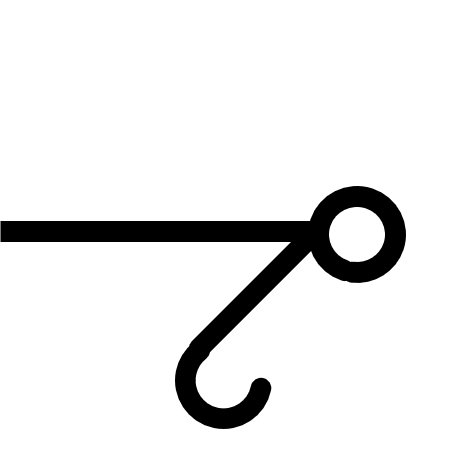
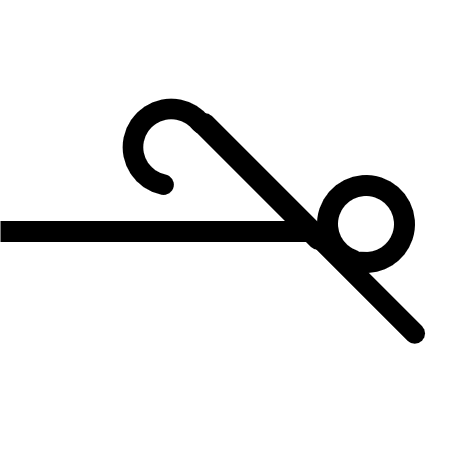
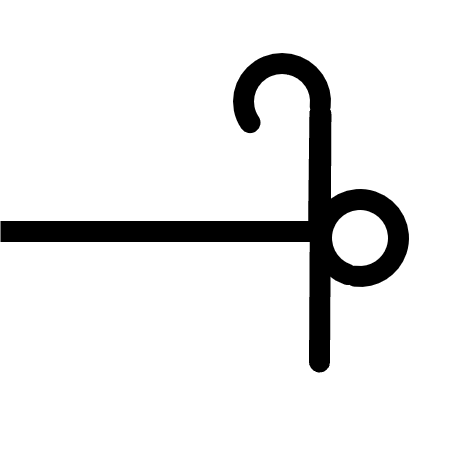
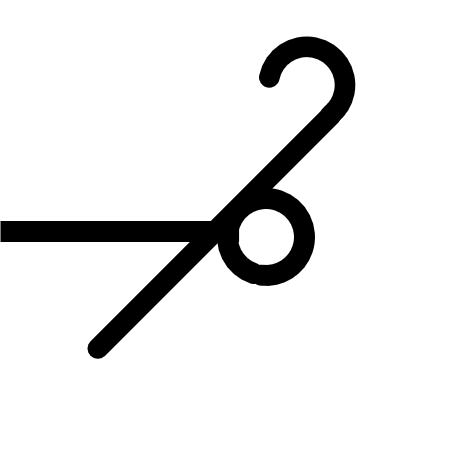
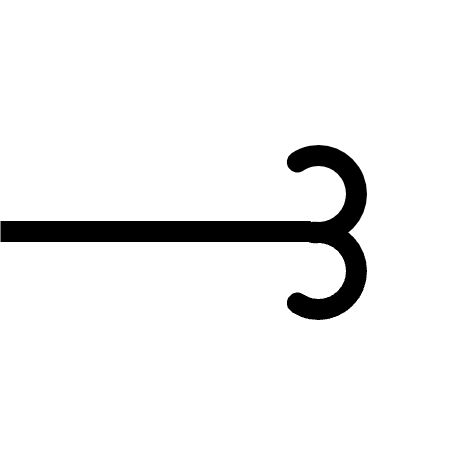
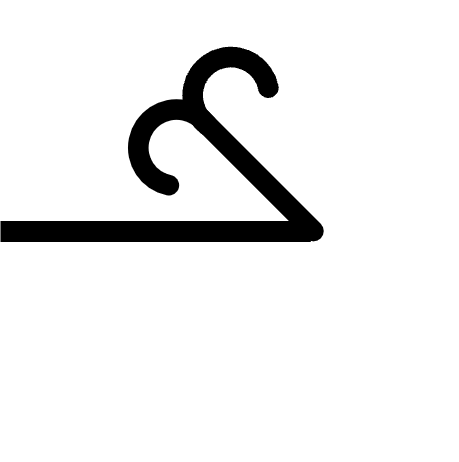
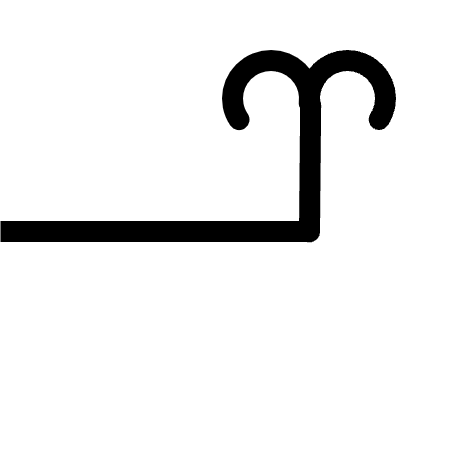
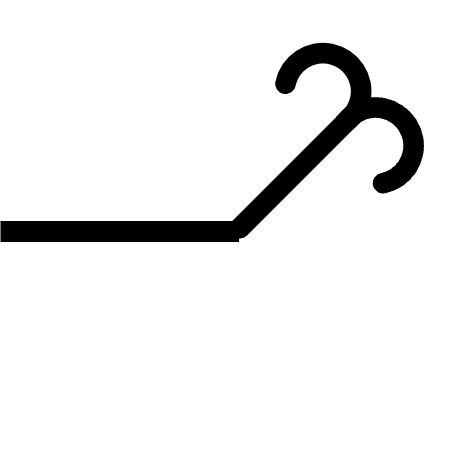
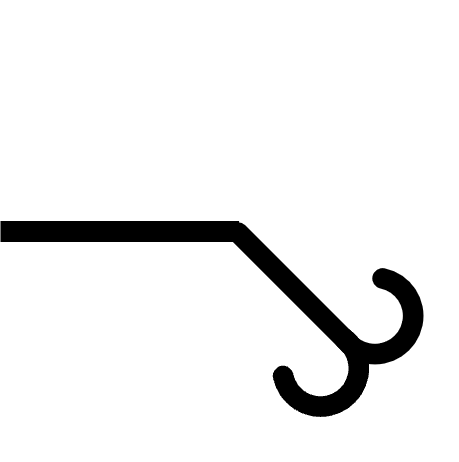
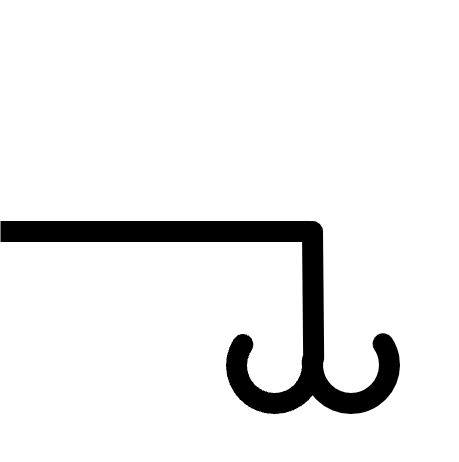
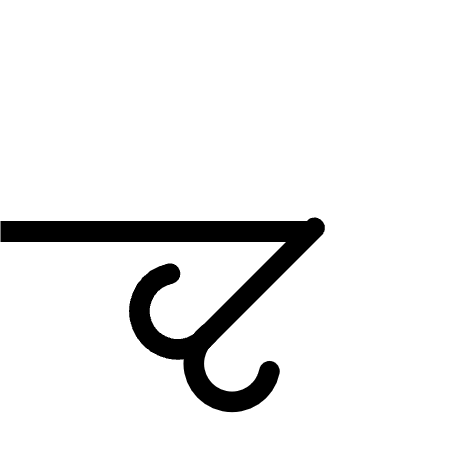
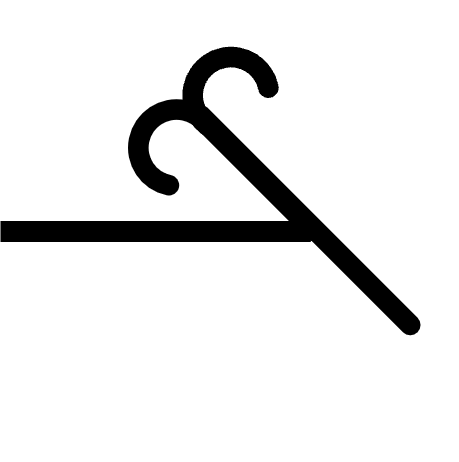
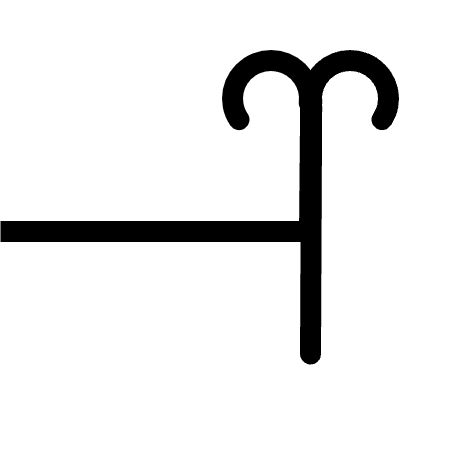
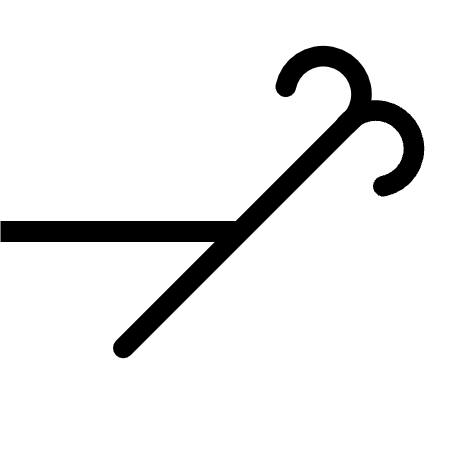
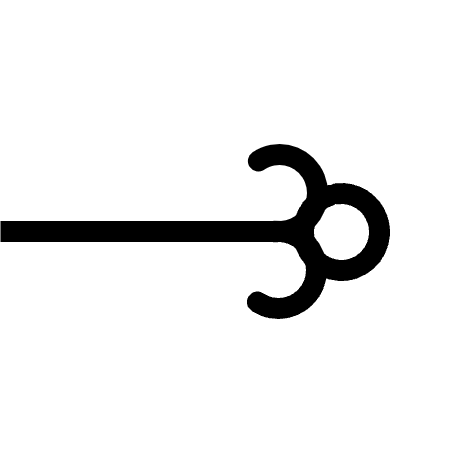
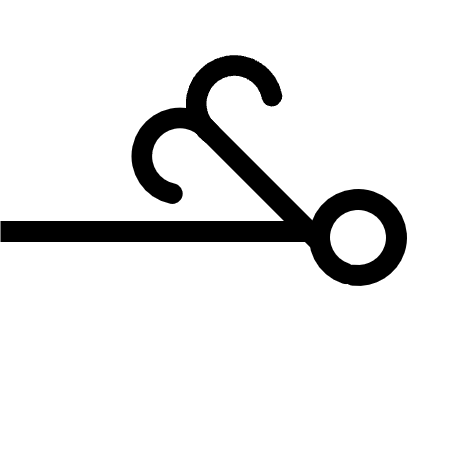
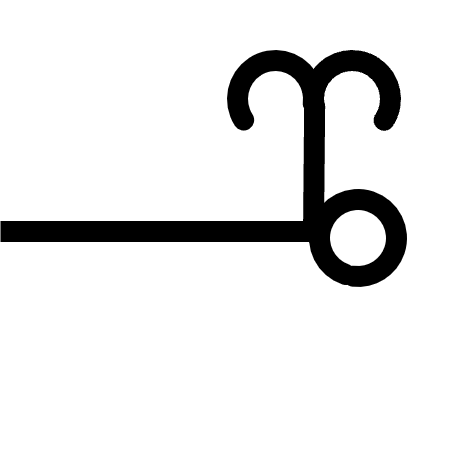
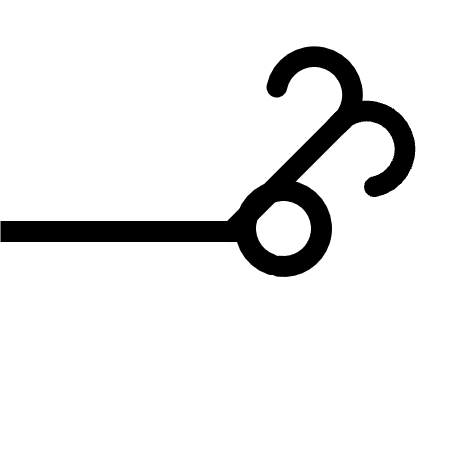
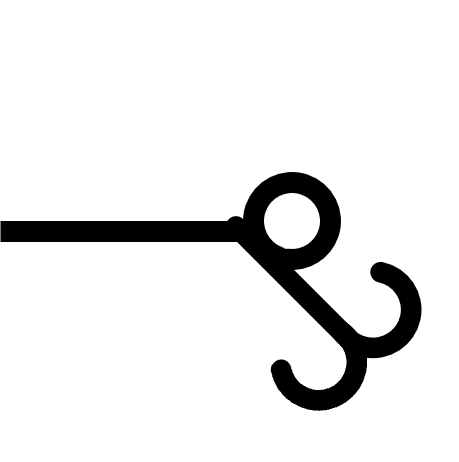
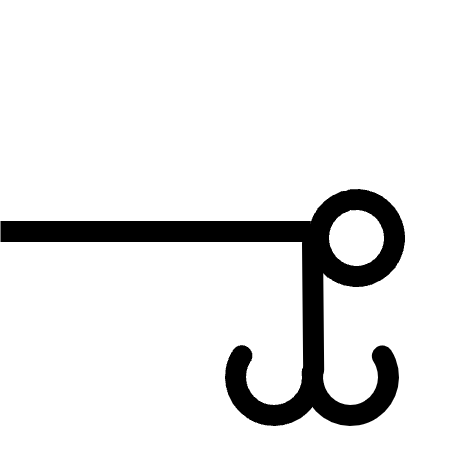
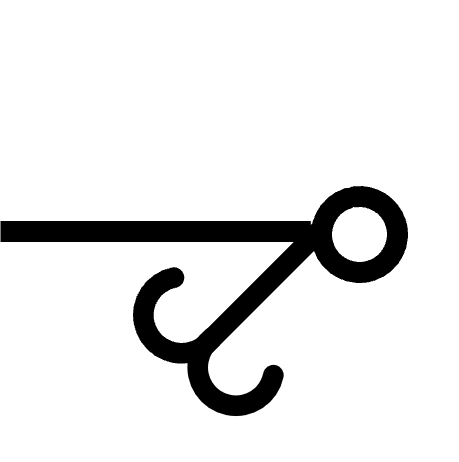
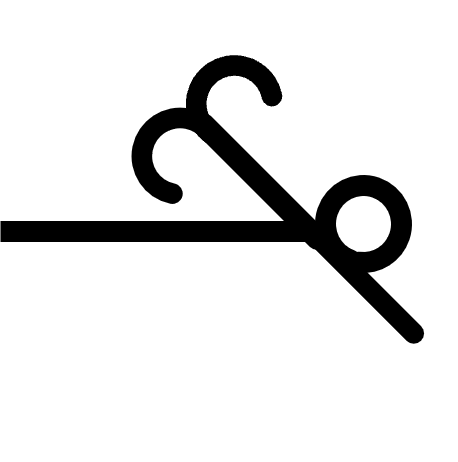
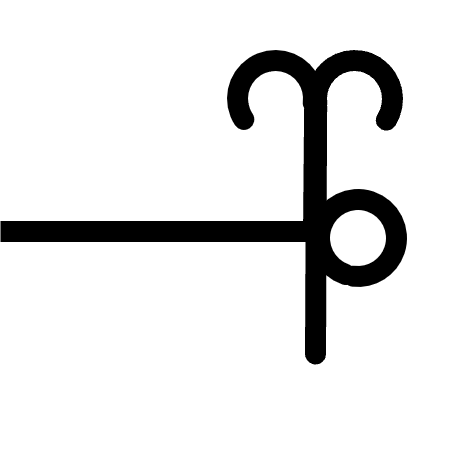
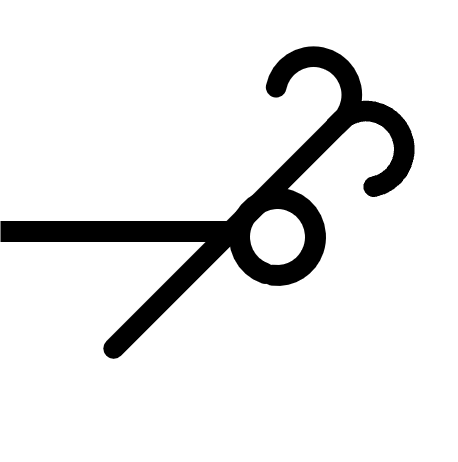
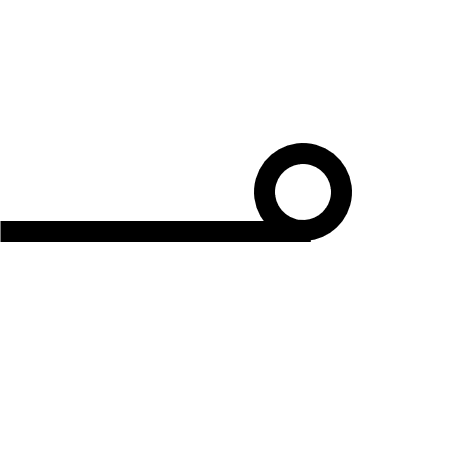
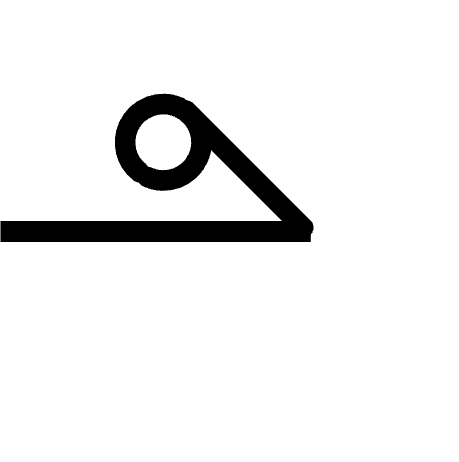
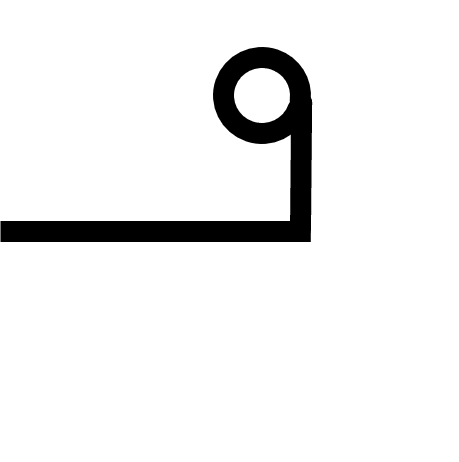
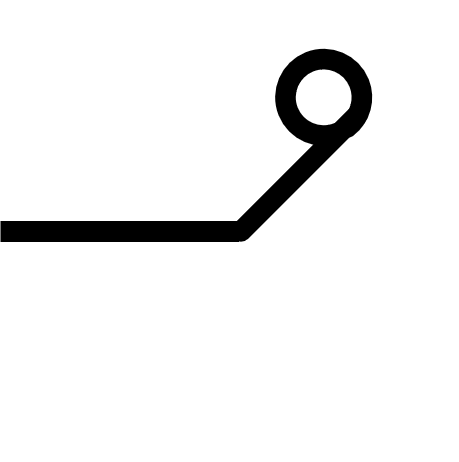
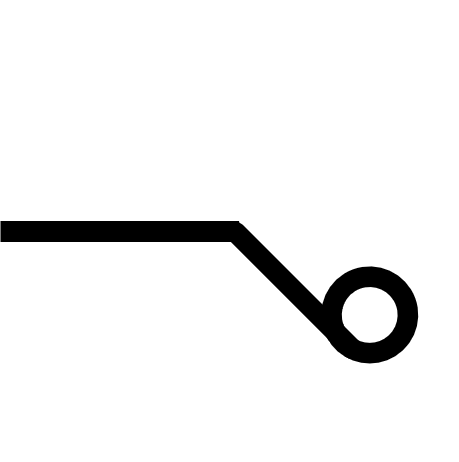
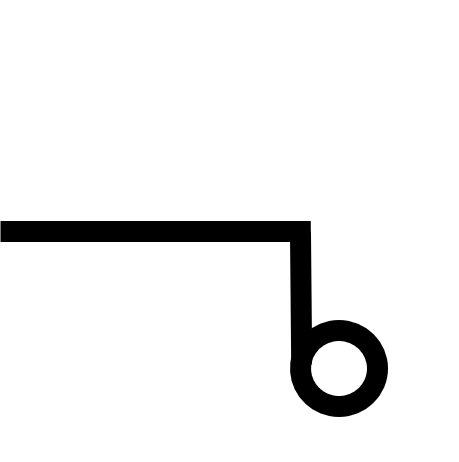
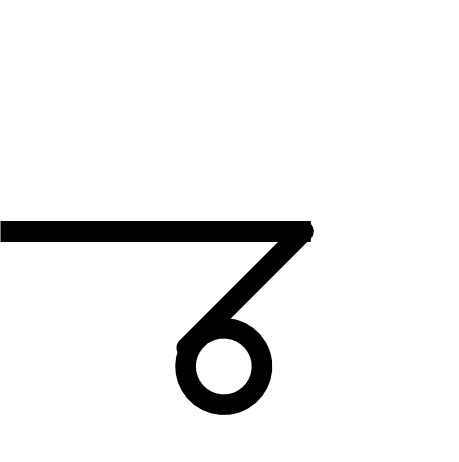
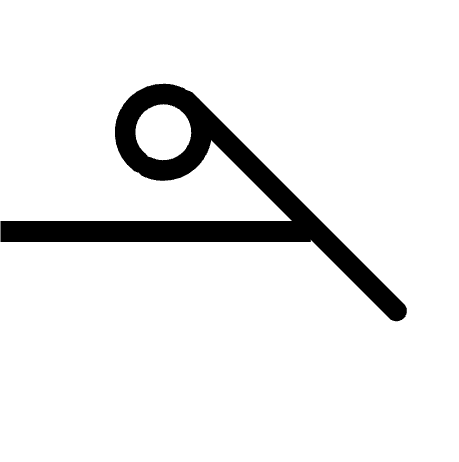
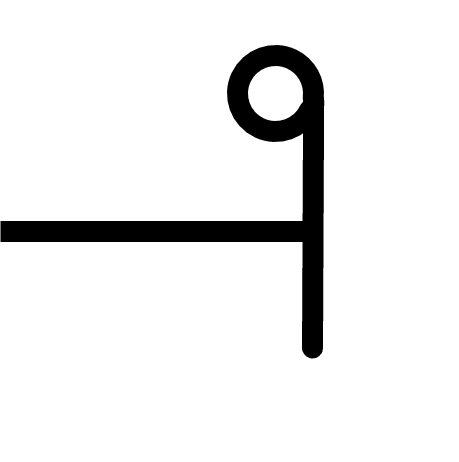
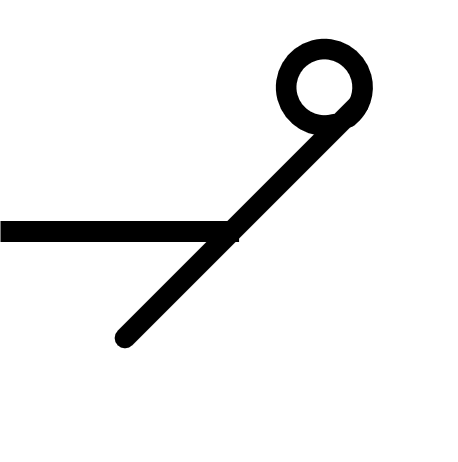
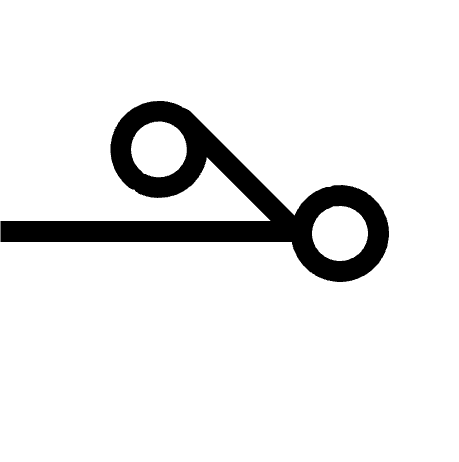
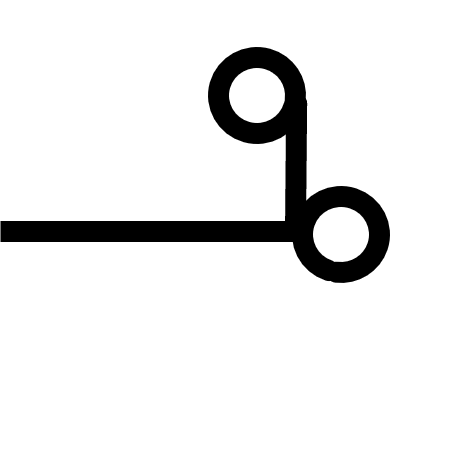
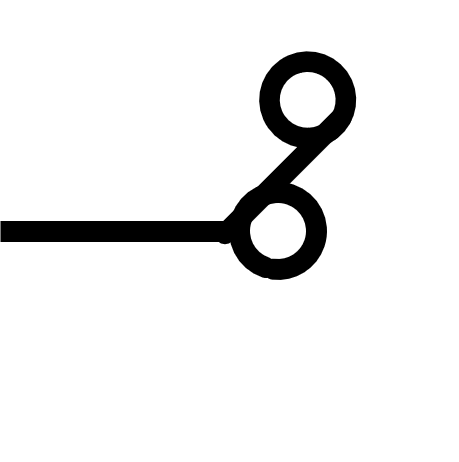
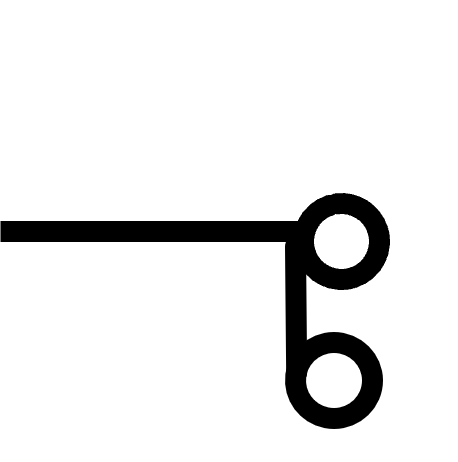
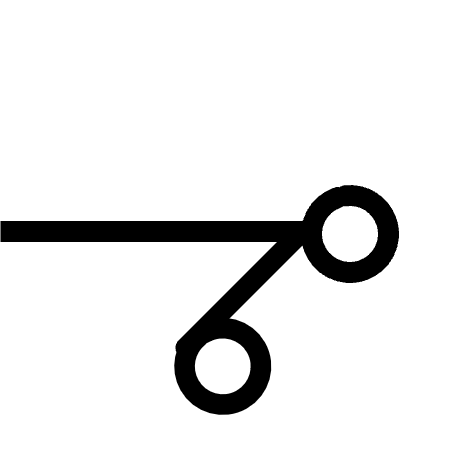
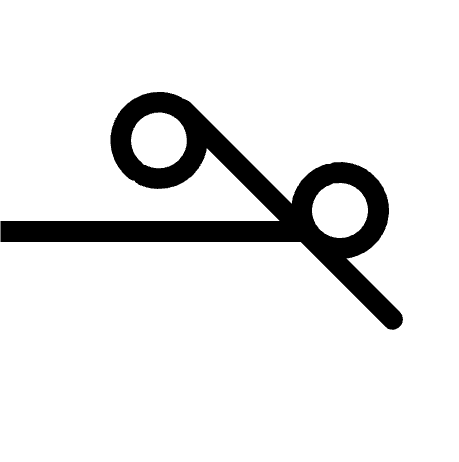
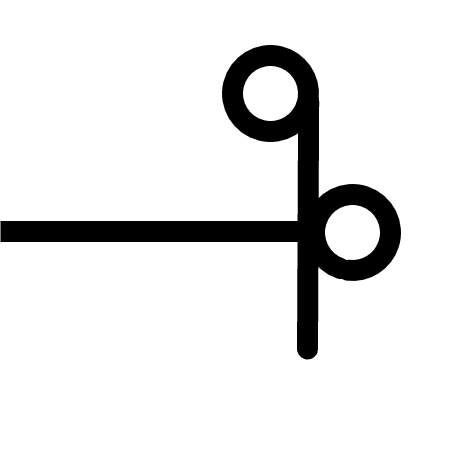
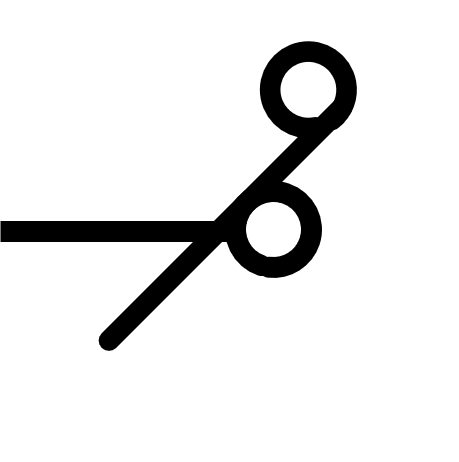
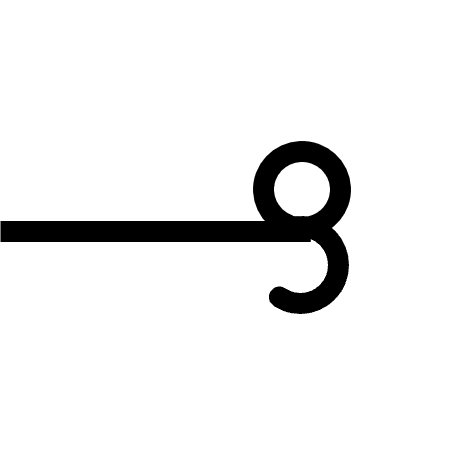
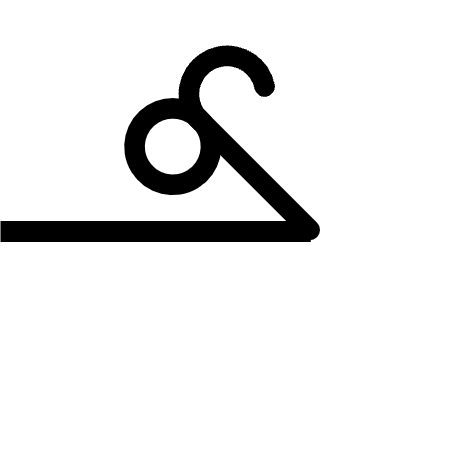
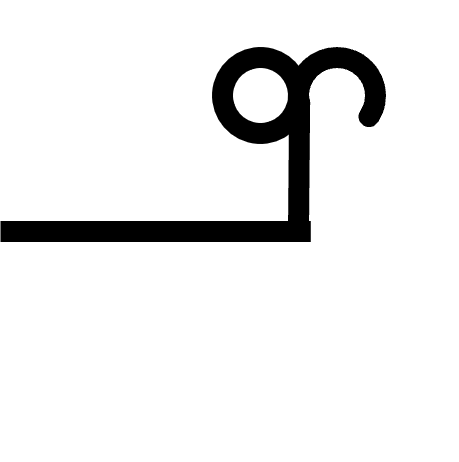
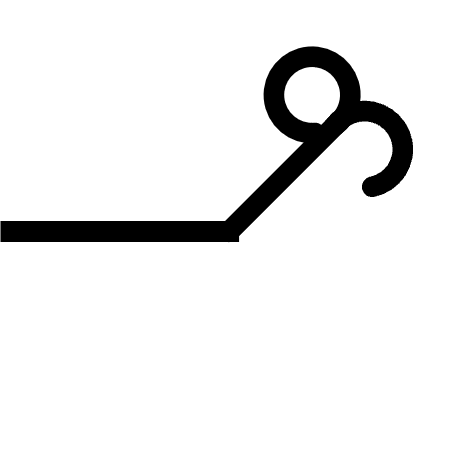
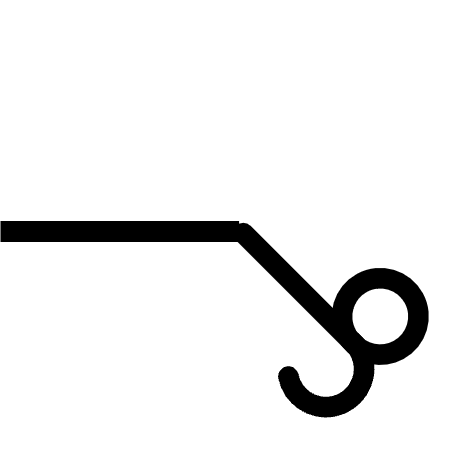
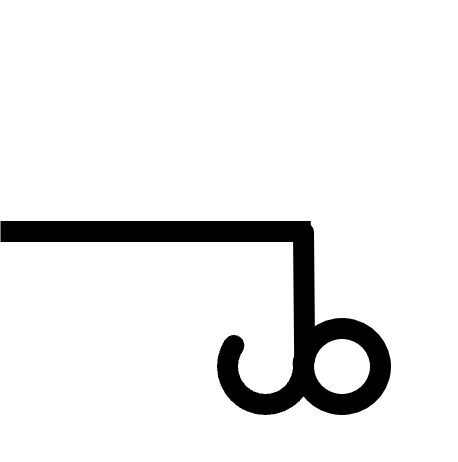
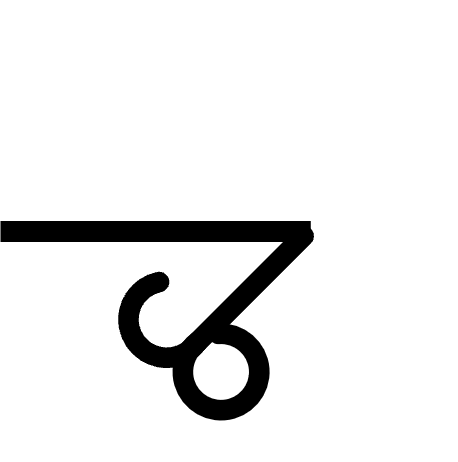
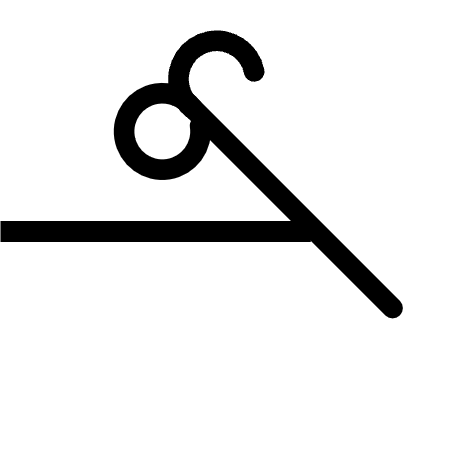
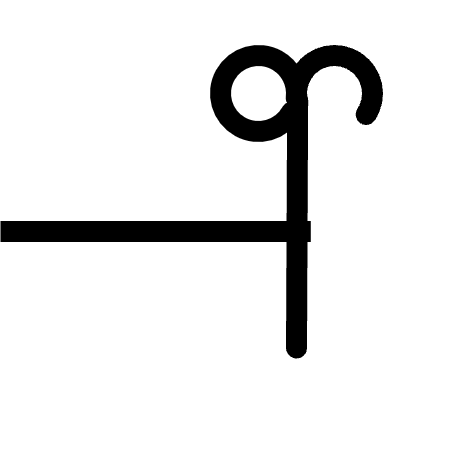
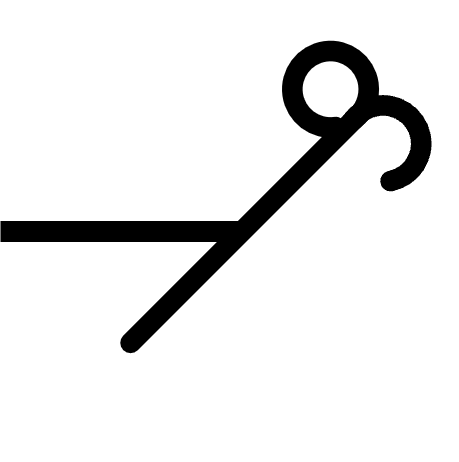
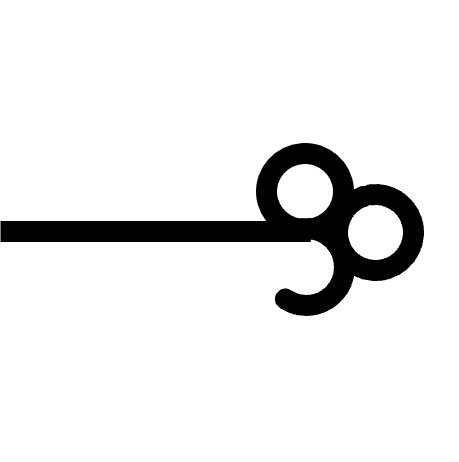
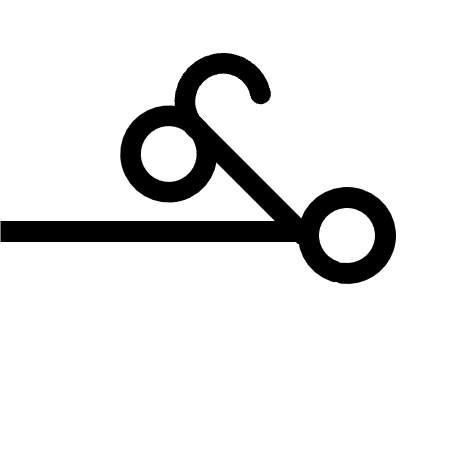
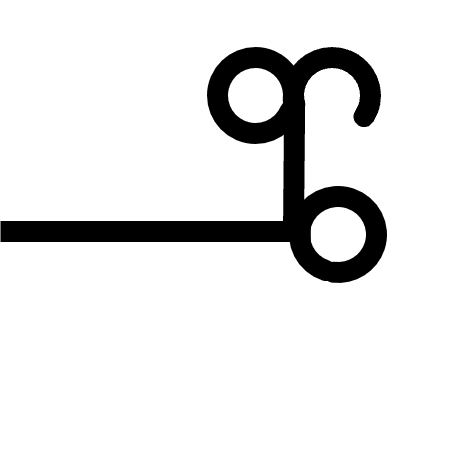
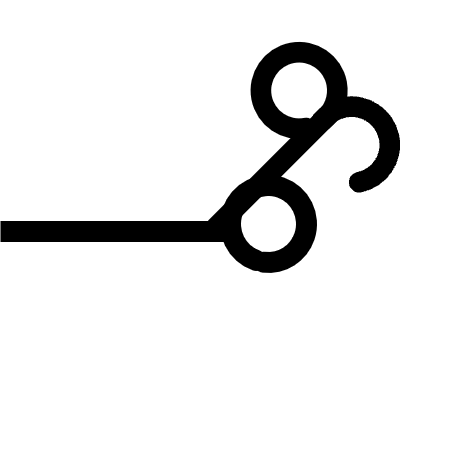
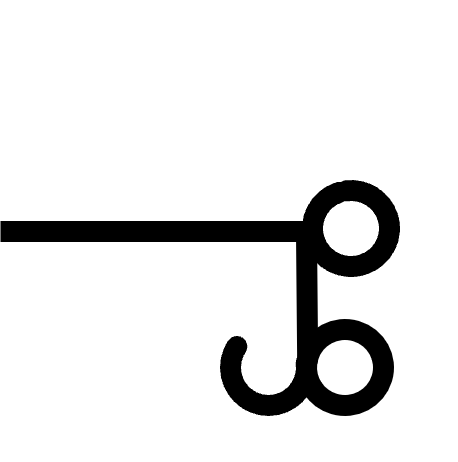
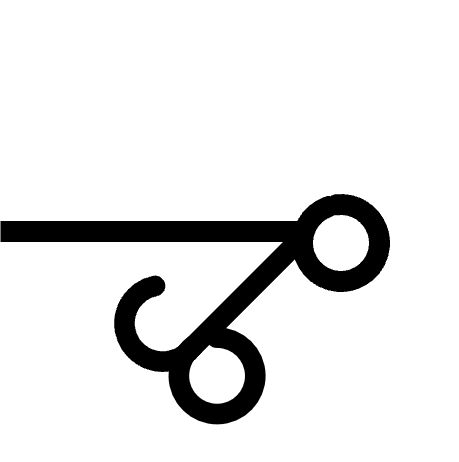
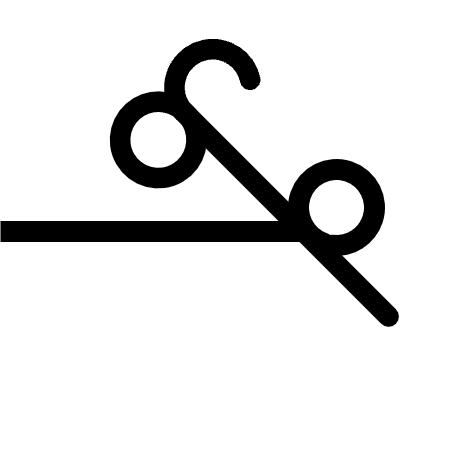
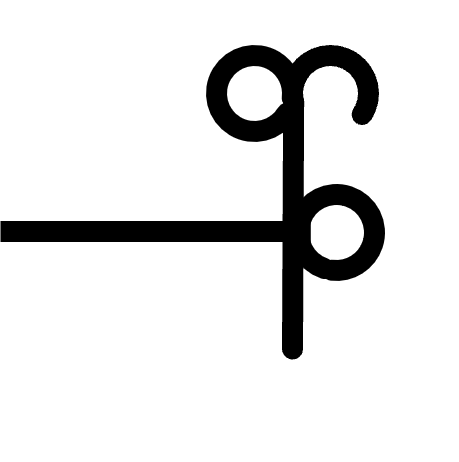
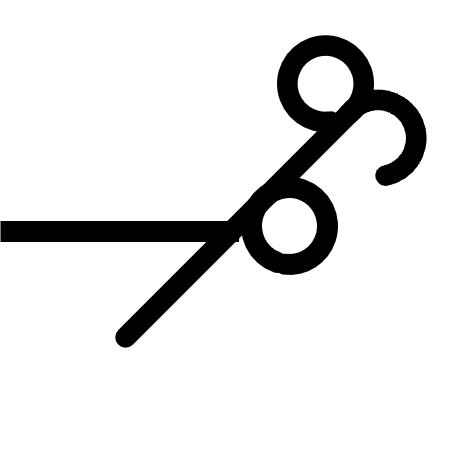
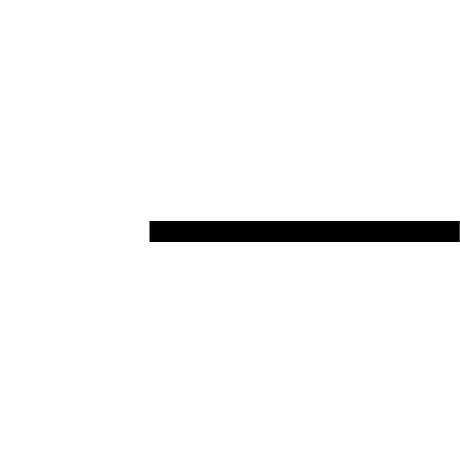
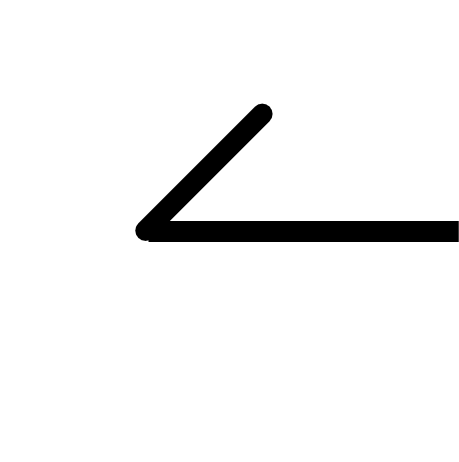
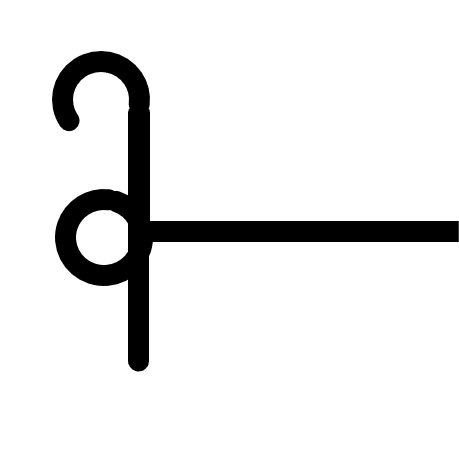
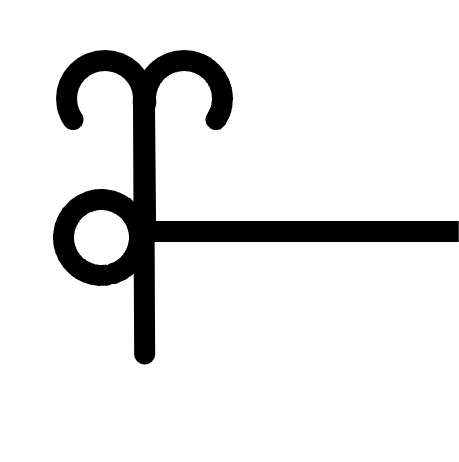
In terms of the written characters, the individual Components appear below, as described on page 387-388. Only the left and right ends of the characters are shown here; for the forty genera, see the General Scheme.
Pronunciation Guide

                                                                                                                                                                                                                                                                                                                                                                                                                                                                                                                                                                                                                                   
Vowels, Diphthongs, and Extended Vowels Consonants
Essay IPA Notes & Suggested Pronunciations in the Essay
(p. 363, 371)
Essay IPA Suggested Pronunciations in the Essay
αɒ"Rod"bb
aæ"Mat"dd
ee"Met"gg
iɪ"Mitten"pp
oo(No short form given, assumption)tt
ŏu"Boot", but shortenedckAs in "cold" (p. 369)
yʌ"Rudder"zz
yi"Bite"ss
"Owl"nn
αiɔɪ"Boy"vv
ai"Ay", assumed as "Eh", given that "aɪ" is already used in "Bite"dhð"Thee" (p. 368)
eiɪə(Not given in text, assumed pronunciation using other diphthongs)dzh"Ginger" (p. 417)
ii"Ye"ff
oi(Not given in text, assumed pronunciation using other diphthongs)thθ"Think" (p. 368)
ŏiʊə(Not given in text, assumed pronunciation using other diphthongs)tsh"Charity" (p. 417)
yi"Bite" (but possibly incorrect, as "yi" already exists as a standard vowel)zhʒ"Jean" in French (p. 369)
yiiajɪ(Not given in text, derived from "ii")shʃ
yŏijʊə(Not given in text, assumed pronunciation using other diphthongs)ngŋFirst syllable in "Angus" (p. 367)
άɒ:(Accented vowels are pronounced long)
őu:("ő" has been used to represent the acceted "ŏ")

Difference (the Front of the Character)

Concrete / Abstract Neutral / Active / Passive Normal / Opposition Genus 1 2 3 4 5 6 7 8 9
Concrete Neutral Normal
Opposition
Active Normal
Opposition
Passive Normal
Opposition
Abstract Neutral Normal
Opposition
Active Normal
Opposition
Passive Normal
Opposition

Species (the End of the Character)

Substantive / Adjective / Adverb Singular / Plural Normal / Affinity Genus / Difference 1 2 3 4 5 6 7 8 9
Substantive Singular Normal
Affinity
Plural Normal
Affinity
Adjective Singular Normal
Affinity
Plural Normal
Affinity
Adverb Singular Normal
Affinity
Plural Normal
Affinity

Marks for Double Opposites

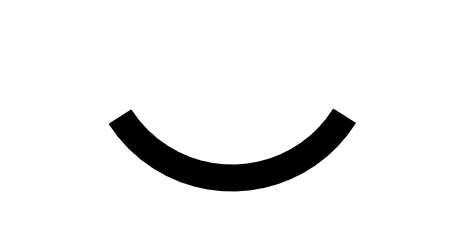
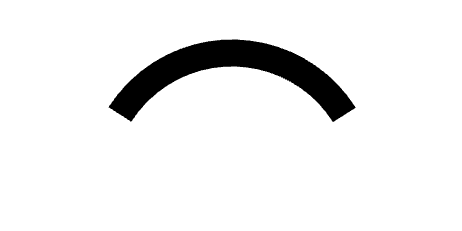
Double Opposition by Excess (above the character)
Double Opposition by Defect (below the character)

Created by Aidan Wakely-Mulroney

© All rights reserved, May 2026.