The Universal Language of John Wilkins:
Guide to the Real Characters
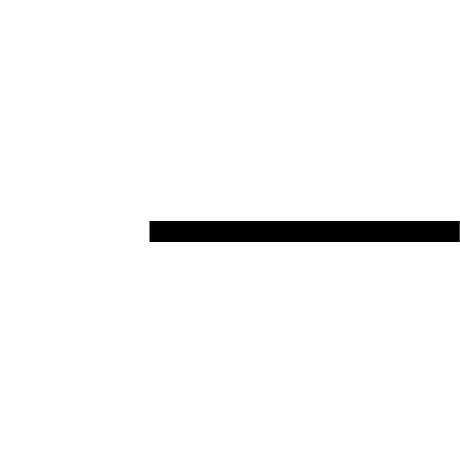
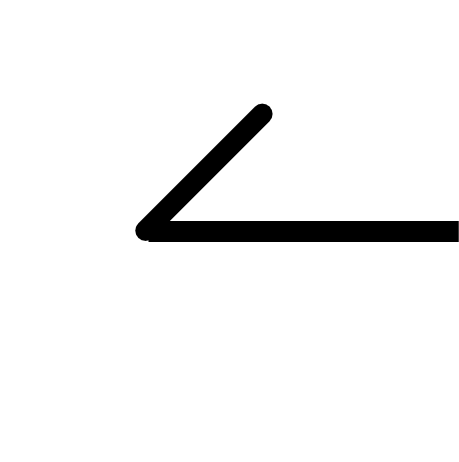
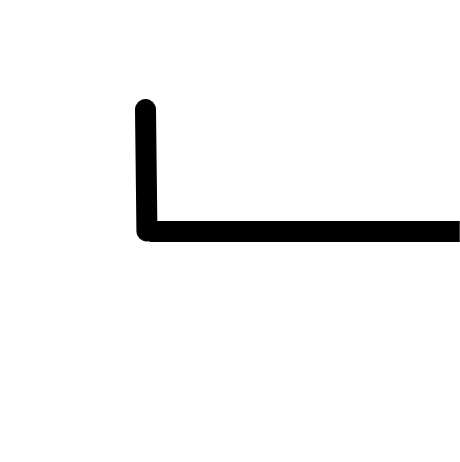
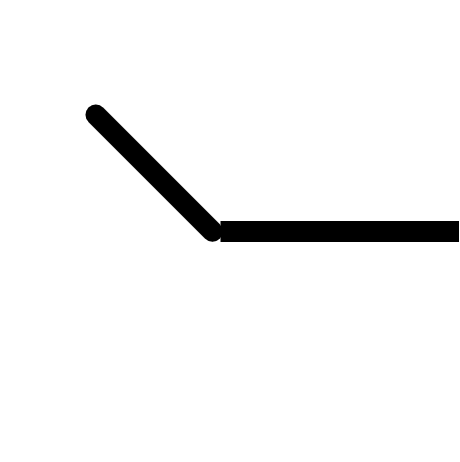
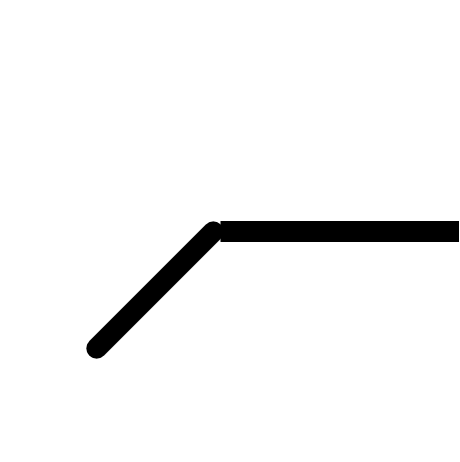
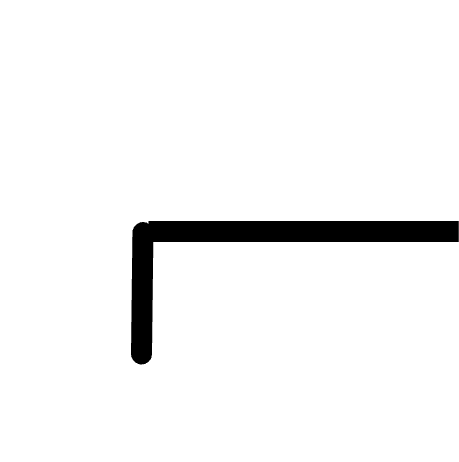
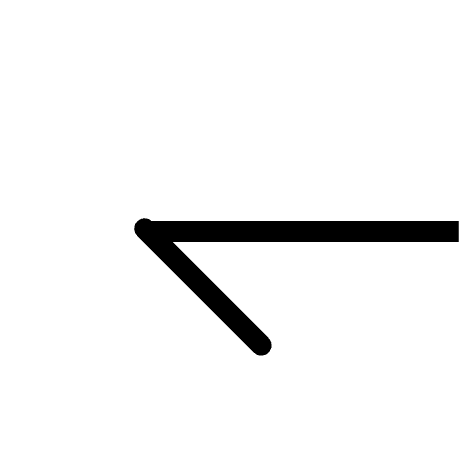
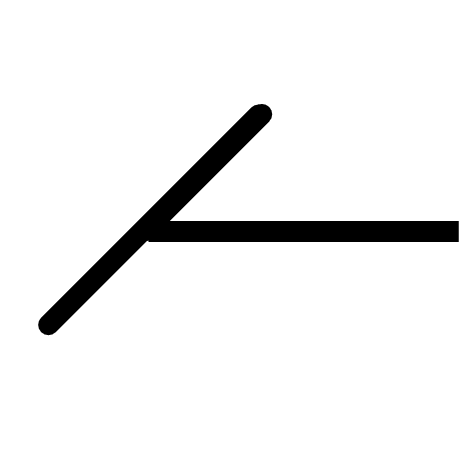
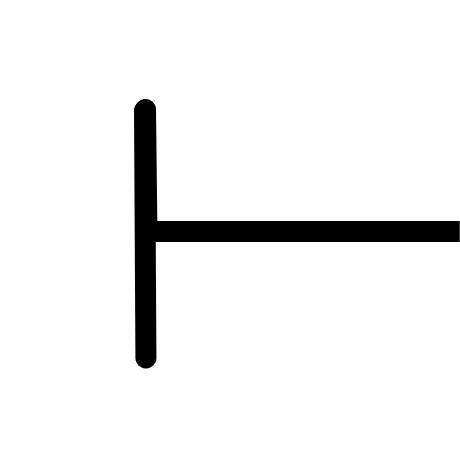
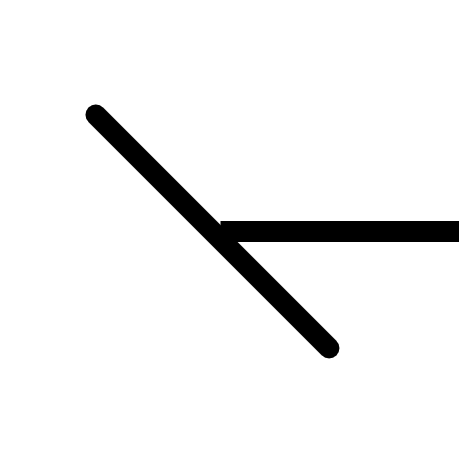
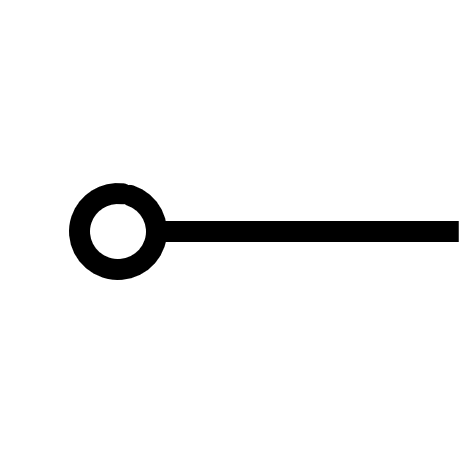
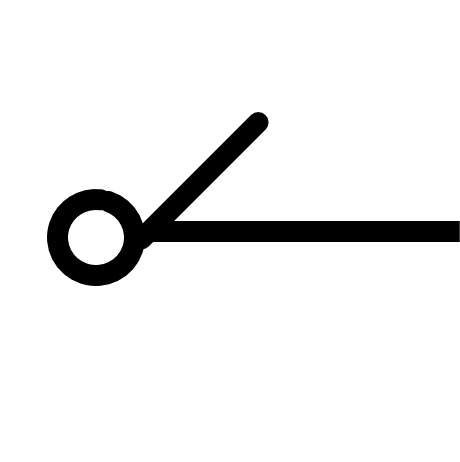
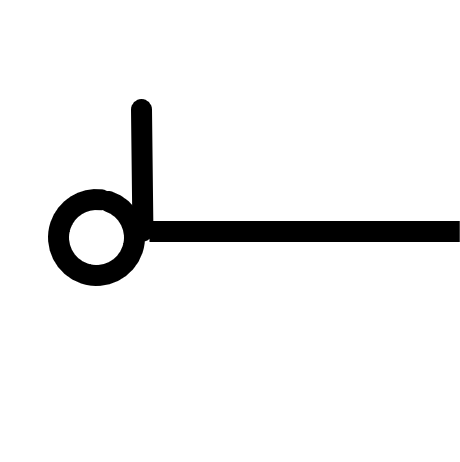
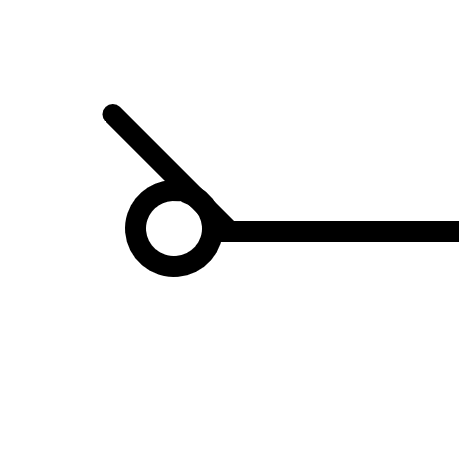
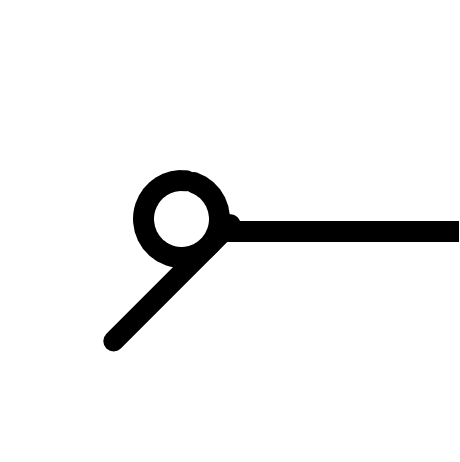
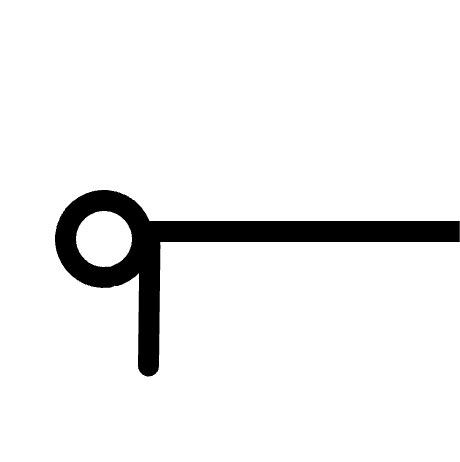
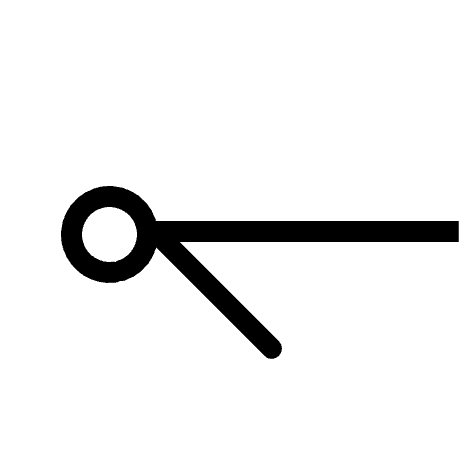
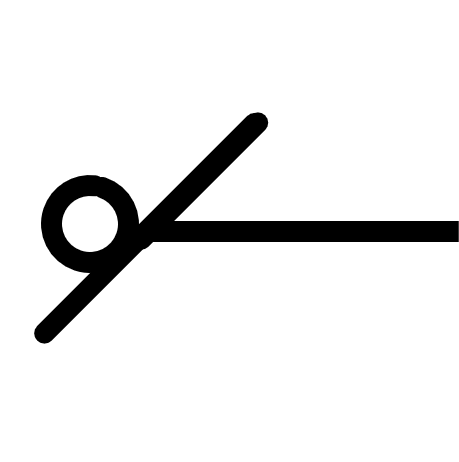
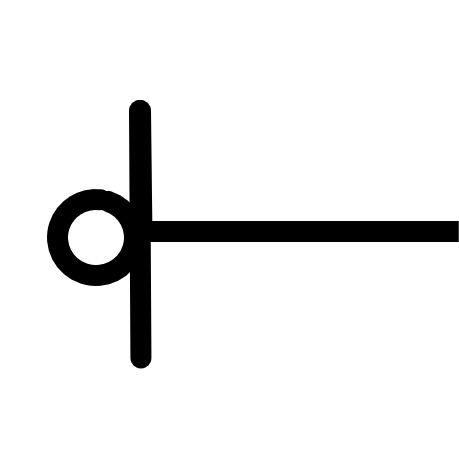
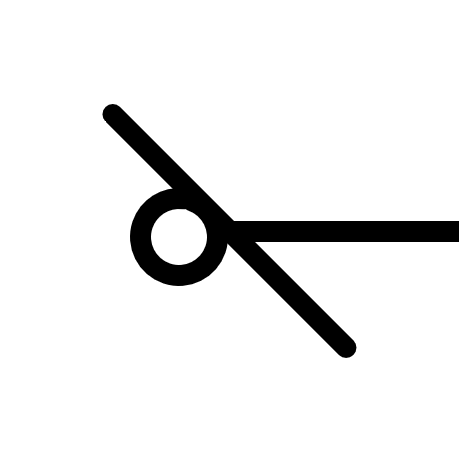
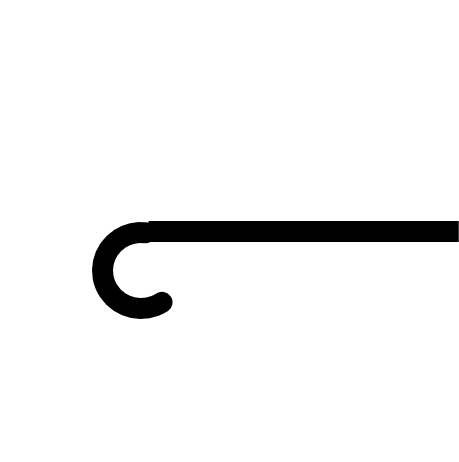
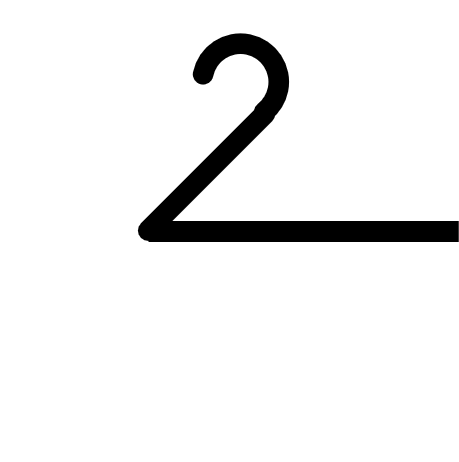
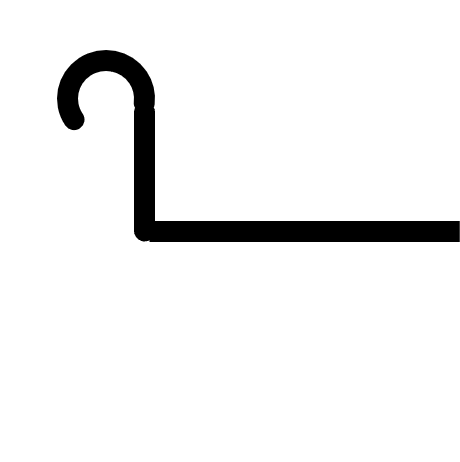
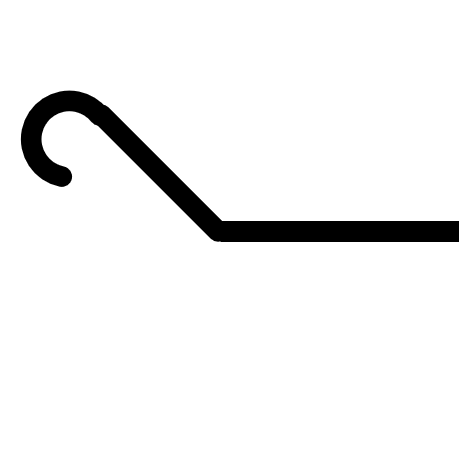
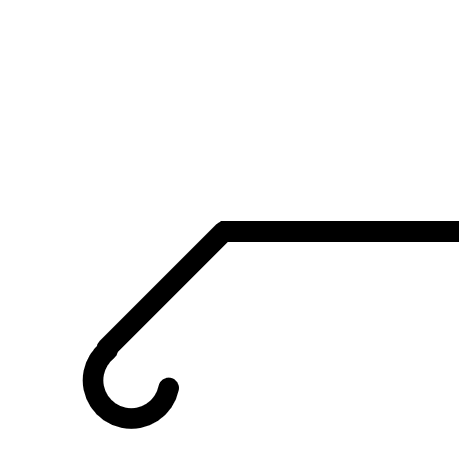
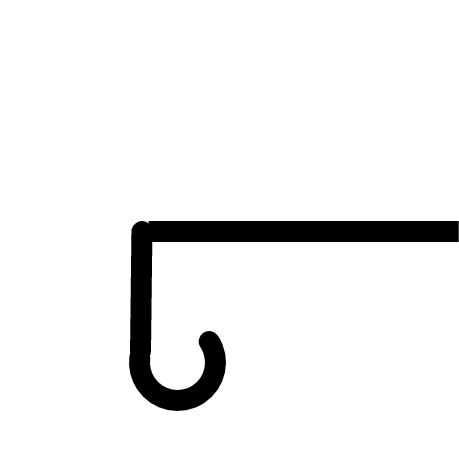
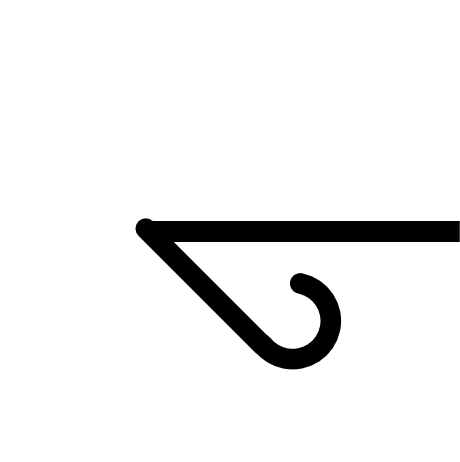
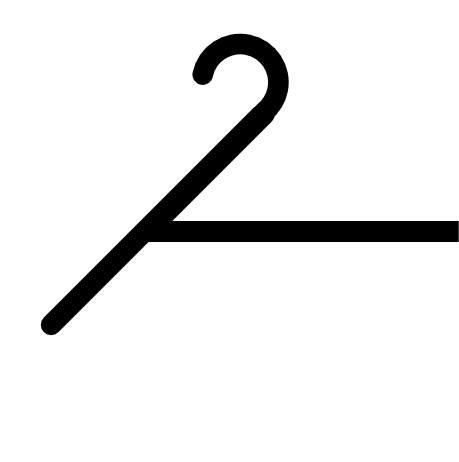
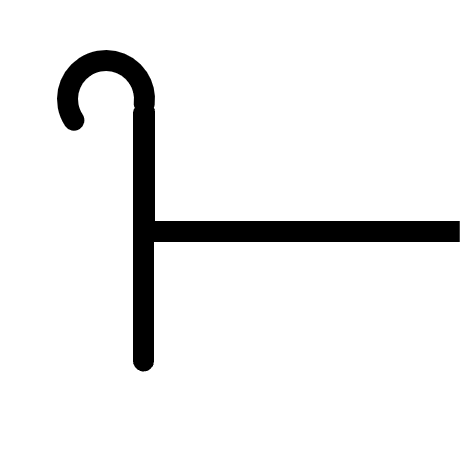
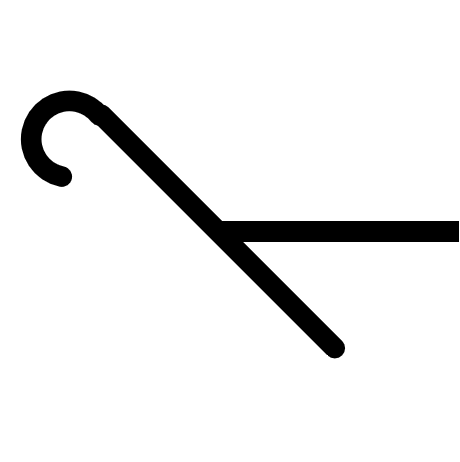
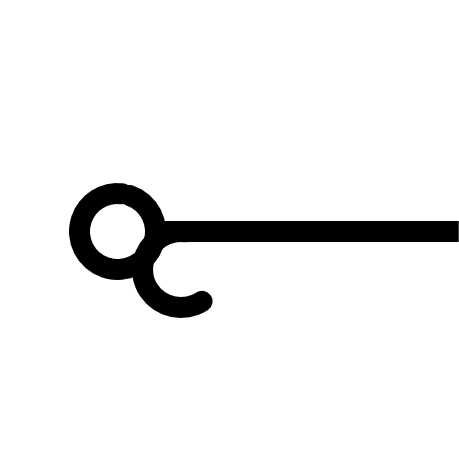
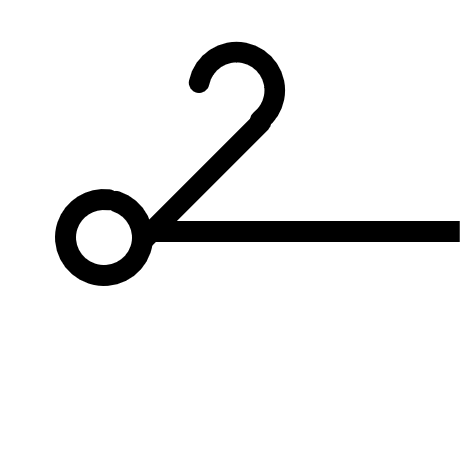
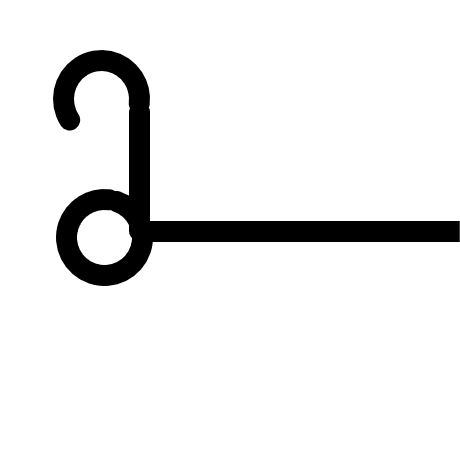
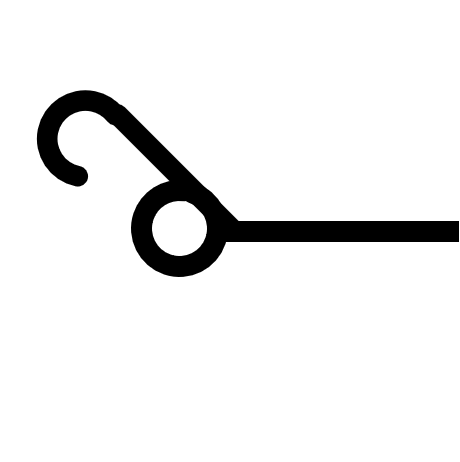
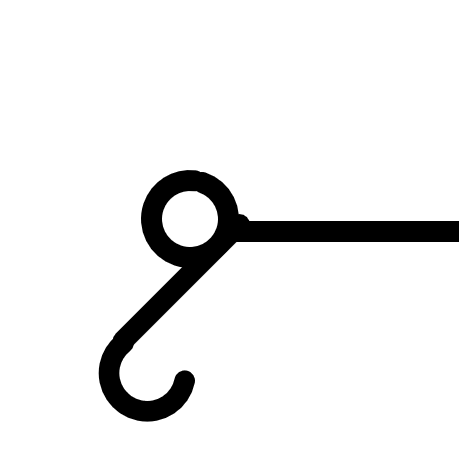
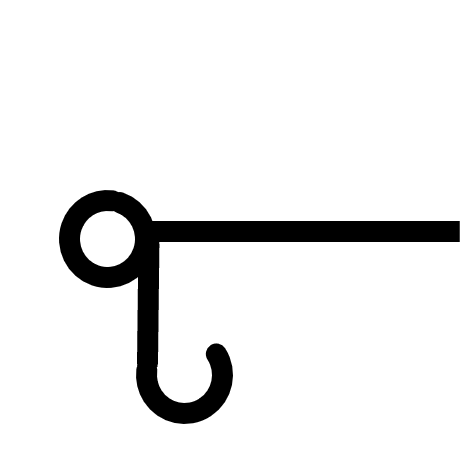
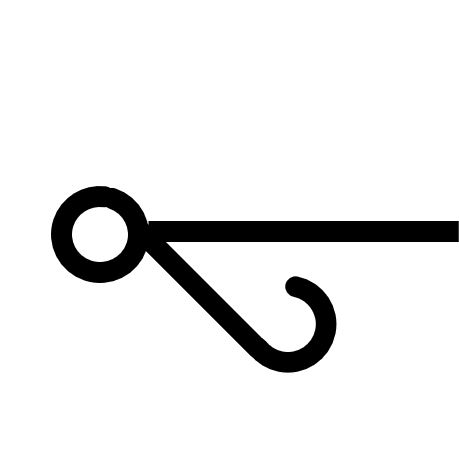
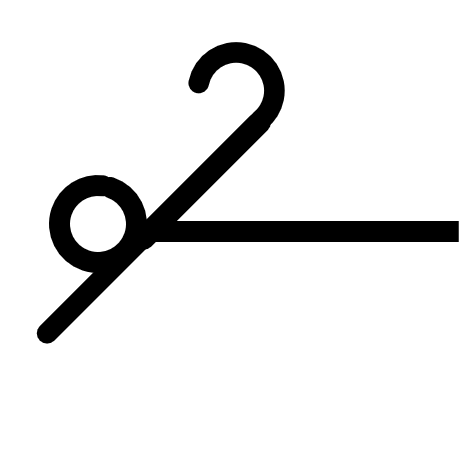
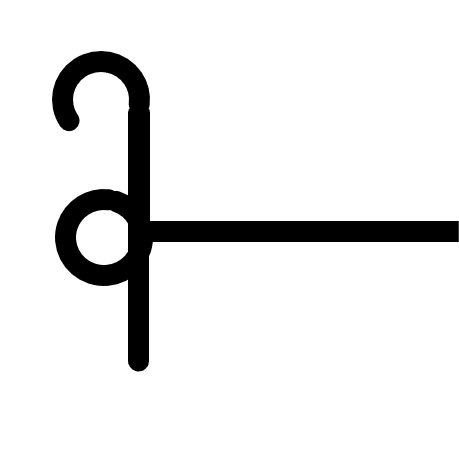
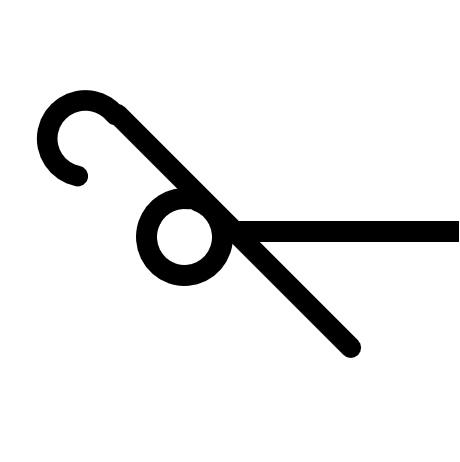
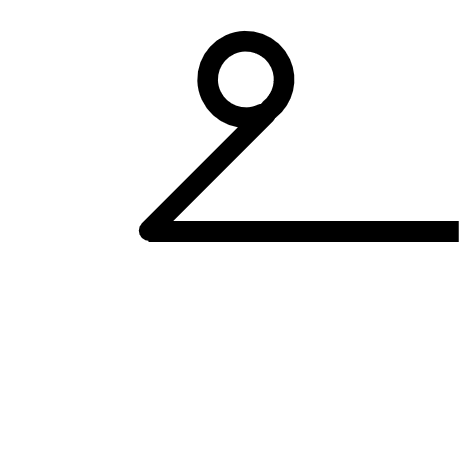
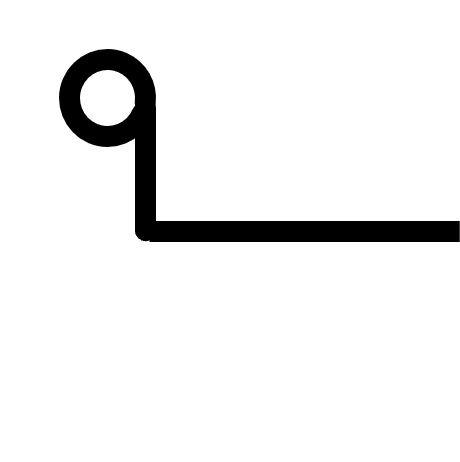
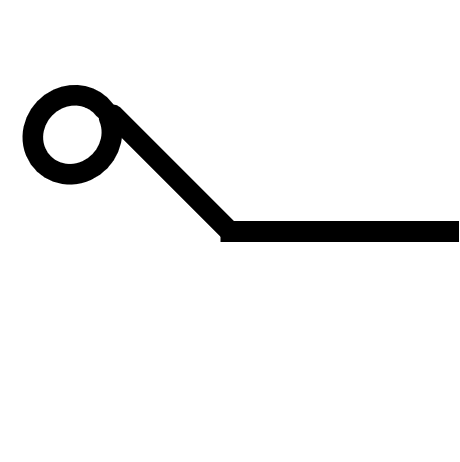
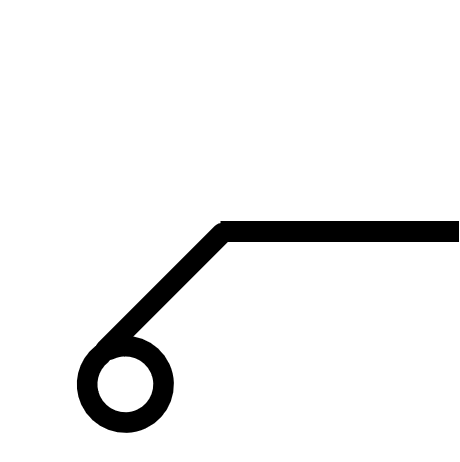
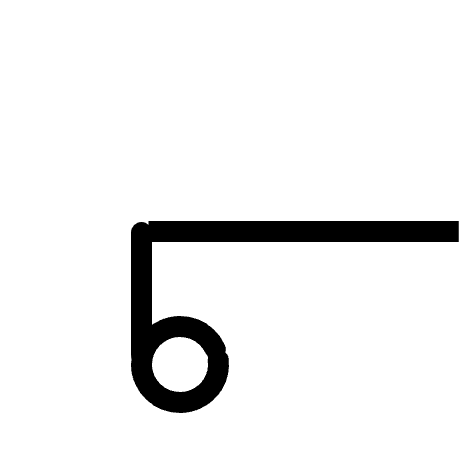
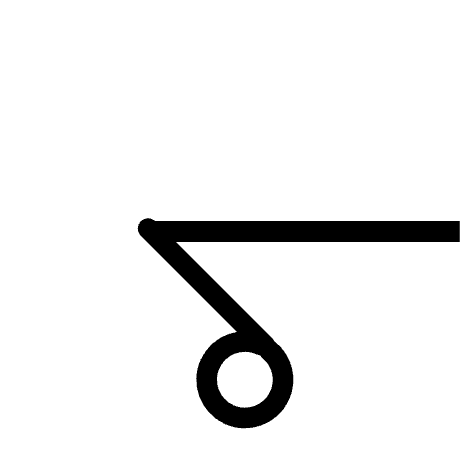
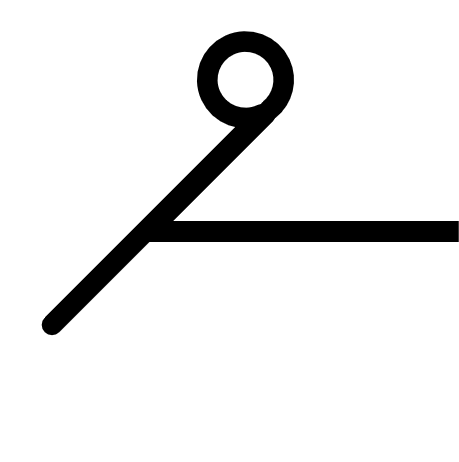
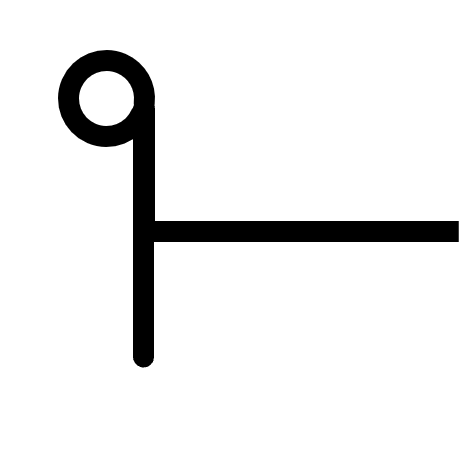
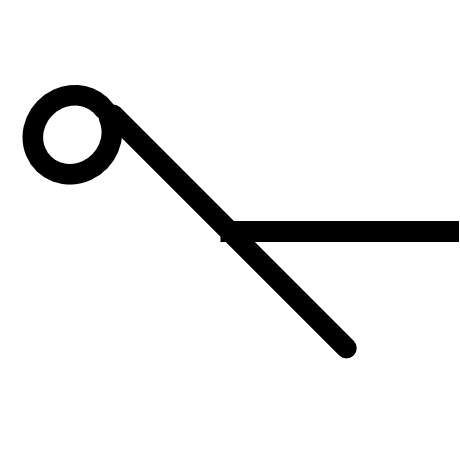
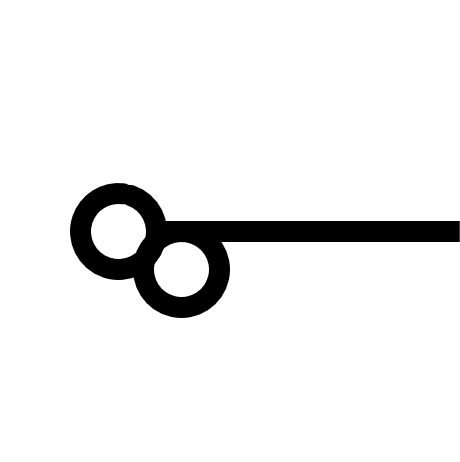
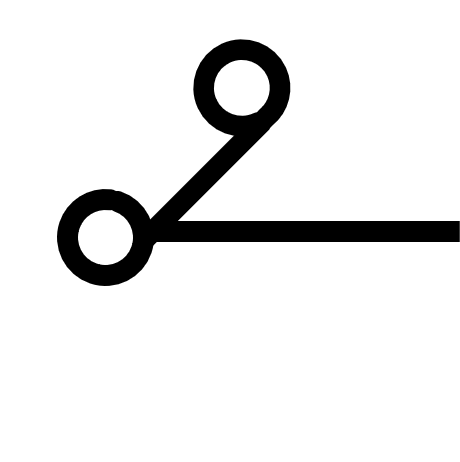
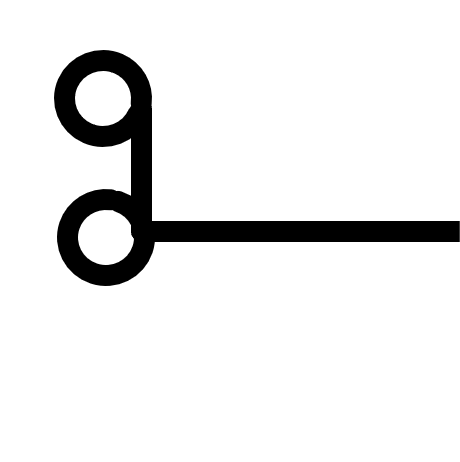
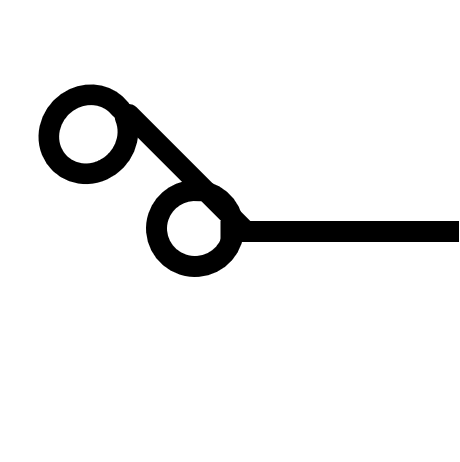
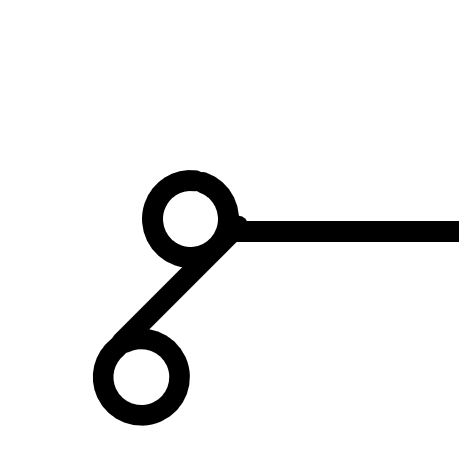
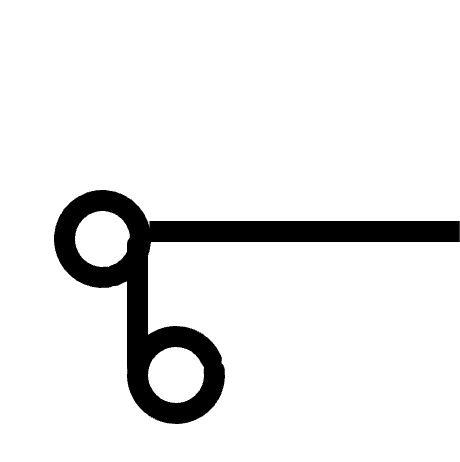
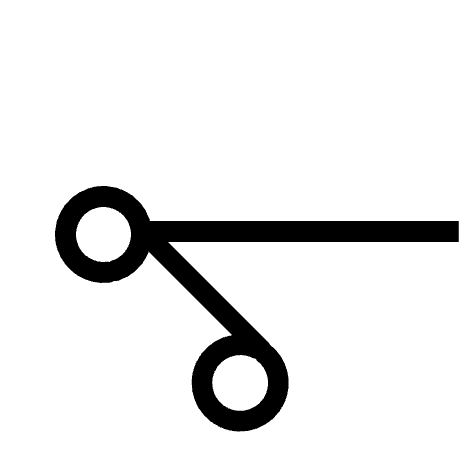
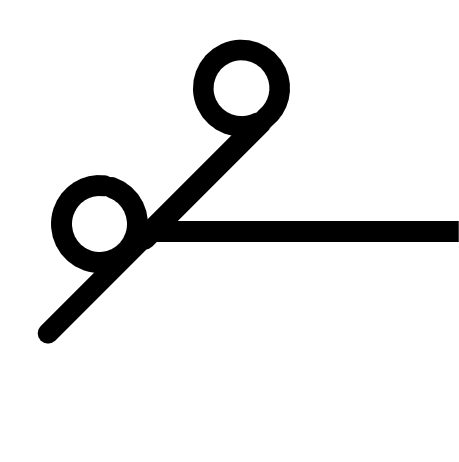
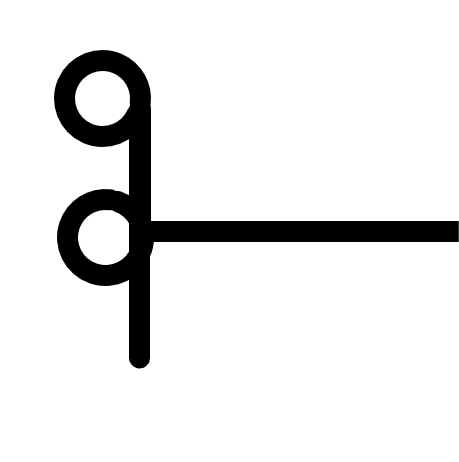
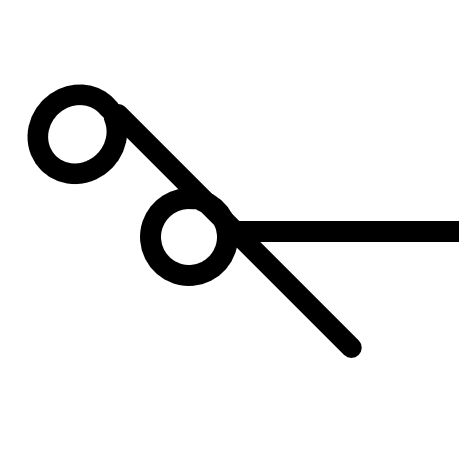
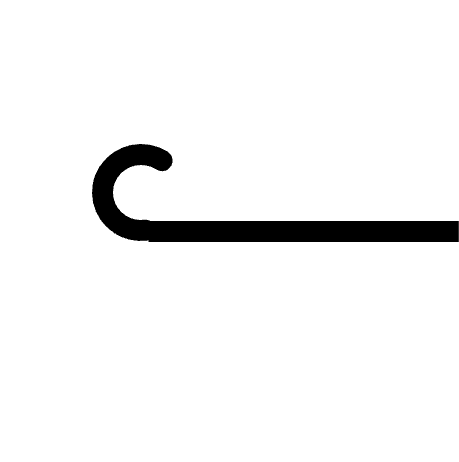
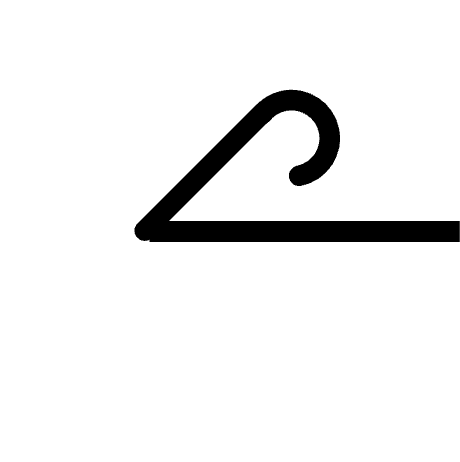
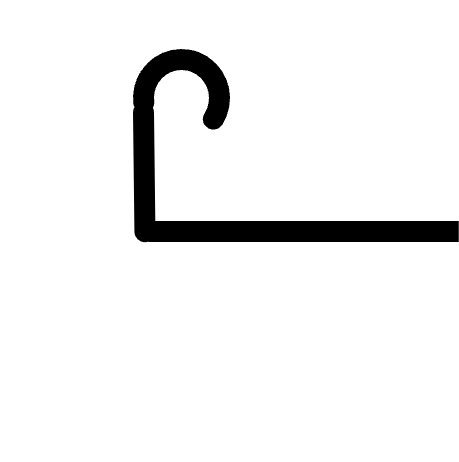
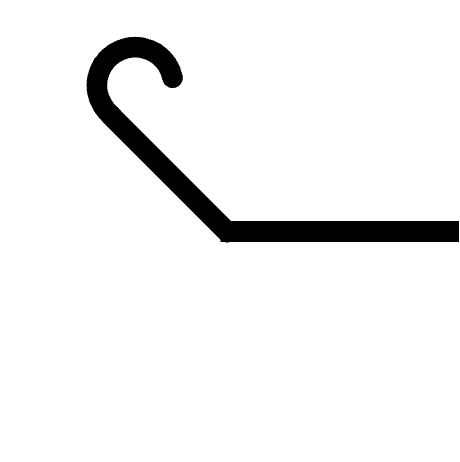
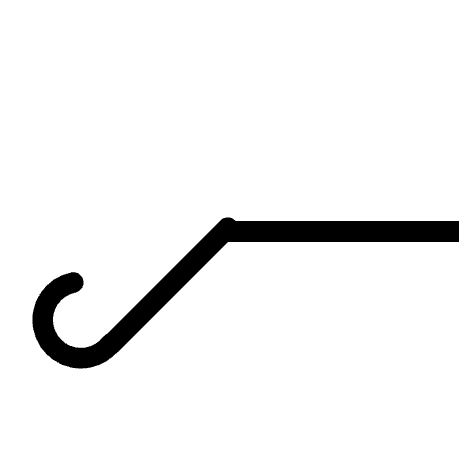
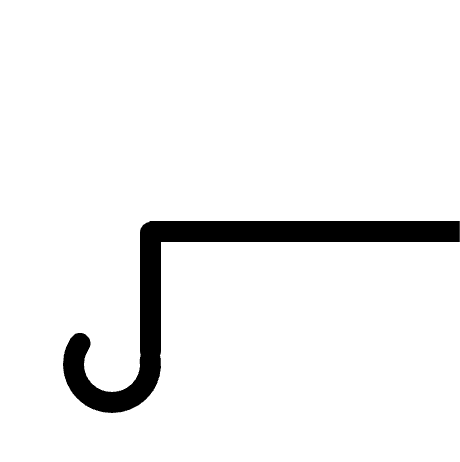
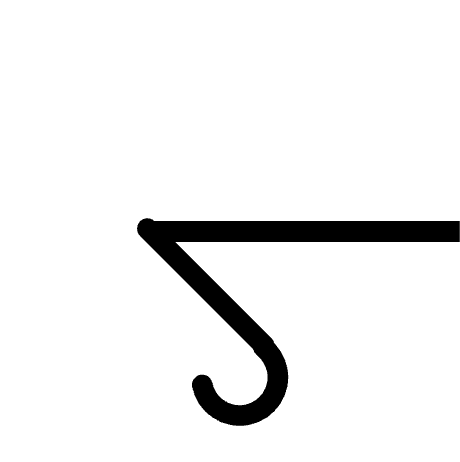
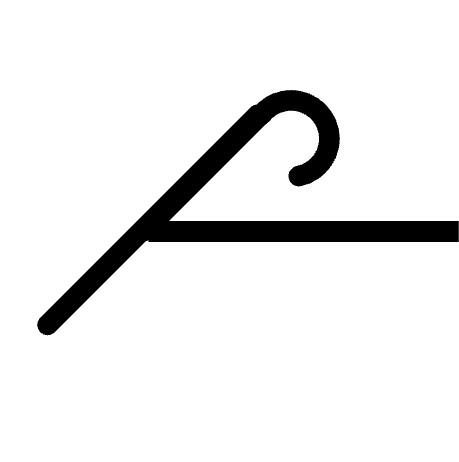
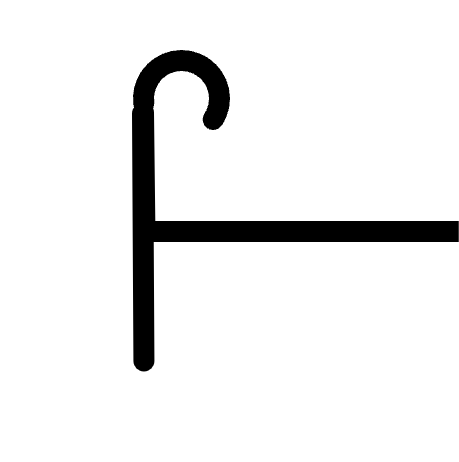
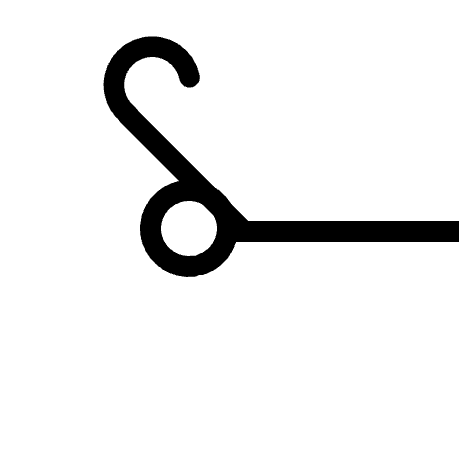
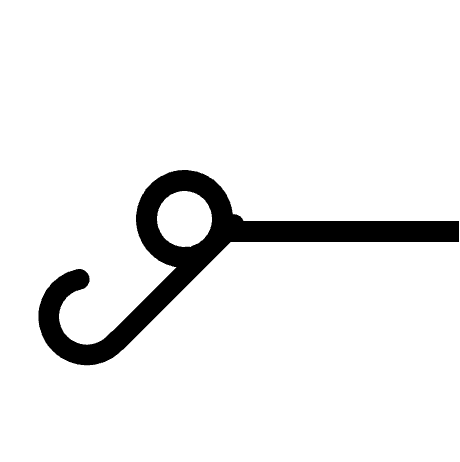
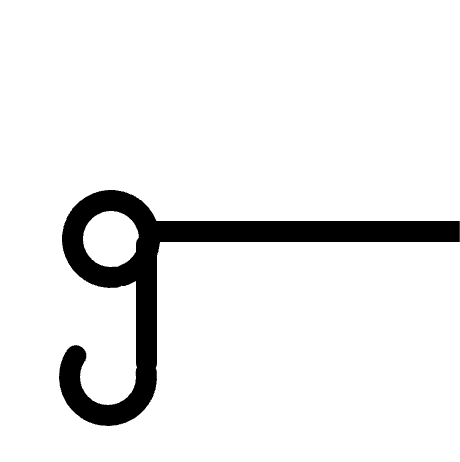
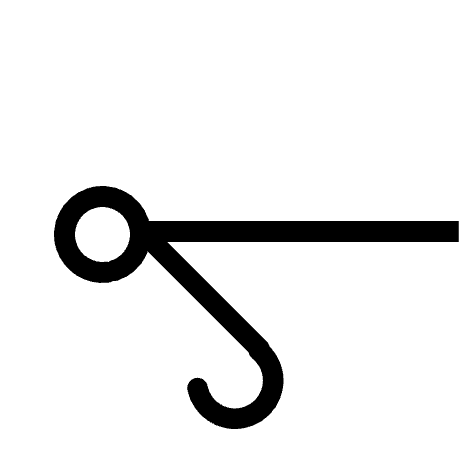
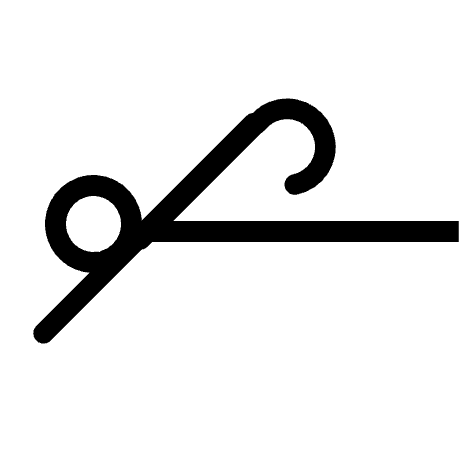
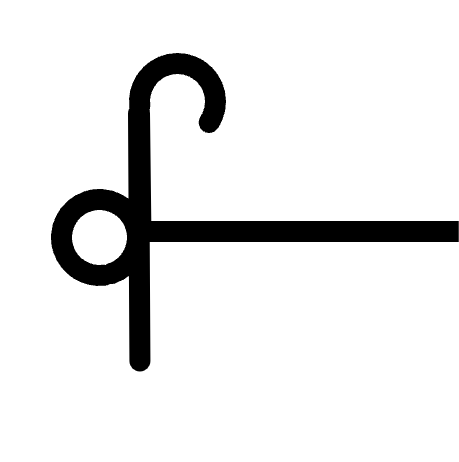
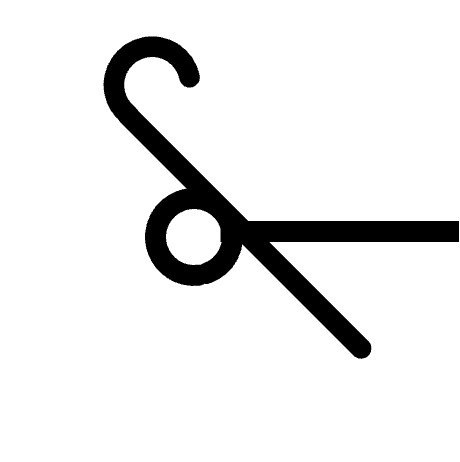
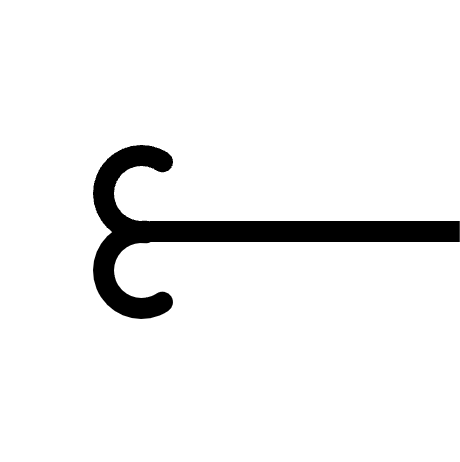
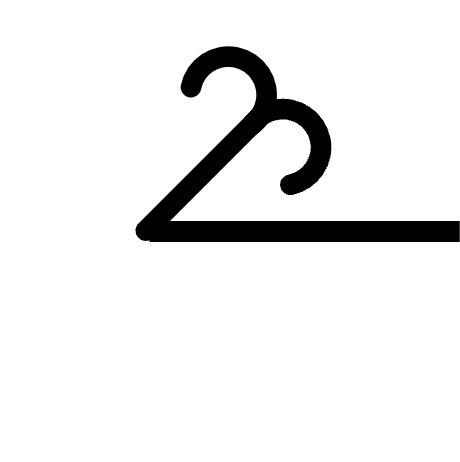
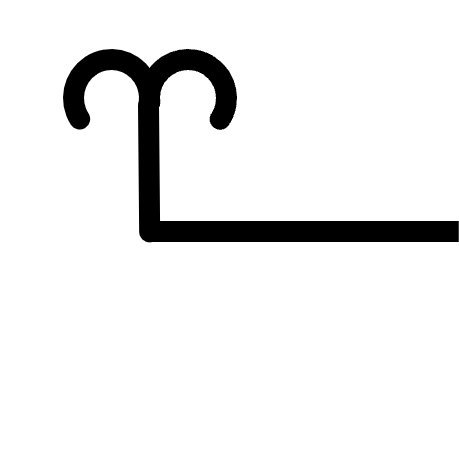
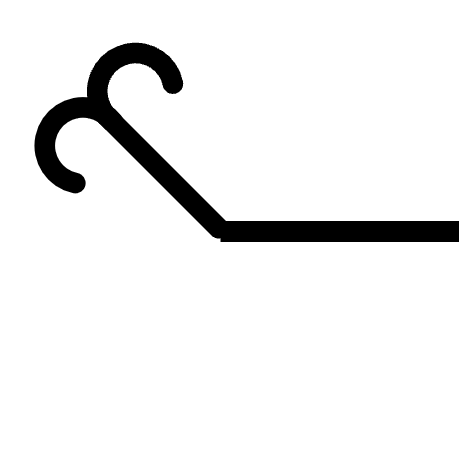
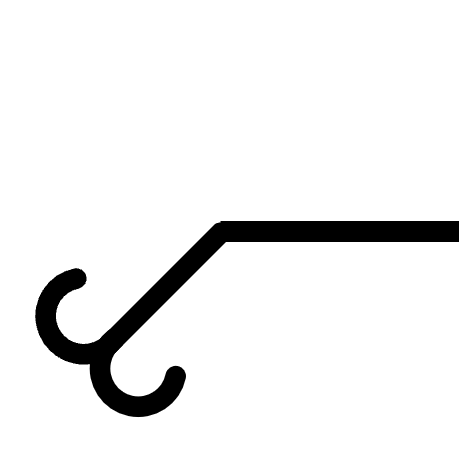
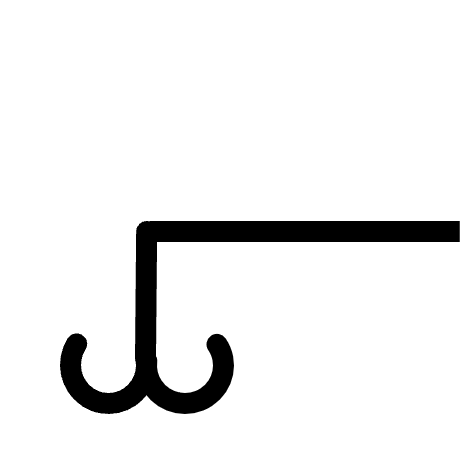
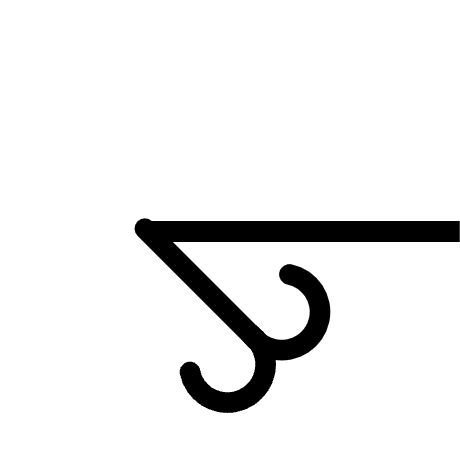
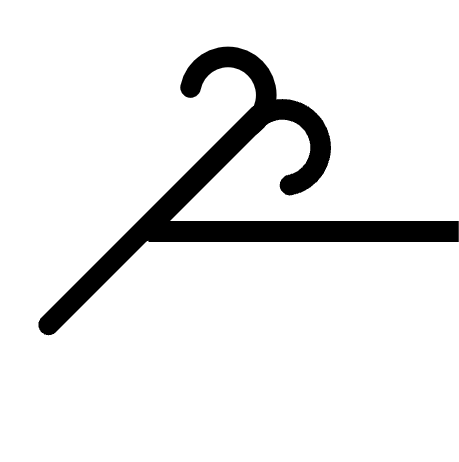
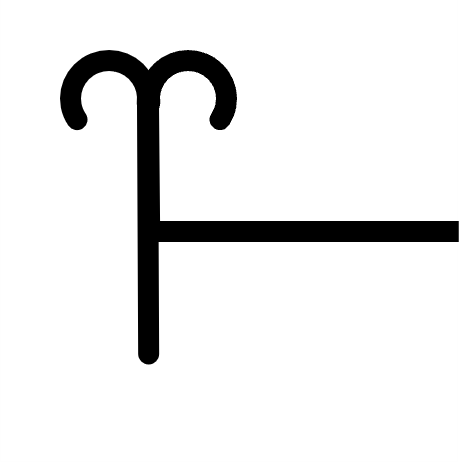
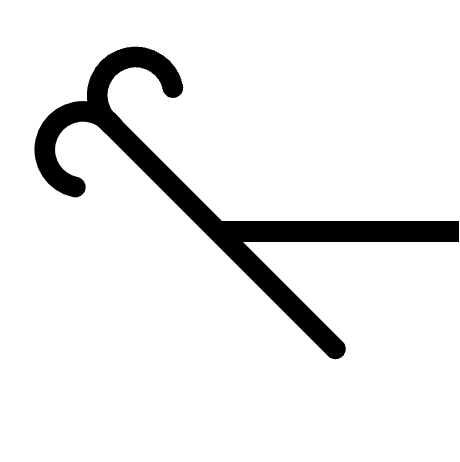
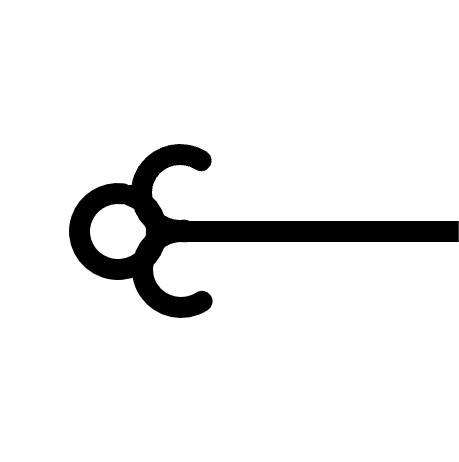
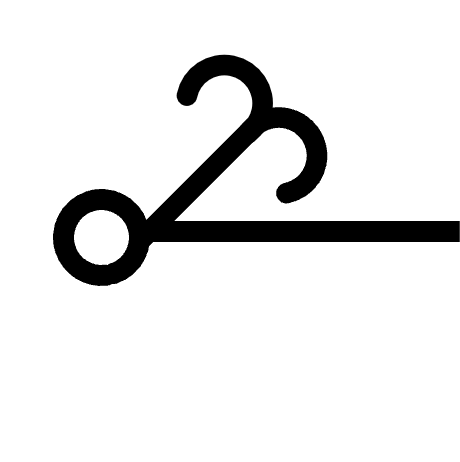
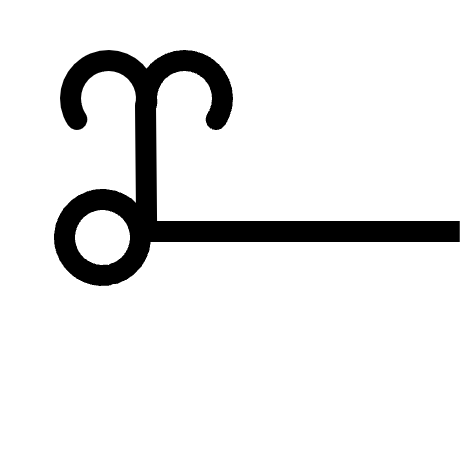
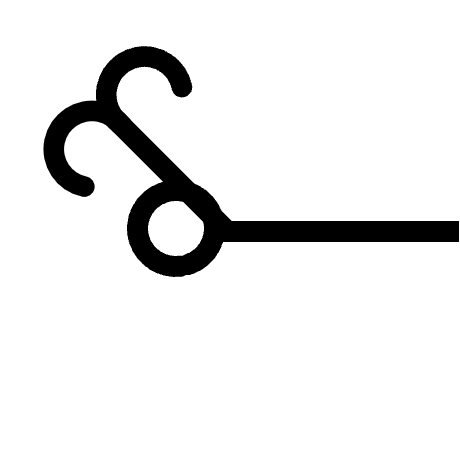
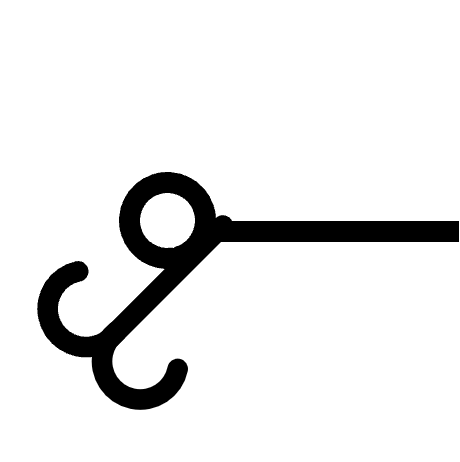
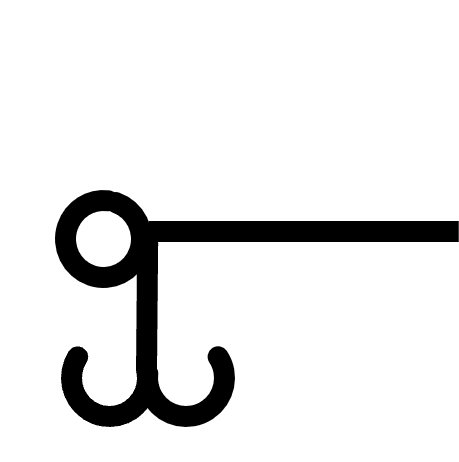
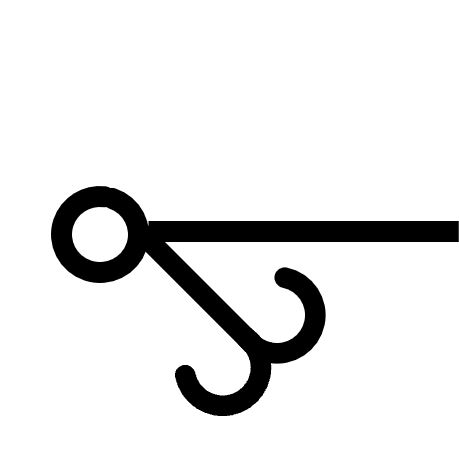
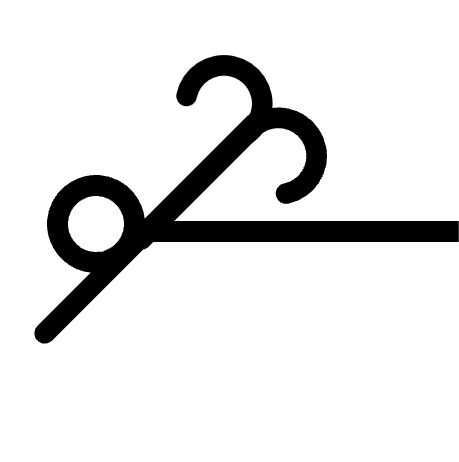
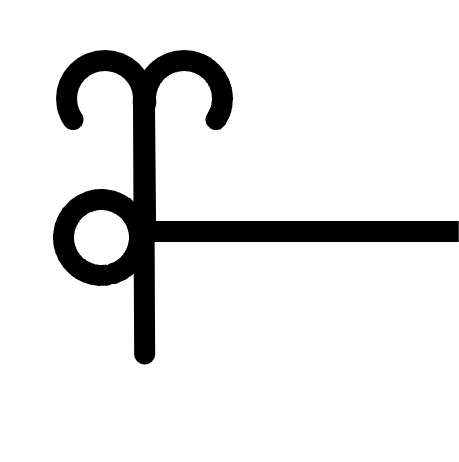
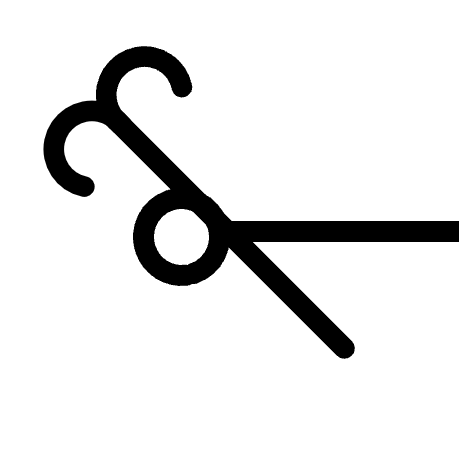
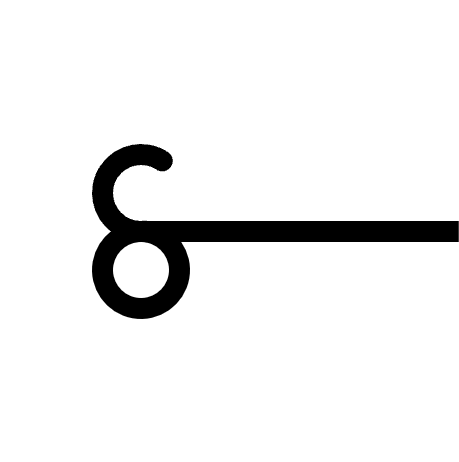
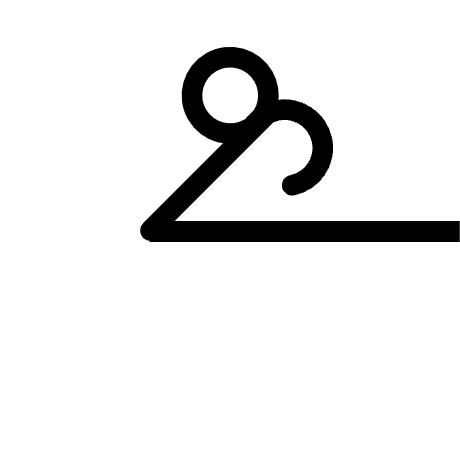
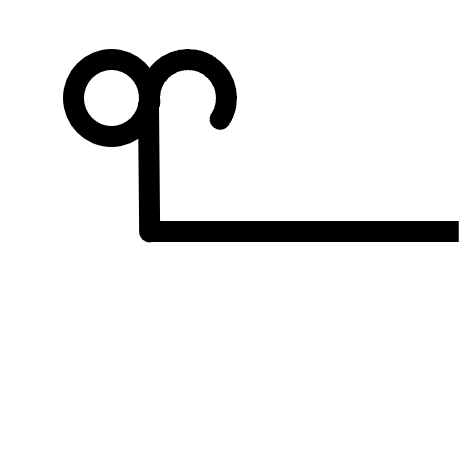
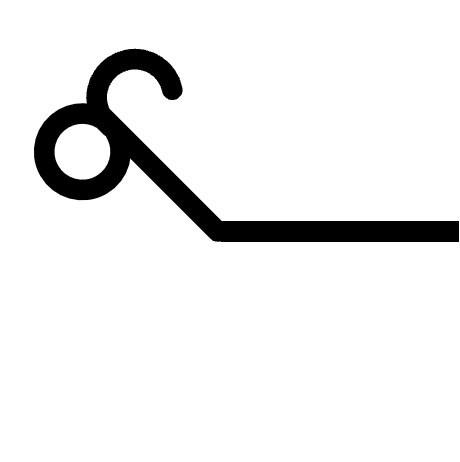
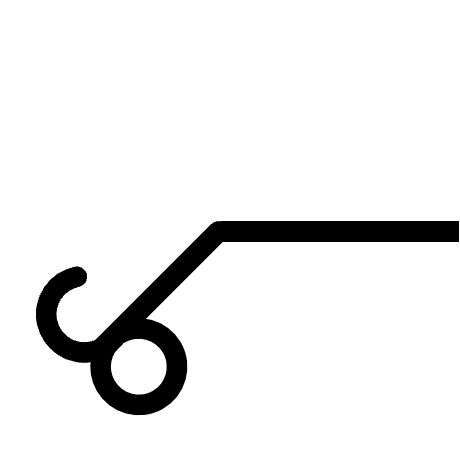
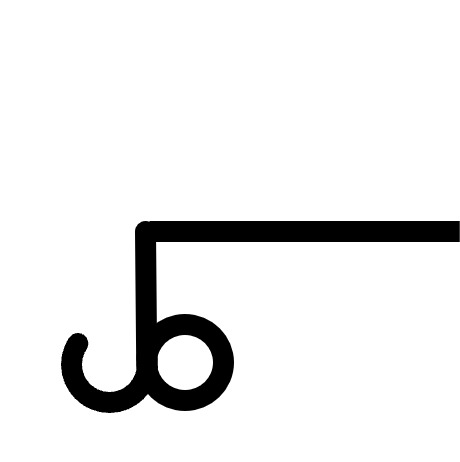
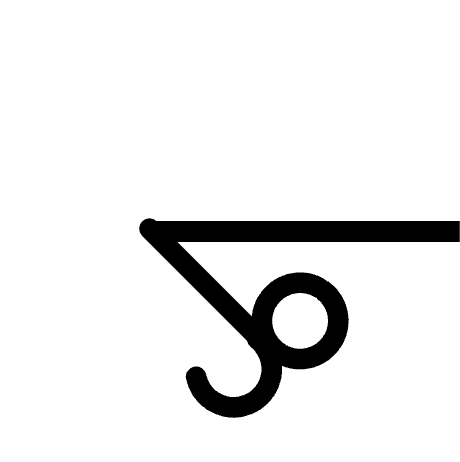
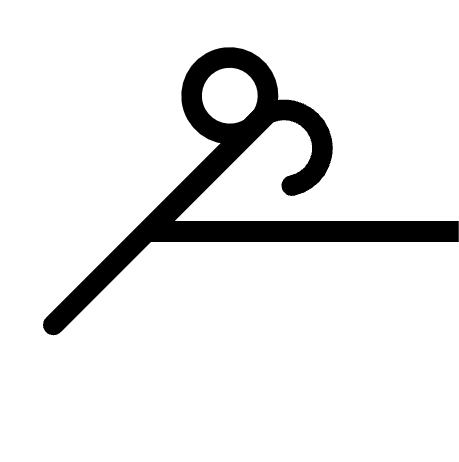
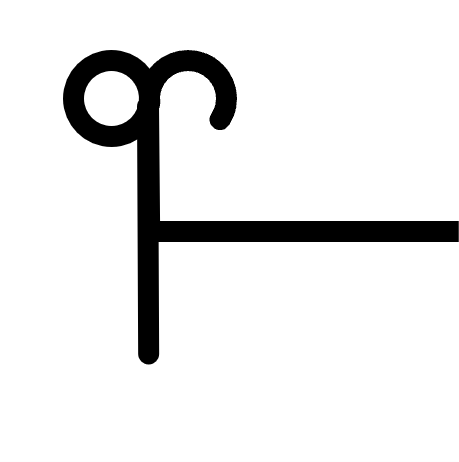
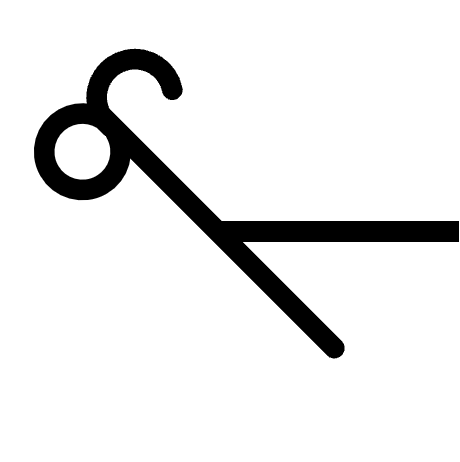
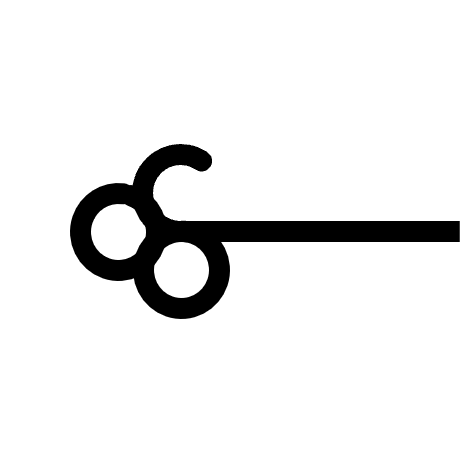
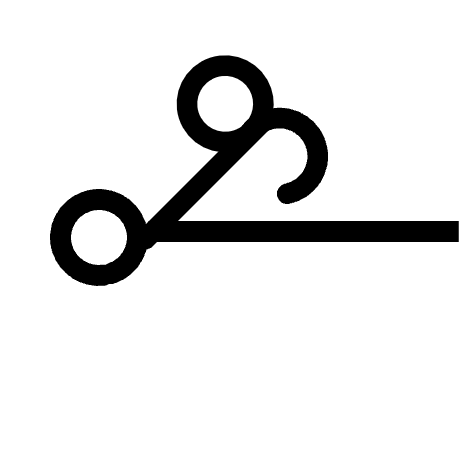
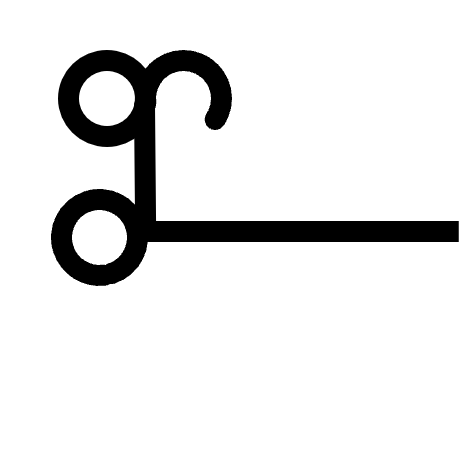
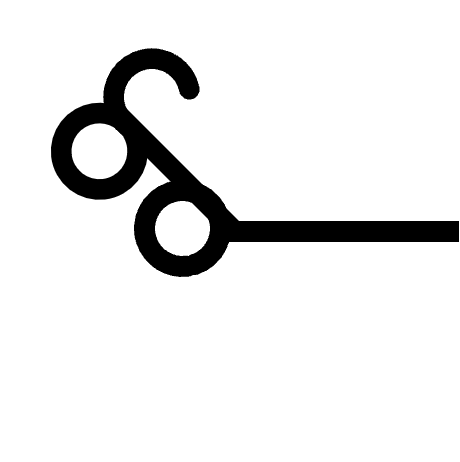
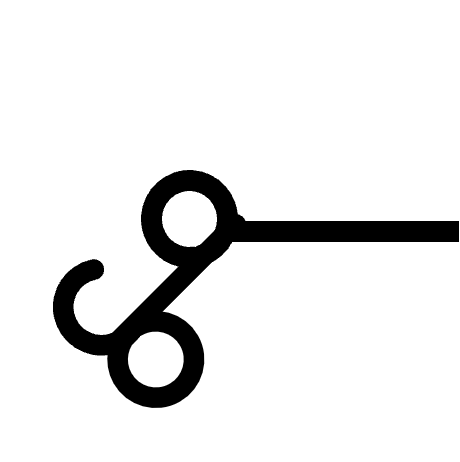
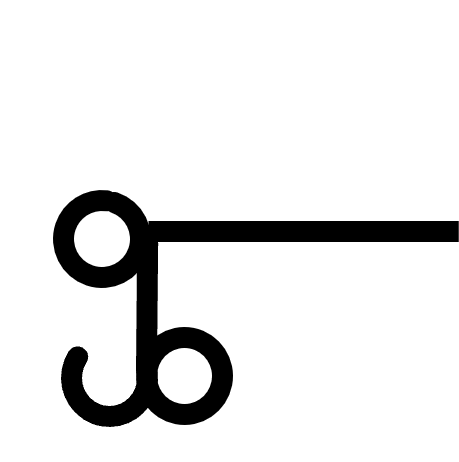
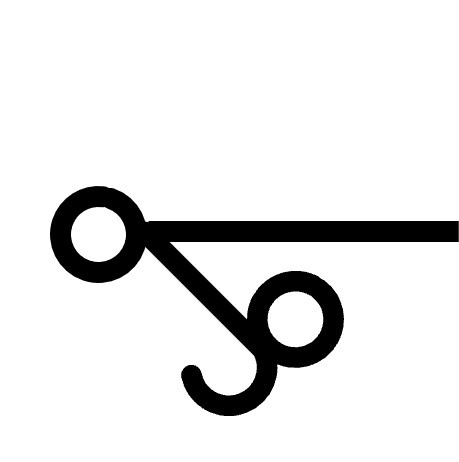
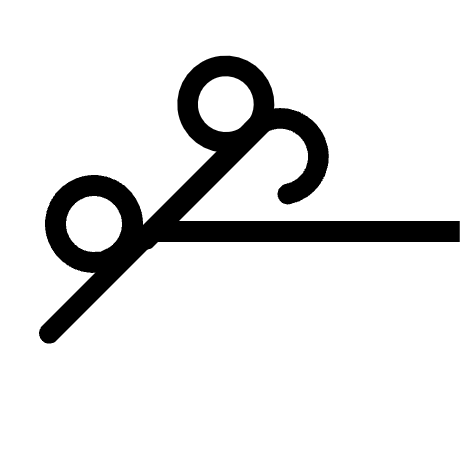
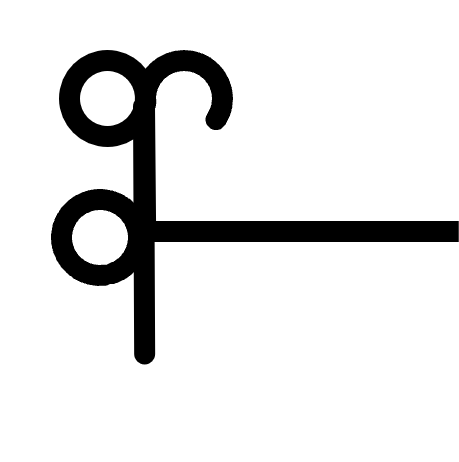
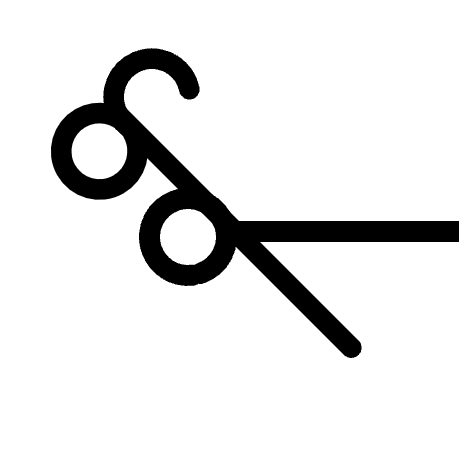
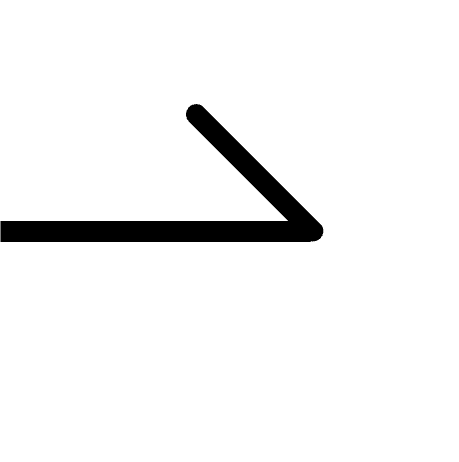
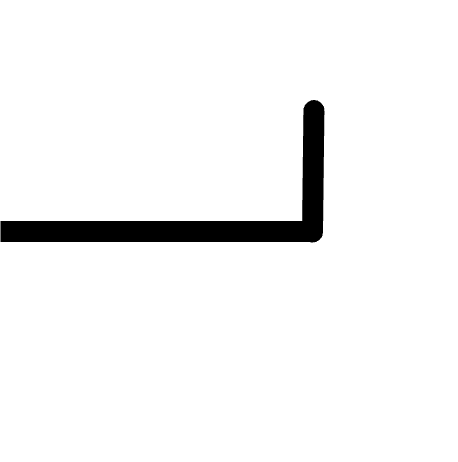
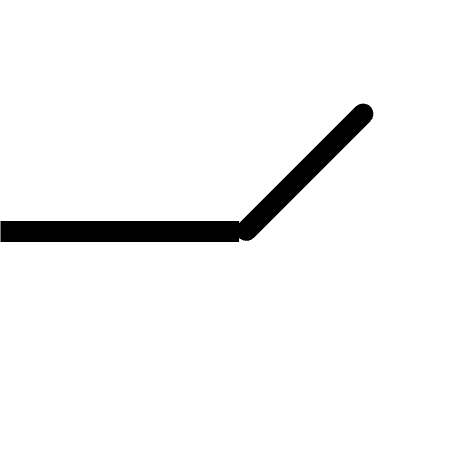
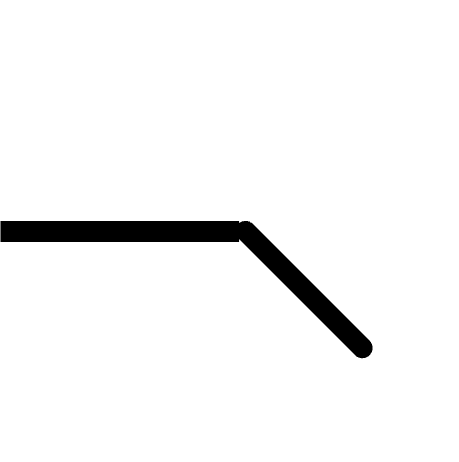
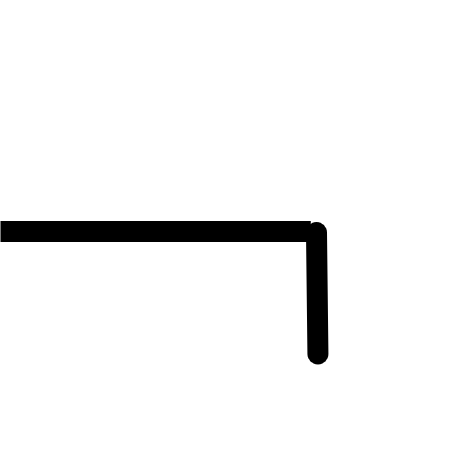
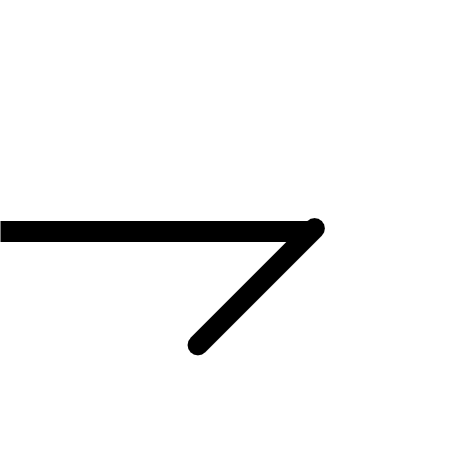
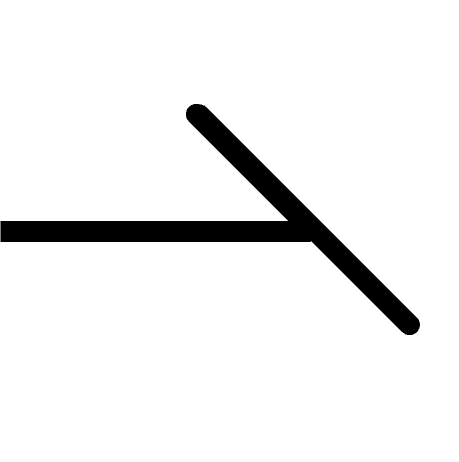
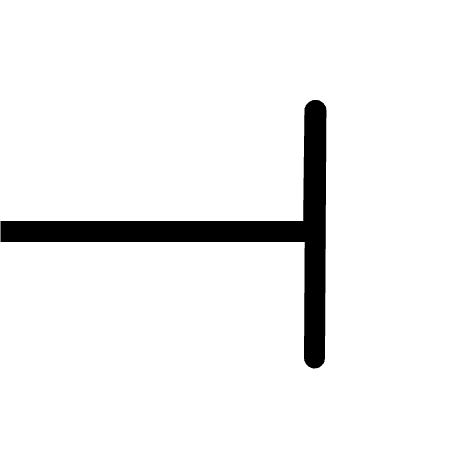
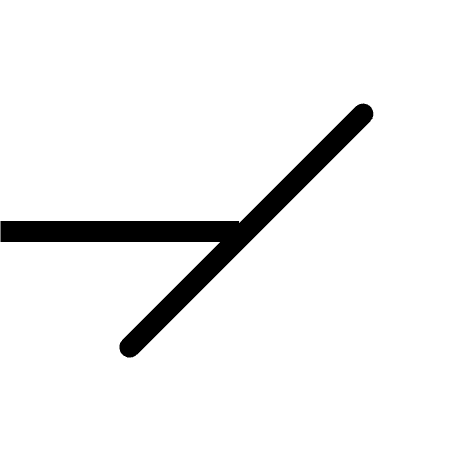
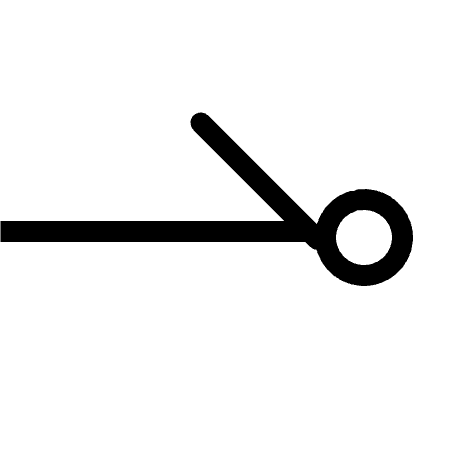
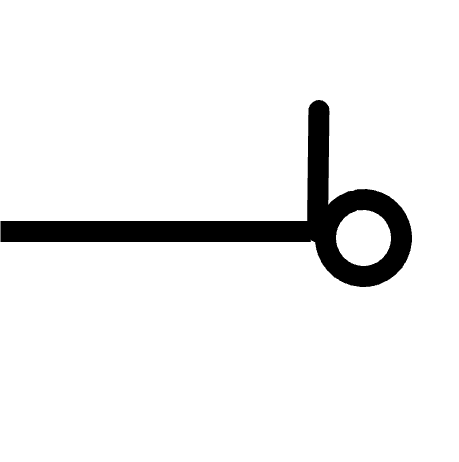
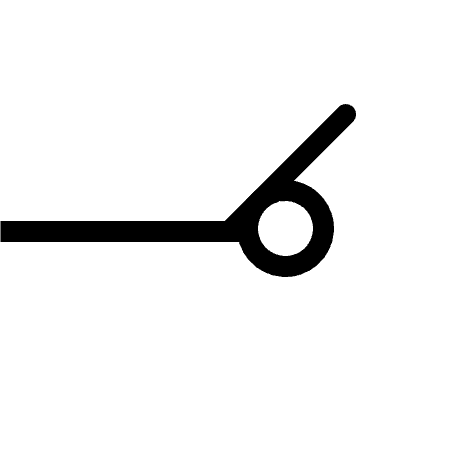
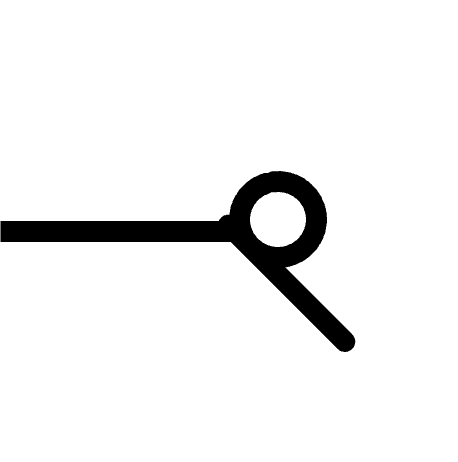
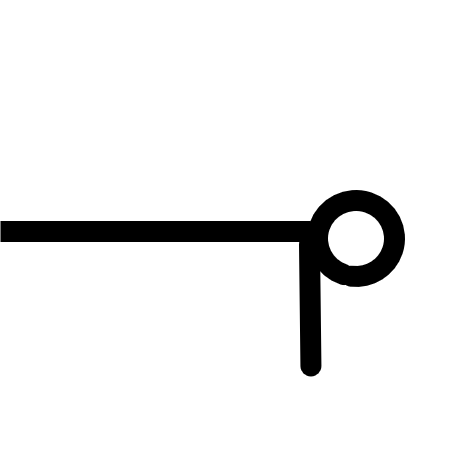
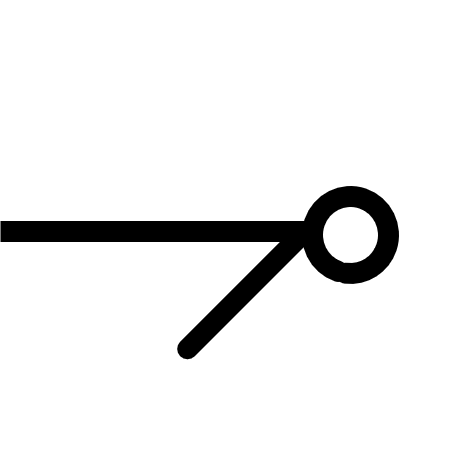
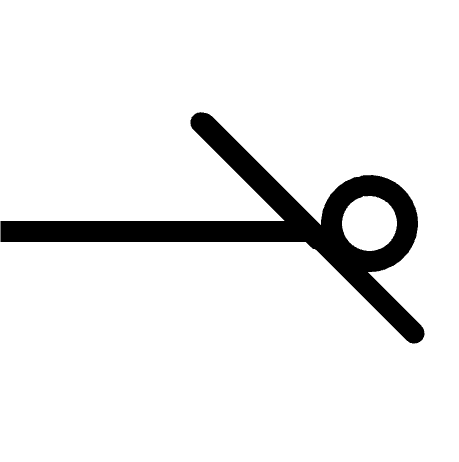
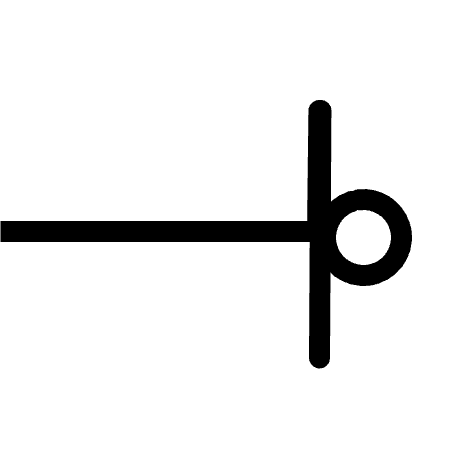
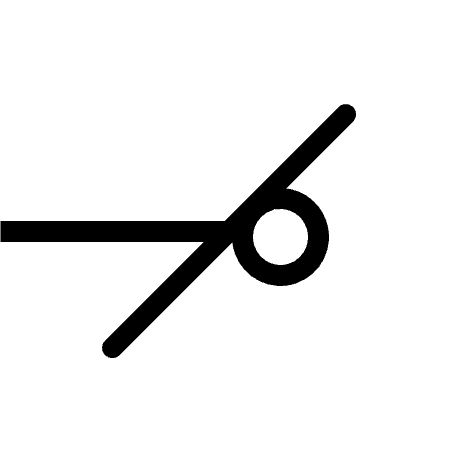
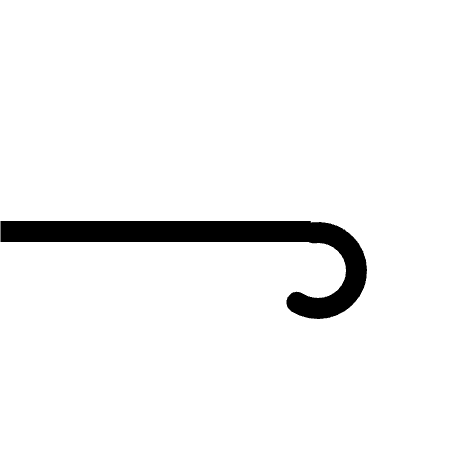
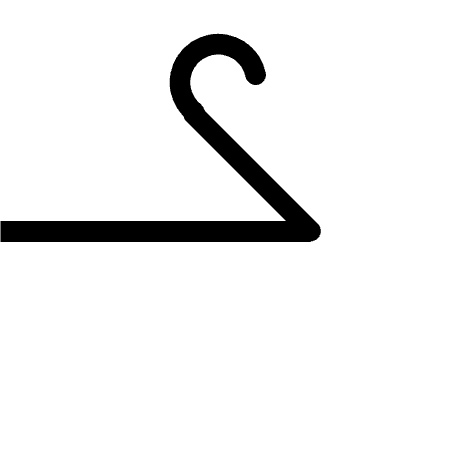
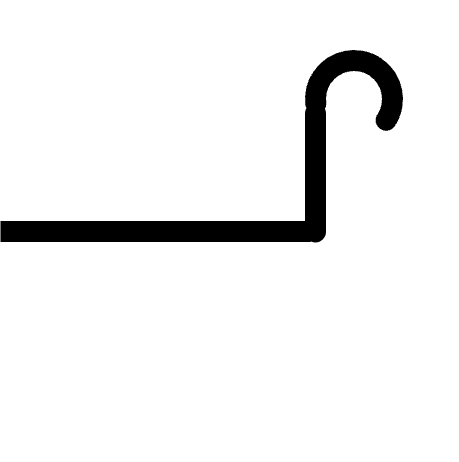
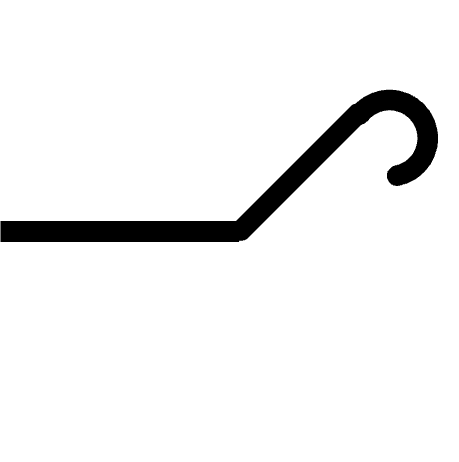
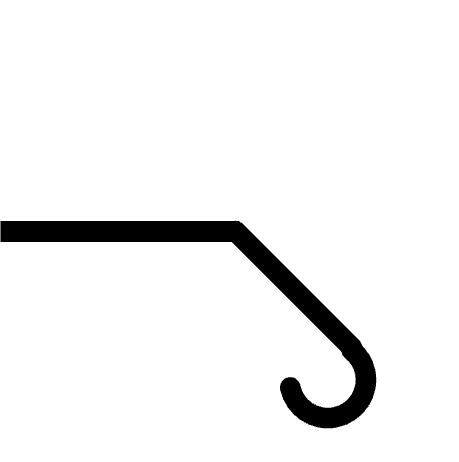
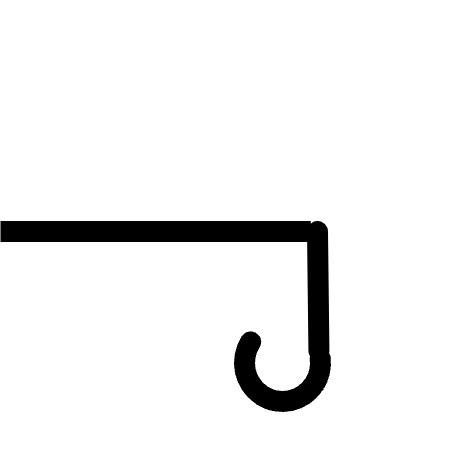
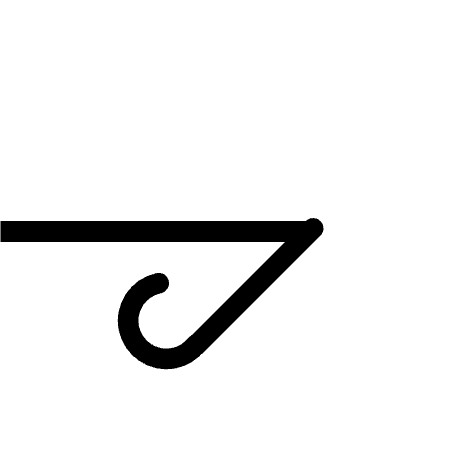
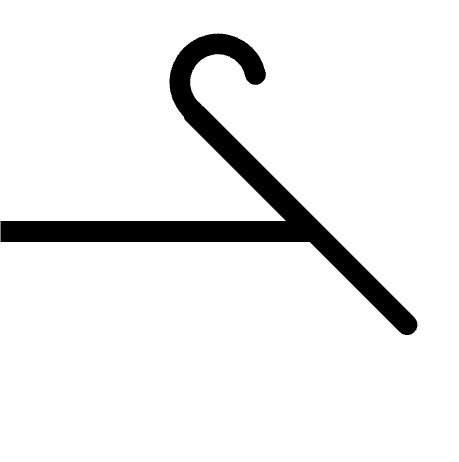
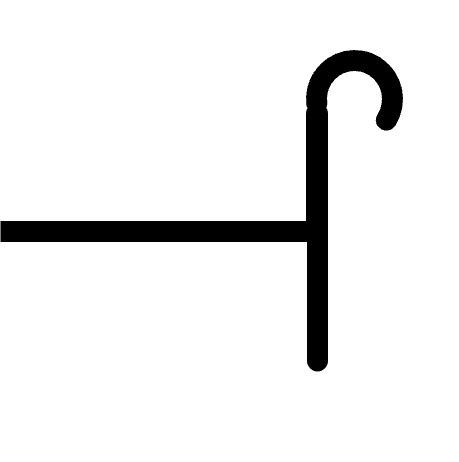
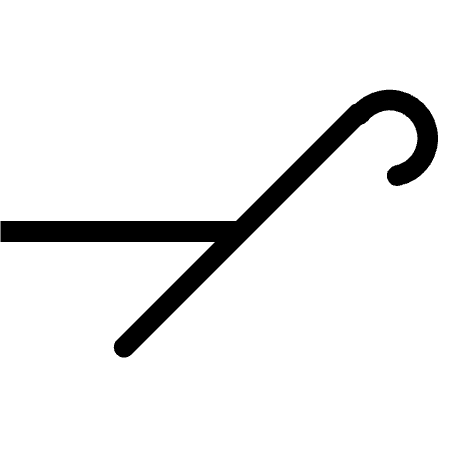
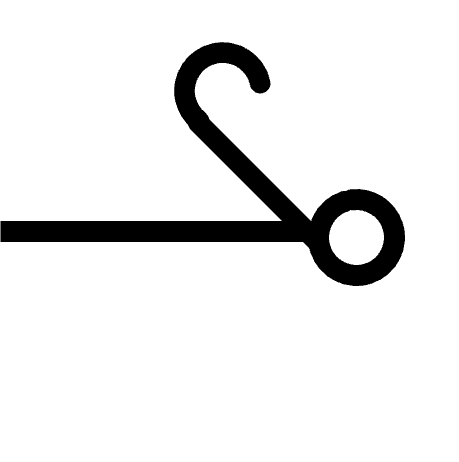
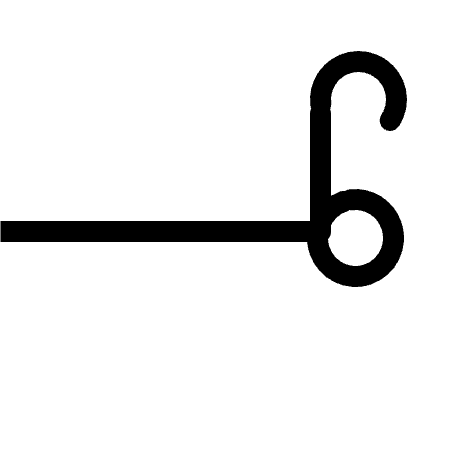
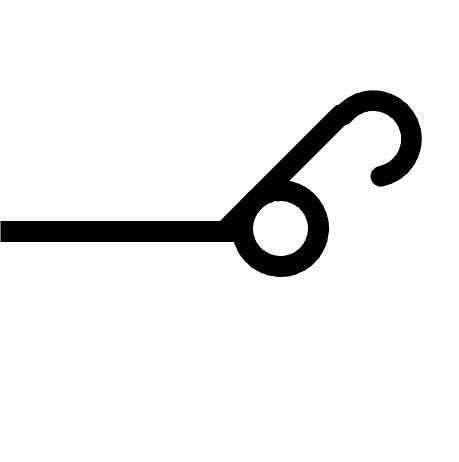
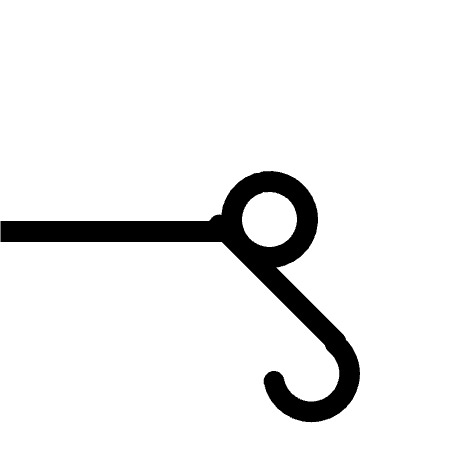
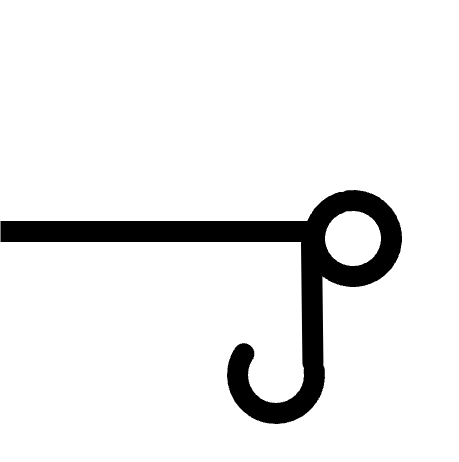
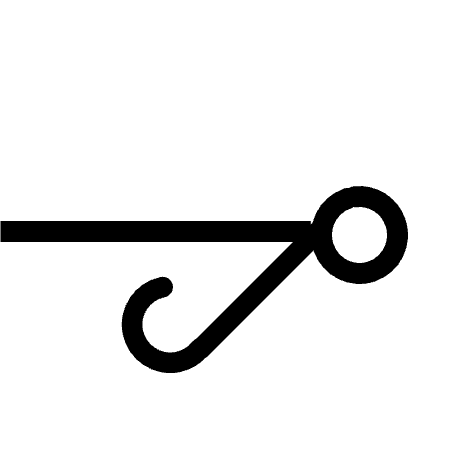
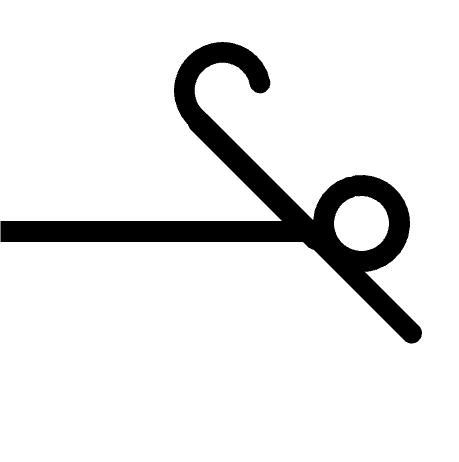
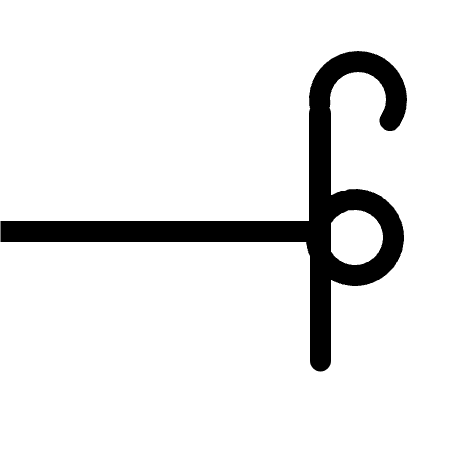
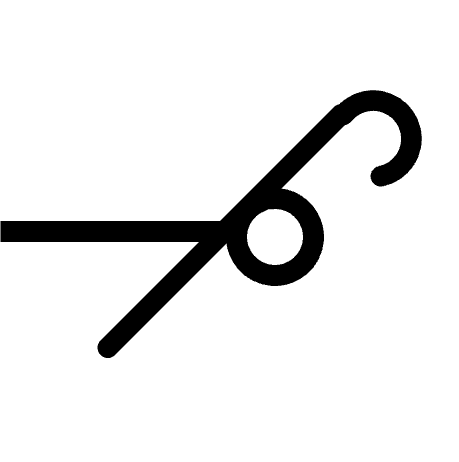
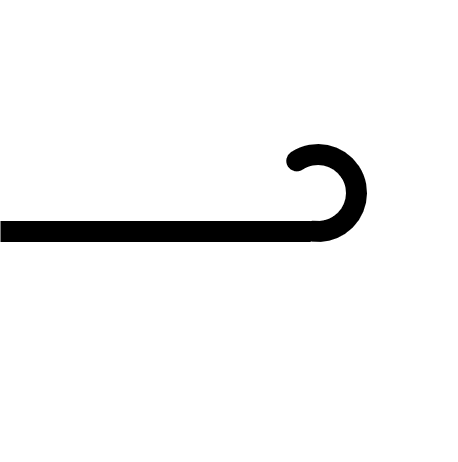
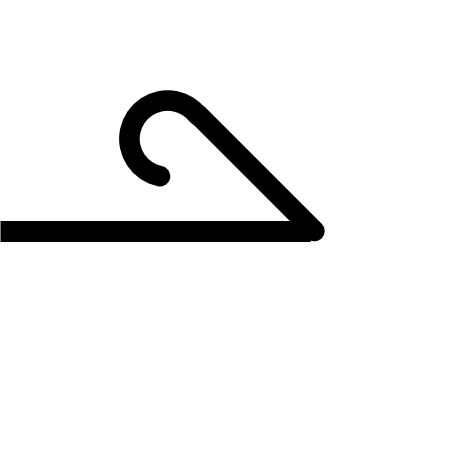
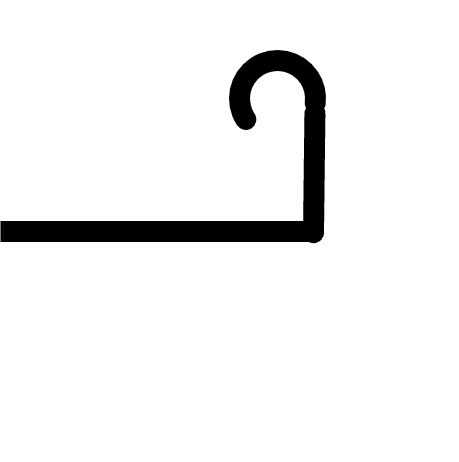
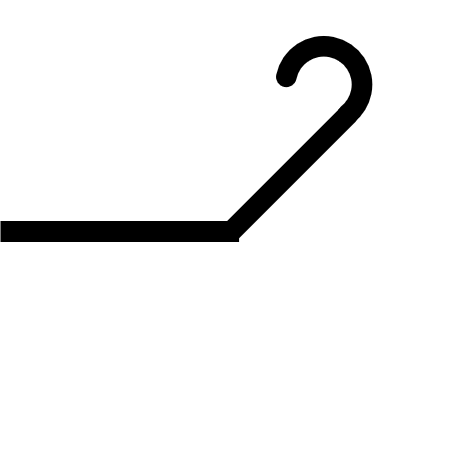
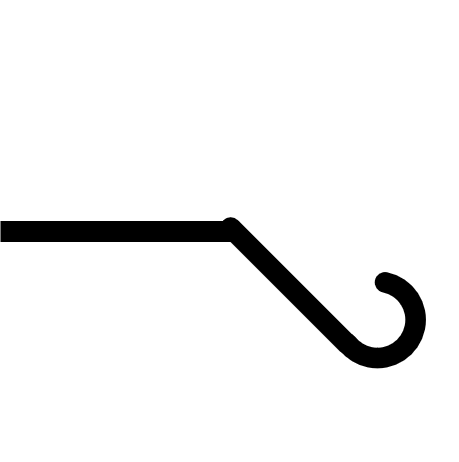
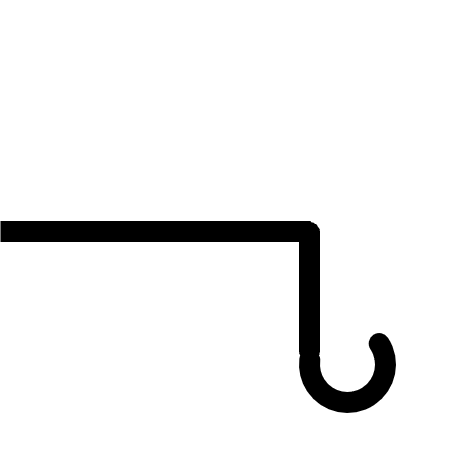
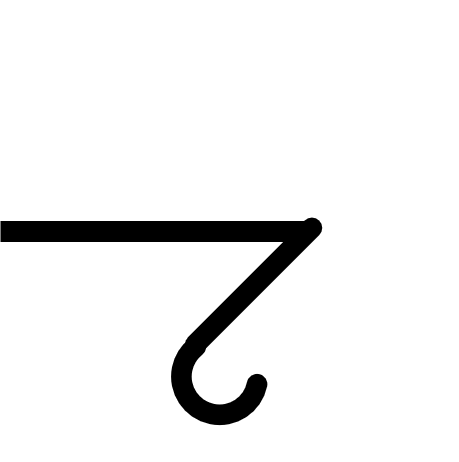
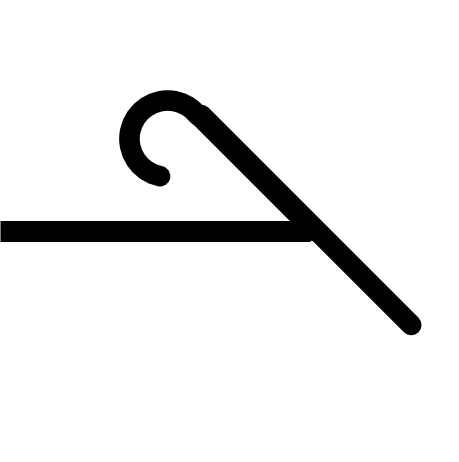
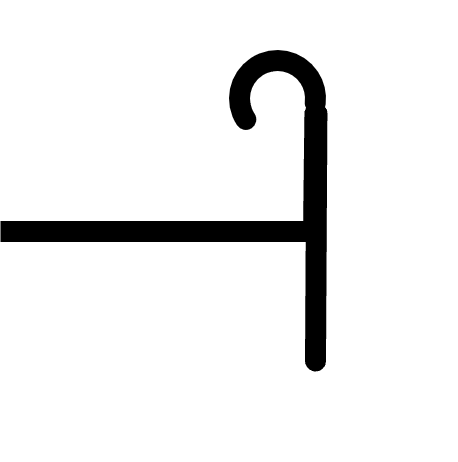
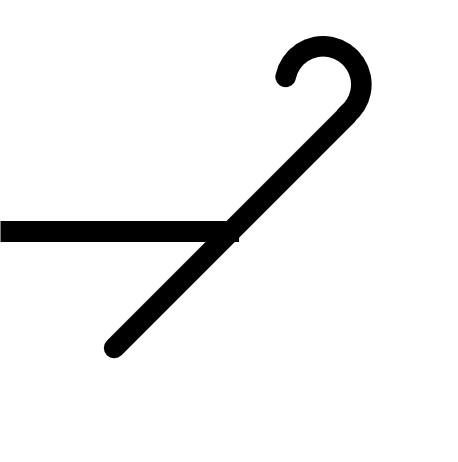
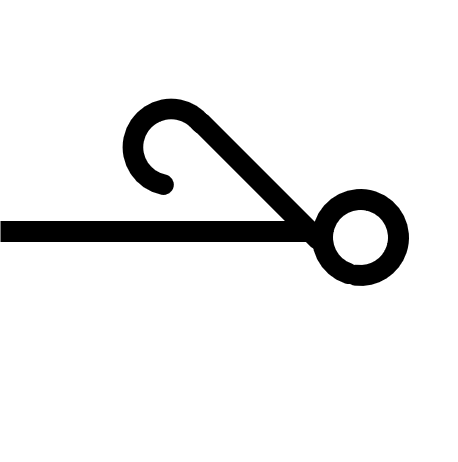
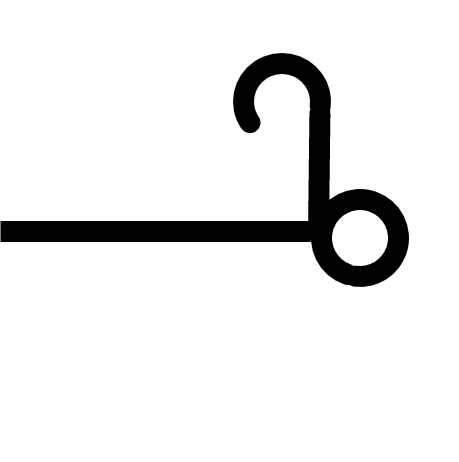
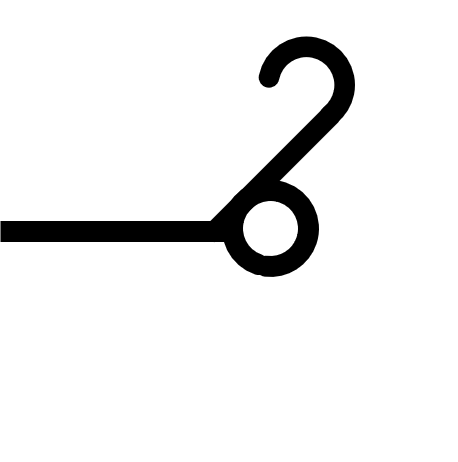
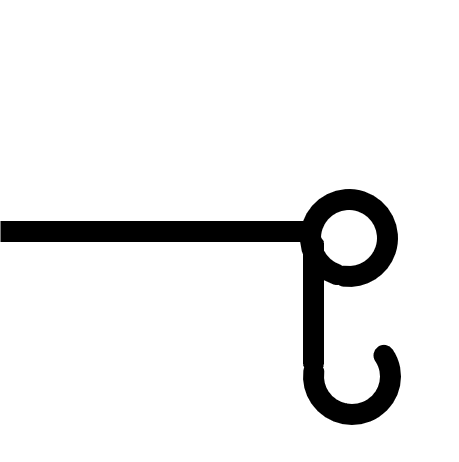
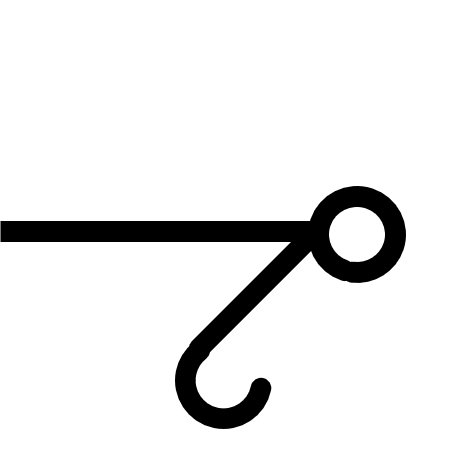
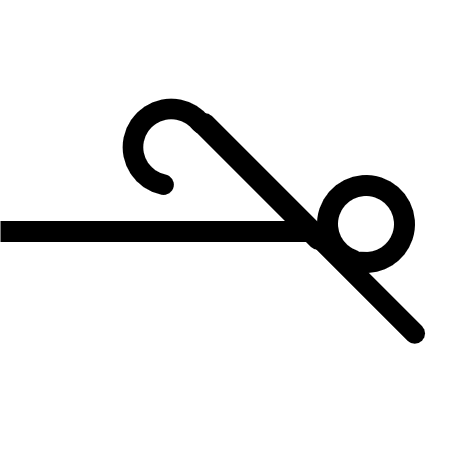
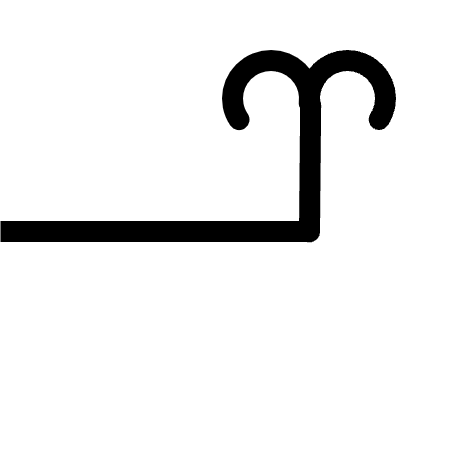
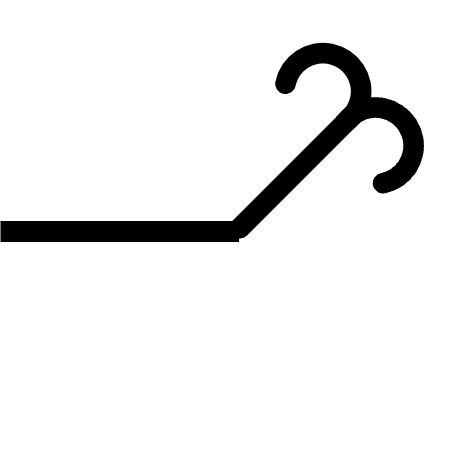
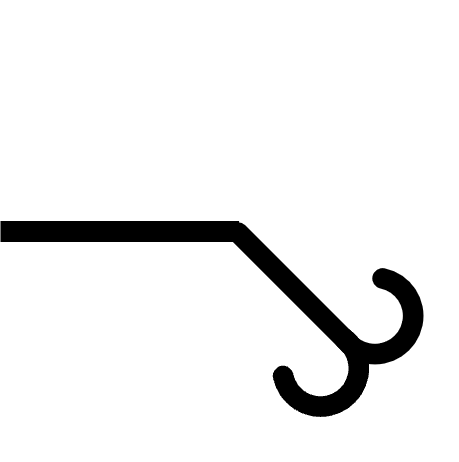
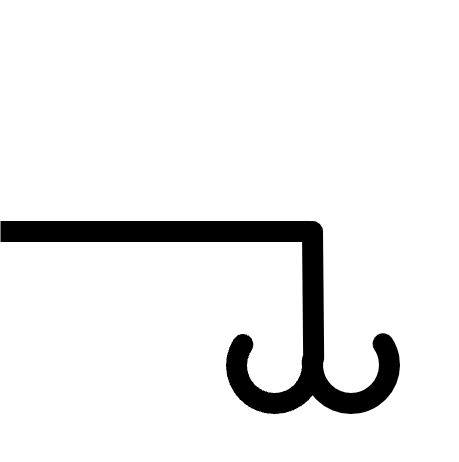
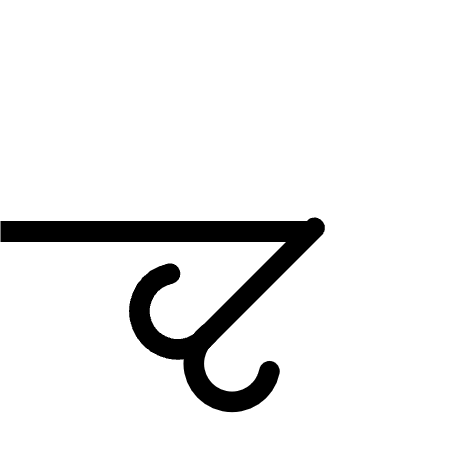
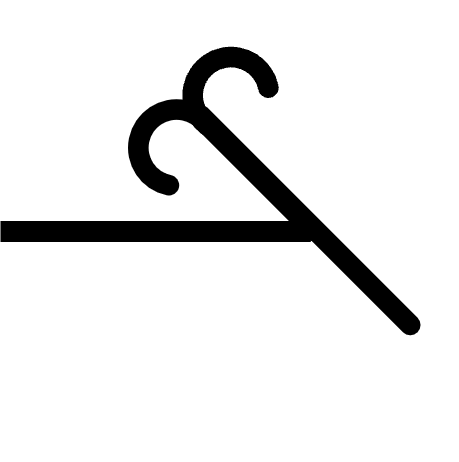
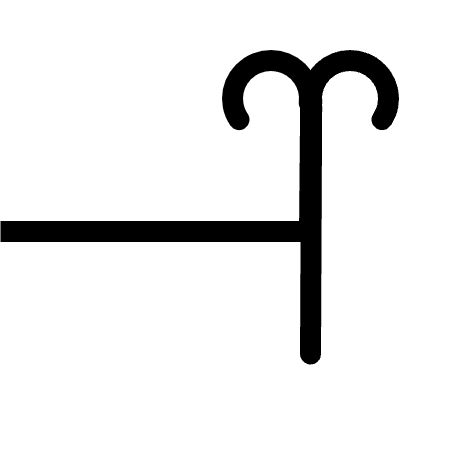
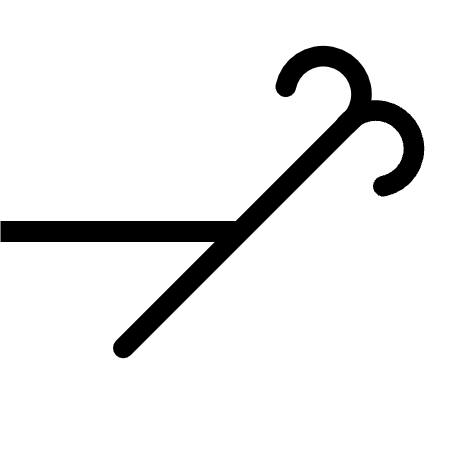
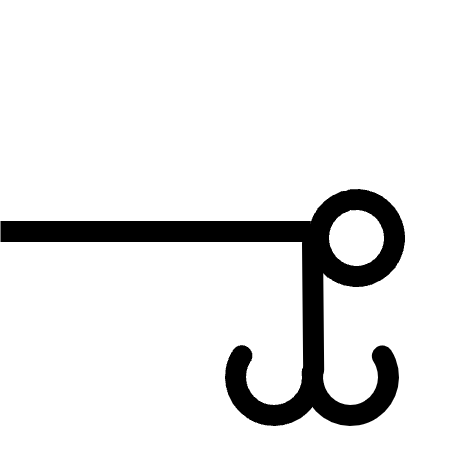
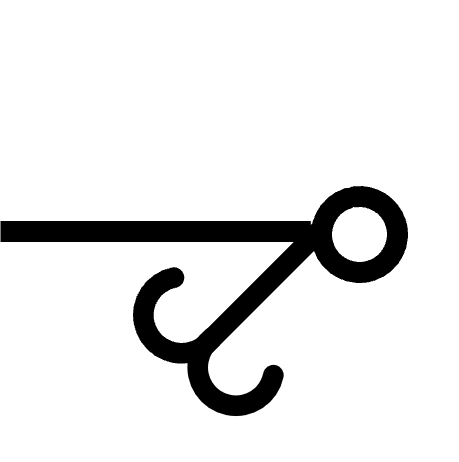
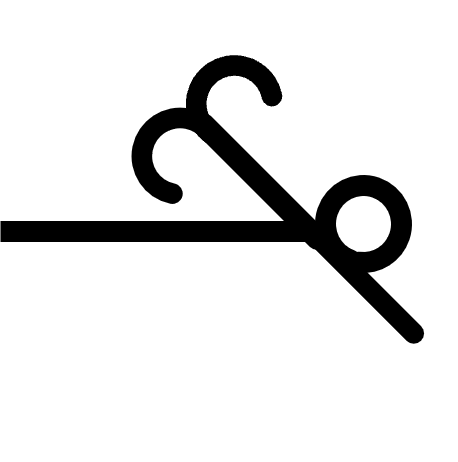
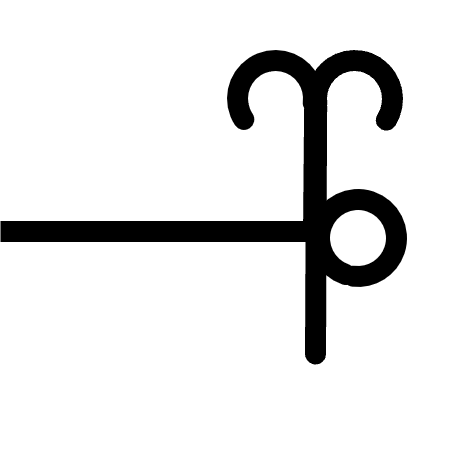
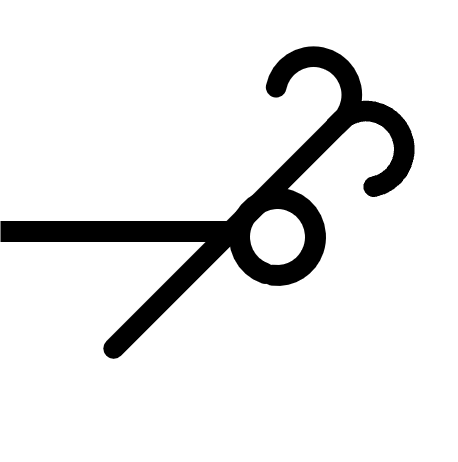
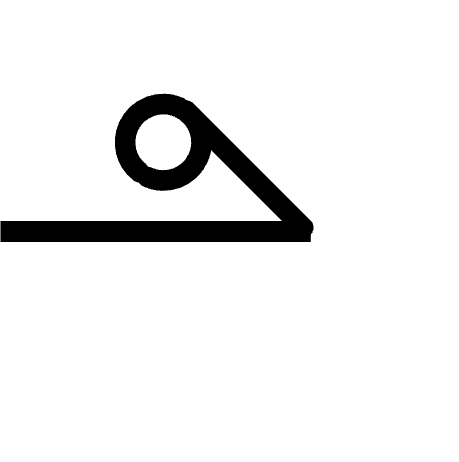
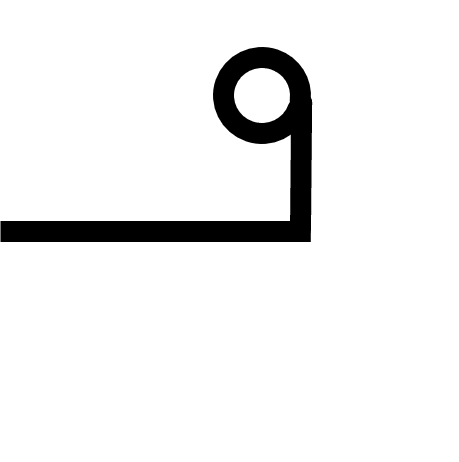
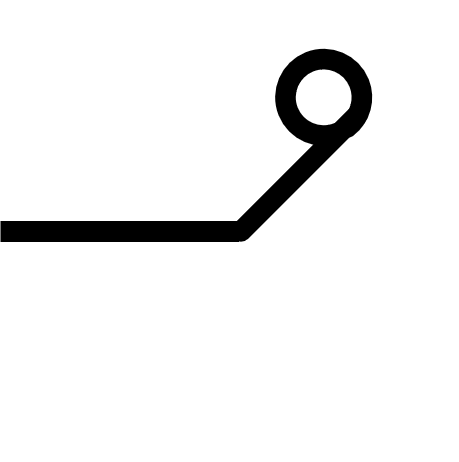
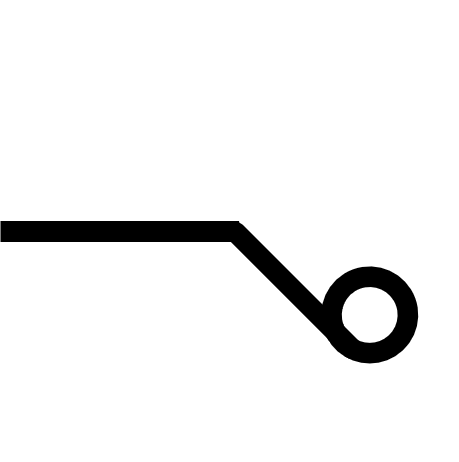
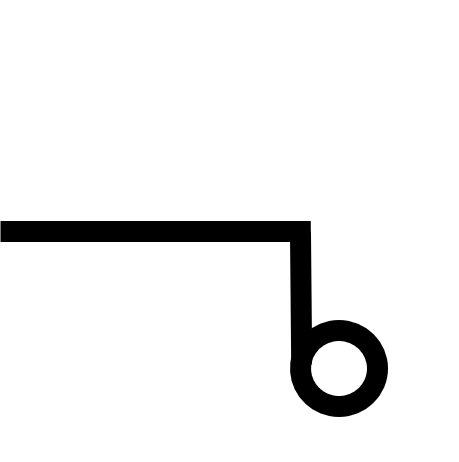
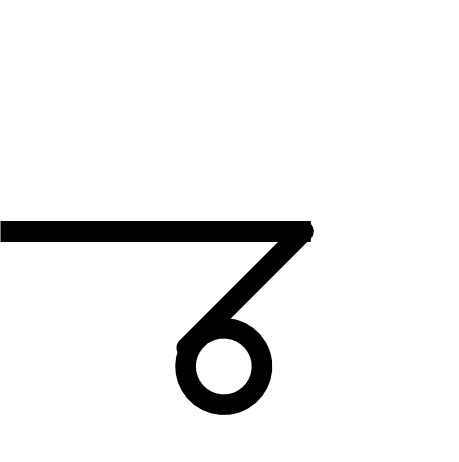
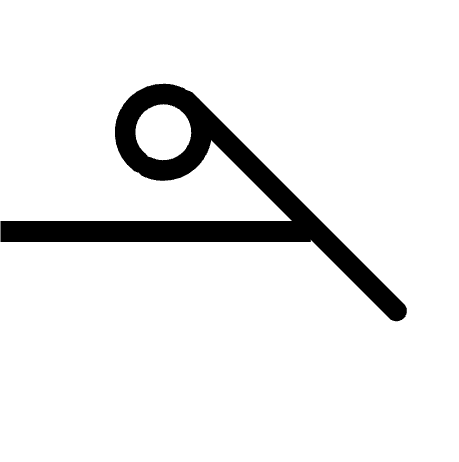
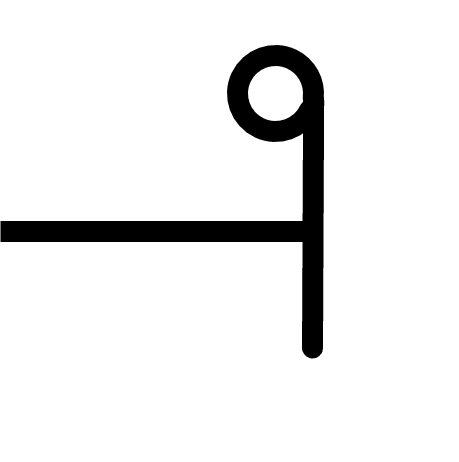
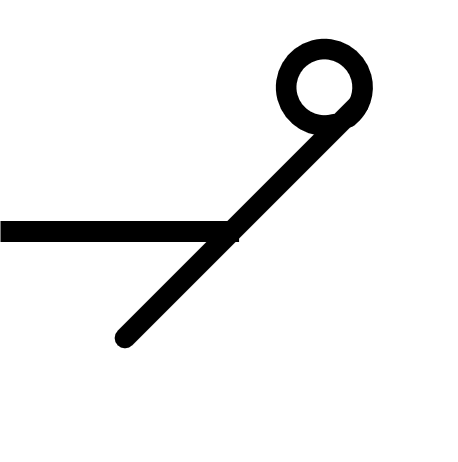
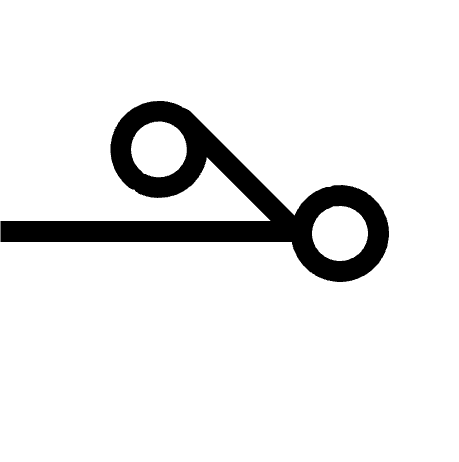
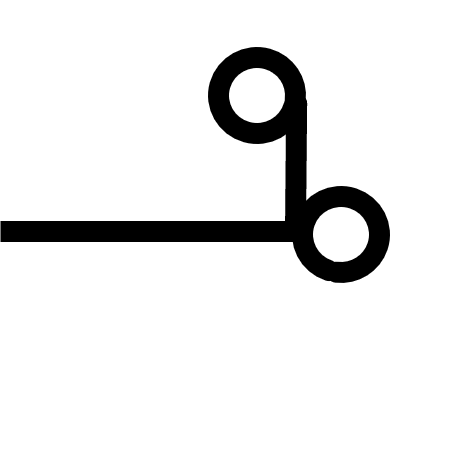
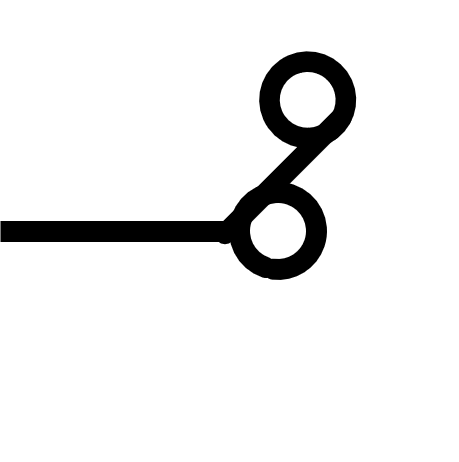
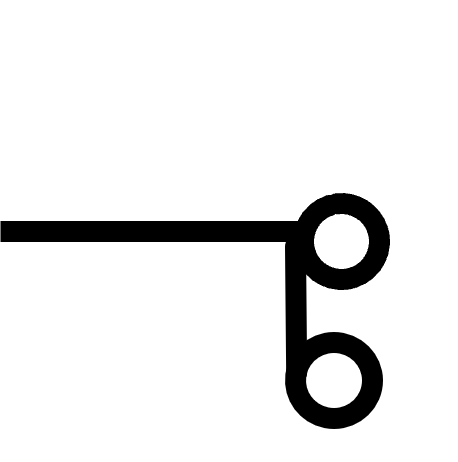
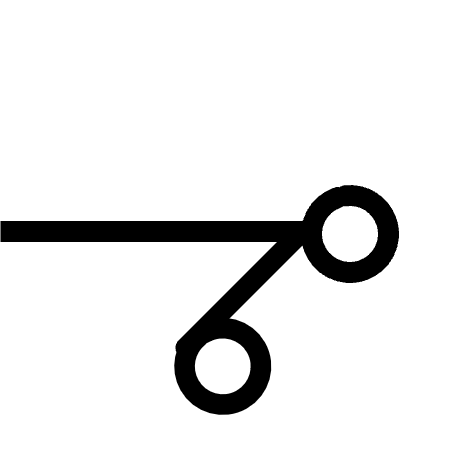
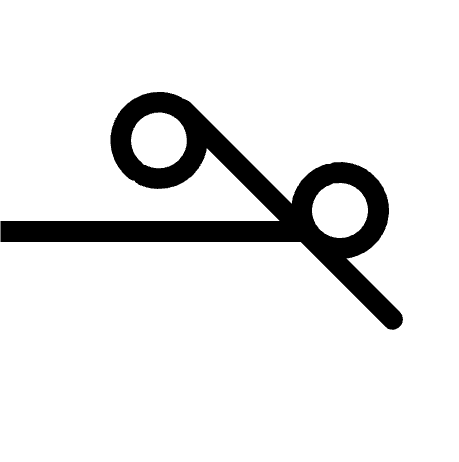
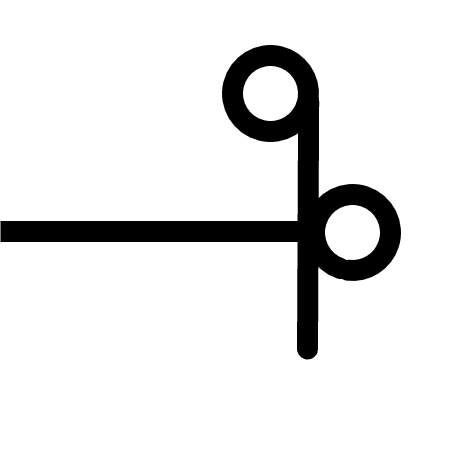
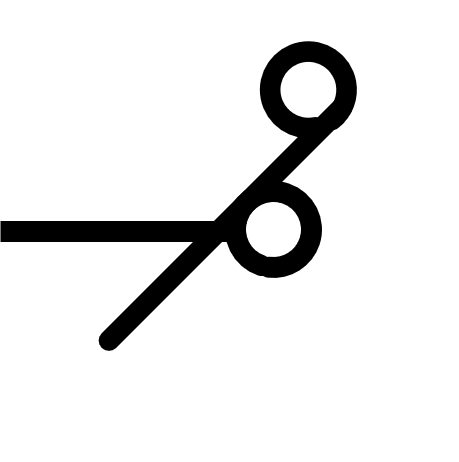
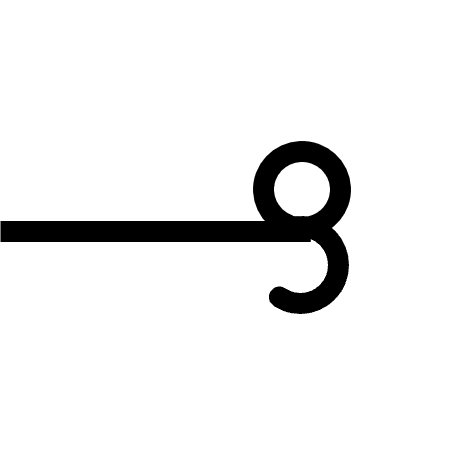
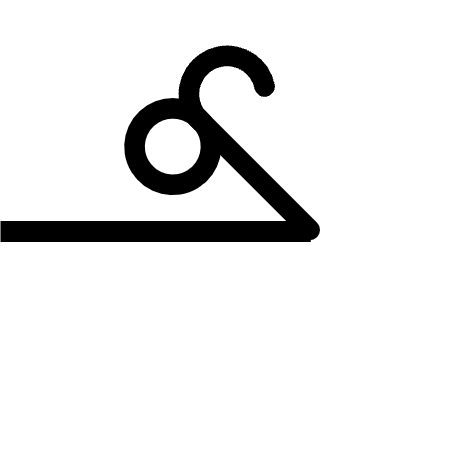
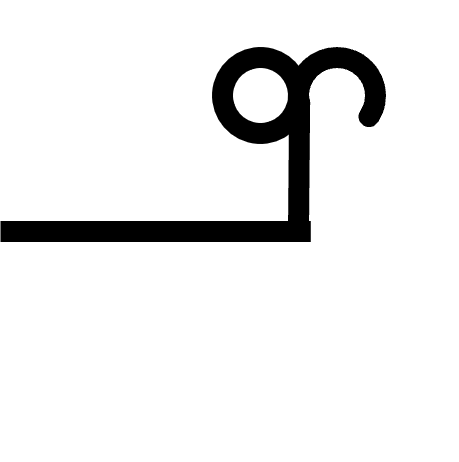
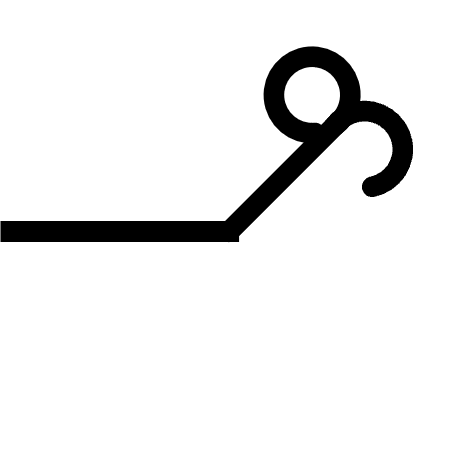
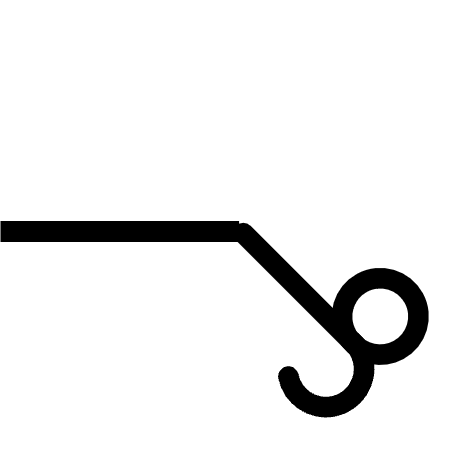
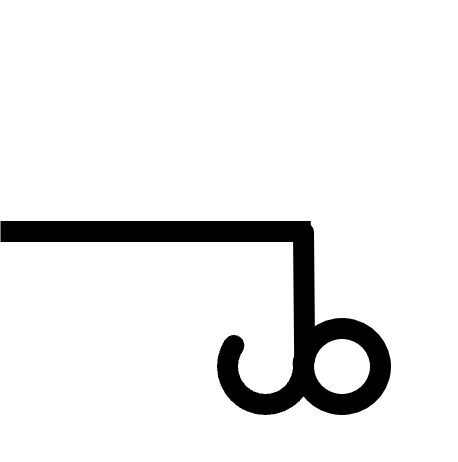
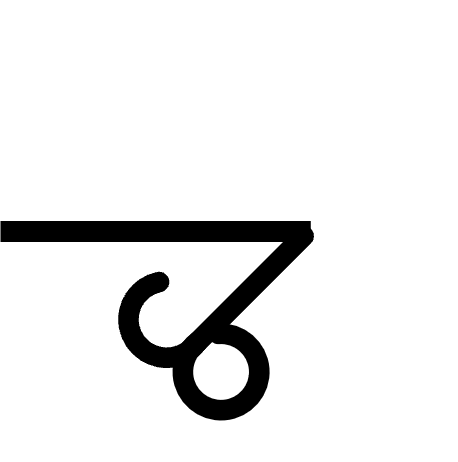
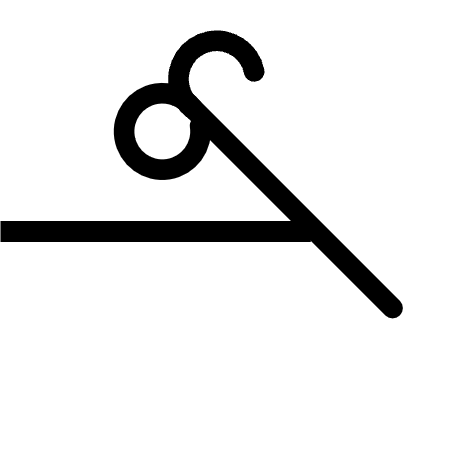
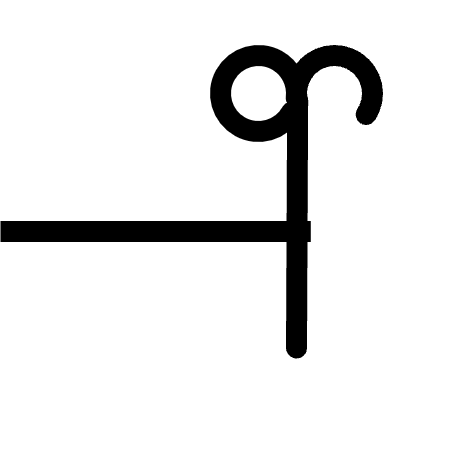
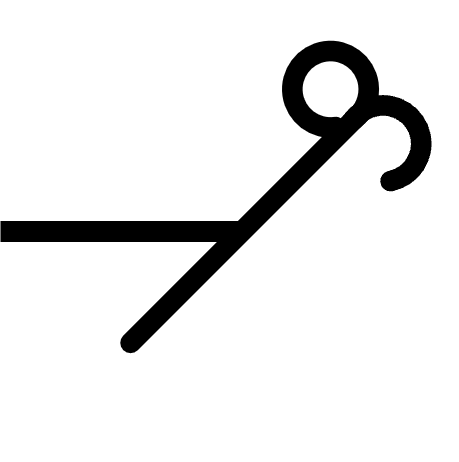
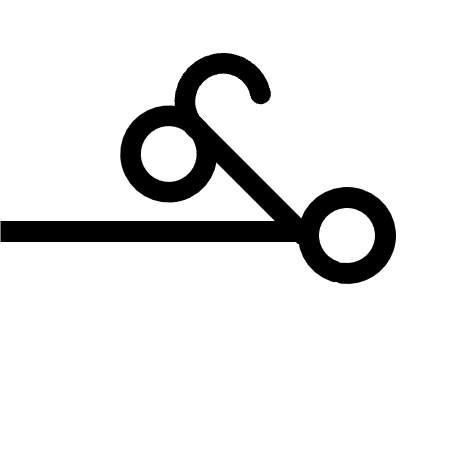
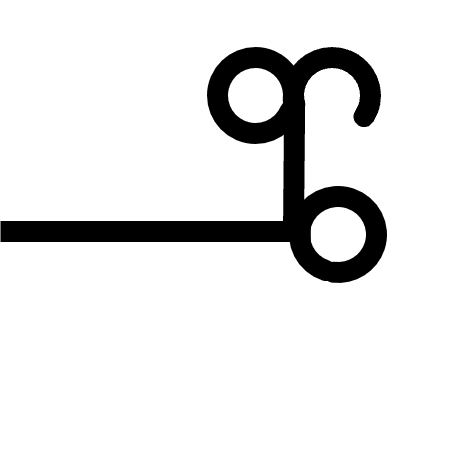
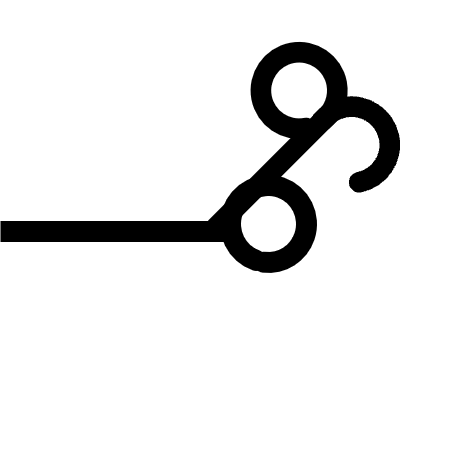
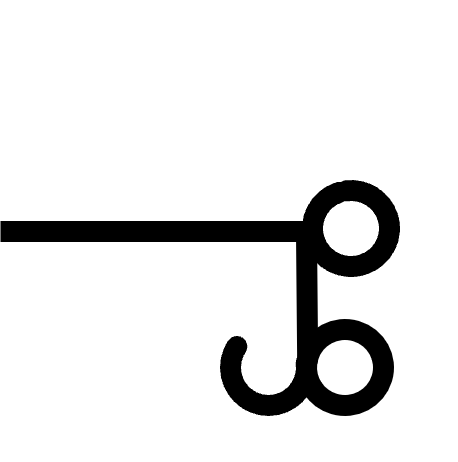
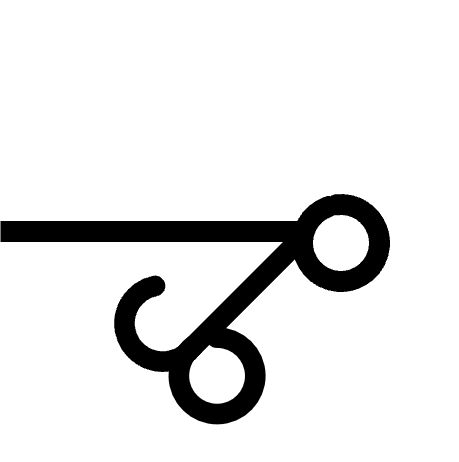
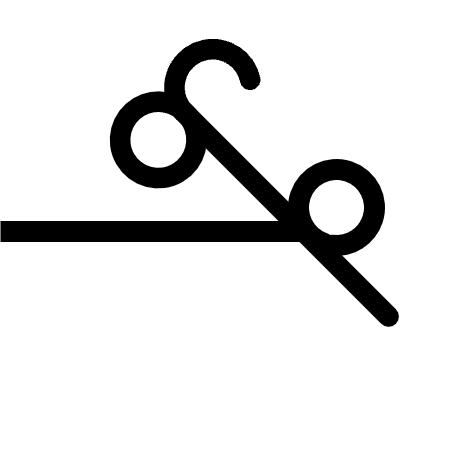
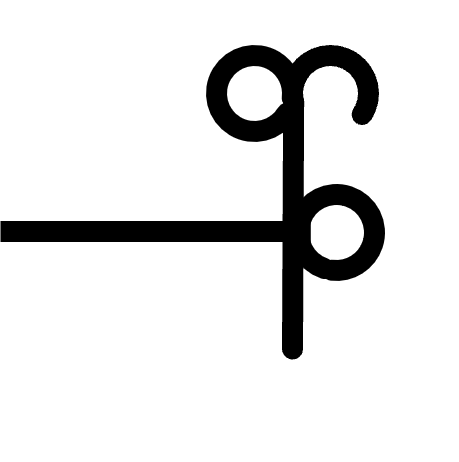
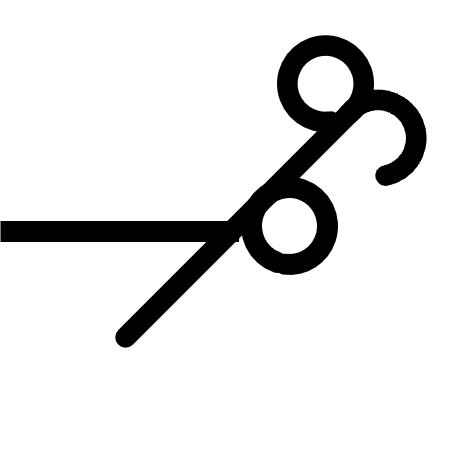
This page shows the Components used to create the real characters and (further below) summarizes the rules for their construction, as described on page 387-388. Only the left and right ends of the characters are shown here; for the forty genera, see the General Scheme.
Rules for Constructing the Real Characters
- Genera are formed by modifying a horizontal line.
- Differences are formed by bending the left side of the line.
- Species 1-9 are formed by bending the right side of the line.
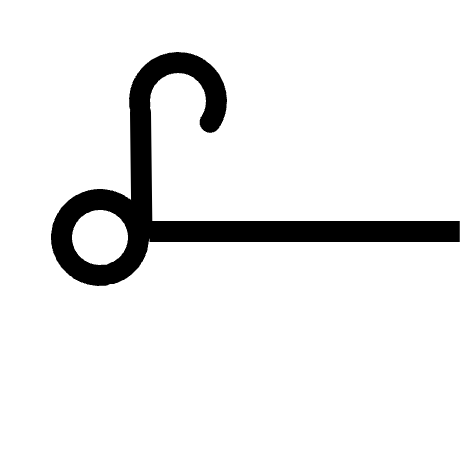
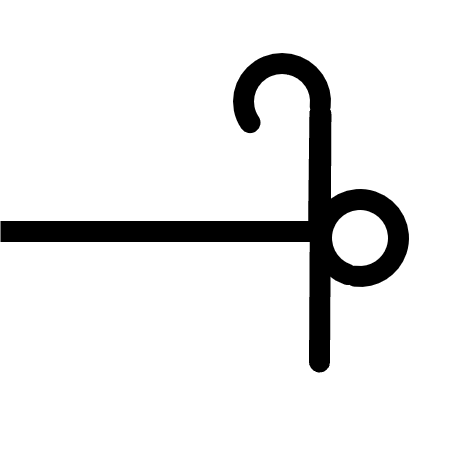
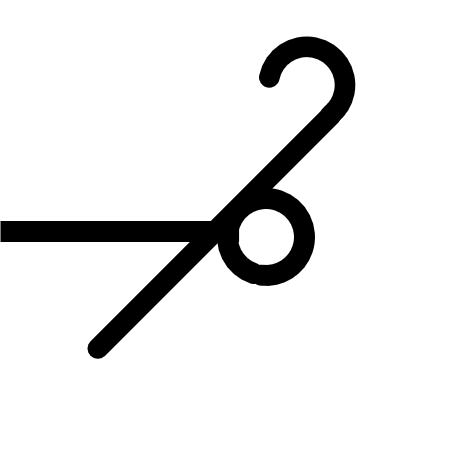
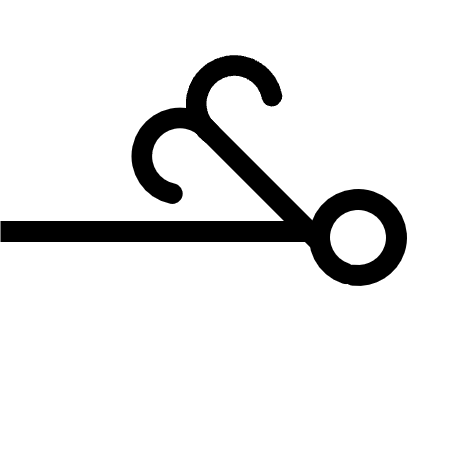
- Species 10-18 are formed by adding an extra vertical line to the genus modification and also by bending the right side of the line.
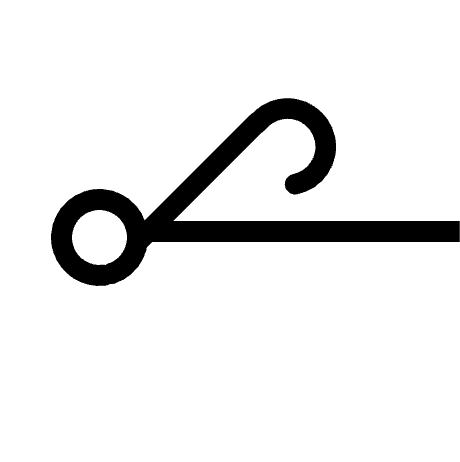
- Opposites are indicated by adding a loop to the left end of the line, including when it is bent.
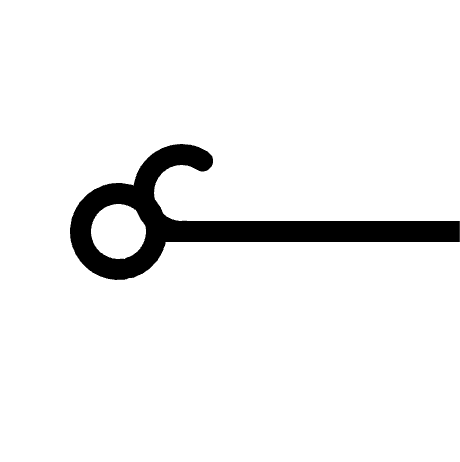
- Affinities are indicated by adding a loop to the right end of the line, including when it is bent.
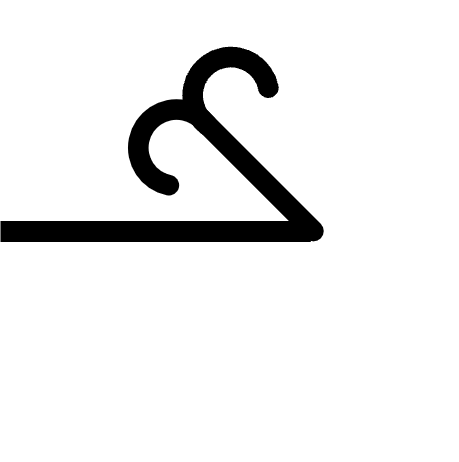
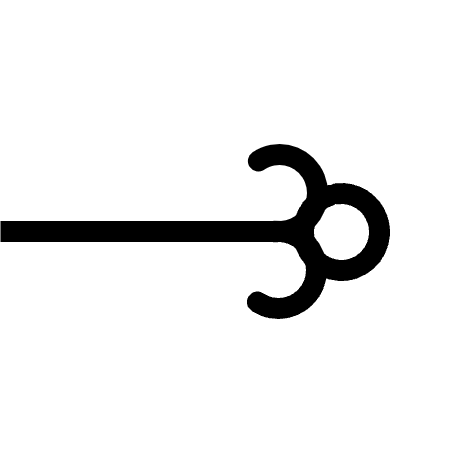
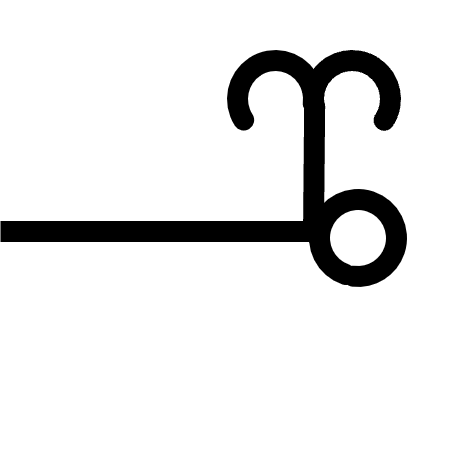
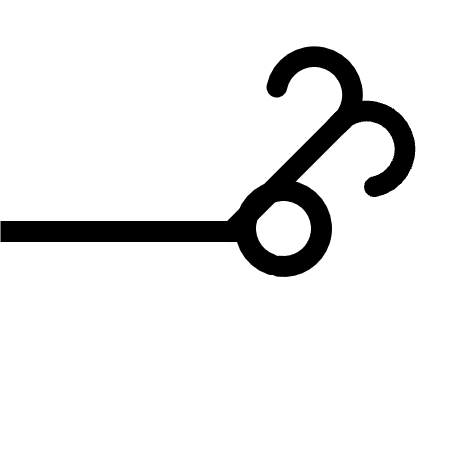
- Adjectives are indicated by adding a hook to the right end of the line, which always emerges from the end of the line in an anticlockwise fashion.
- Adverbs are indicated by adding a loop to the right end of the line, by transforming the hook used for adjectives into a circle.
- An adverb affinity of the first species will thus have two loops at the right end of the line.
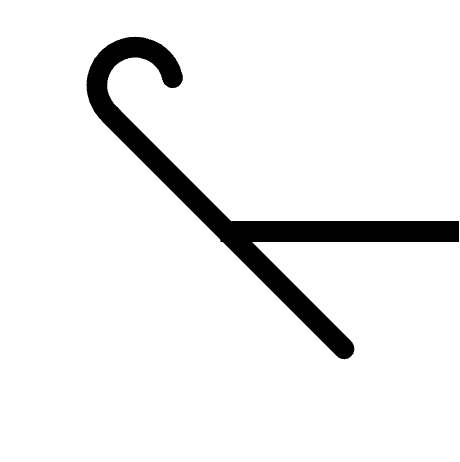
- The active form is indicated by adding a hook to the left end of the line, which always emerges from the end of the line in a counterclockwise fashion.
- The passive form is indicated by adding a loop to the left end of the line, by transforming the hook used for the active form into a circle.
- A passive opposition of the first difference will thus have two loops at the left end of the line.
- Abstracts are indicated by adding a hook to the left end of the line, which always emerges from the end of the line in a clockwise fashion.
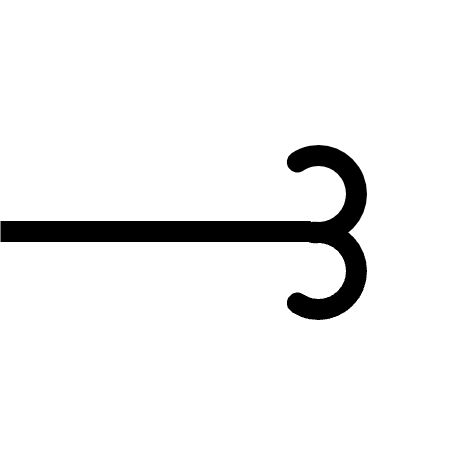
- The plural is indicated by adding a hook to the right end of the line, which always emerges from the end of the line in a clockwise fashion.
- Double opposites are indicated by adding the transcendental mark for excess or defect above or below the character (see pages
389
and 391).
This gives 49 possible forms of genera, and 120 forms each for the left and right side of each character. Finally, Wilkins also states that Standard Arabic numerals are used to present numbers. He also describes punctuation (pages 392-394).
© All rights reserved, May 2026.